Flavius Cresconius Corippus
Last great Latin epic poet of antiquity, born in North Africa, author of the 8-book epic Iohannis, the primary eyewitness poetic chronicle of the Moorish rebellions and Byzantine campaigns in Tunisia.
Start typing to search worldwide archives and community tributes
Filterable archive covering centuries of intellectual, artistic, and moral contributions to the human story.
Last great Latin epic poet of antiquity, born in North Africa, author of the 8-book epic Iohannis, the primary eyewitness poetic chronicle of the Moorish rebellions and Byzantine campaigns in Tunisia.
Hellenistic Jewish historian of Cyrene who composed the monumental five-volume Greek history of the Maccabean Revolt against the Seleucid Empire, the primary source for the biblical Second Book of Maccabees.
5th-century Greek epic poet from Akhmim, Upper Egypt, who authored the Dionysiacaโat 48 books the longest surviving poem from classical antiquityโand a hexameter paraphrase of the Gospel of John.
Alexandrian scholar and chief librarian of the Great Library of Alexandria, author of the Argonautica, the only surviving Hellenistic epic poem, which profoundly influenced Virgil's Aeneid.
14th-century Moroccan chronicler whose work Rawd al-Qirtas is the foundational historical narrative for the Idrisid, Almoravid, Almohad, and Marinid dynasties and the city of Fez.
12th-century Algerian historian and qadi born in the Hammadid capital of Beni Hammad, author of the indispensable primary chronicle on the Fatimid Caliphate in North Africa.
Eminent native Egyptian priest and historian from Sebennytos who wrote the landmark 'Aegyptiaca' (History of Egypt) in Greek for King Ptolemy II, establishing the chronological framework of thirty dynasties that remains foundational to modern Egyptology.
Preeminent Hellenistic poet, scholar, and grammarian from Cyrene whose revolutionary aesthetics favored concise, polished verse and whose monumental Pinakes created the world's first comprehensive library catalog.
Early African Christian bishop and historian whose vivid Latin chronicle 'Historia persecutionis Africanae provinciae' provides the primary historical eyewitness account of Vandal rule in North Africa.
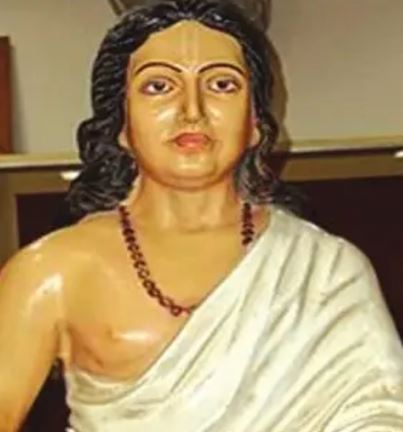
Eighth-century Indian Sanskrit dramatist and poet, regarded as the peer of Kalidasa, celebrated for his profound mastery of pathos (karuna rasa) in his tragic masterpiece 'Uttararamacarita'.
One of the earliest and most celebrated playwrights in Sanskrit literature (c. 2ndโ3rd Century CE), whose thirteen playsโfeared lost for centuries until rediscovered in Kerala in 1912โinclude the drama 'Svapnavasavadatta'.
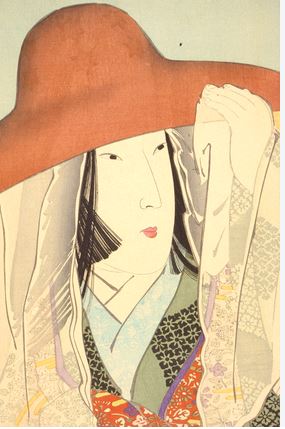
Heian-period Japanese court lady, poet, and author (c. 966โ1017) whose masterpiece 'The Pillow Book' (Makura no Soshi) founded the zuihitsu ('following the brush') genre of personal essays and witty observations.
Universally acknowledged as the greatest woman poet in Chinese history (1084โc. 1155), whose exquisitely crafted Ci lyric poetry evolved from radiant youthful romance into devastating meditations on widowhood and exile.
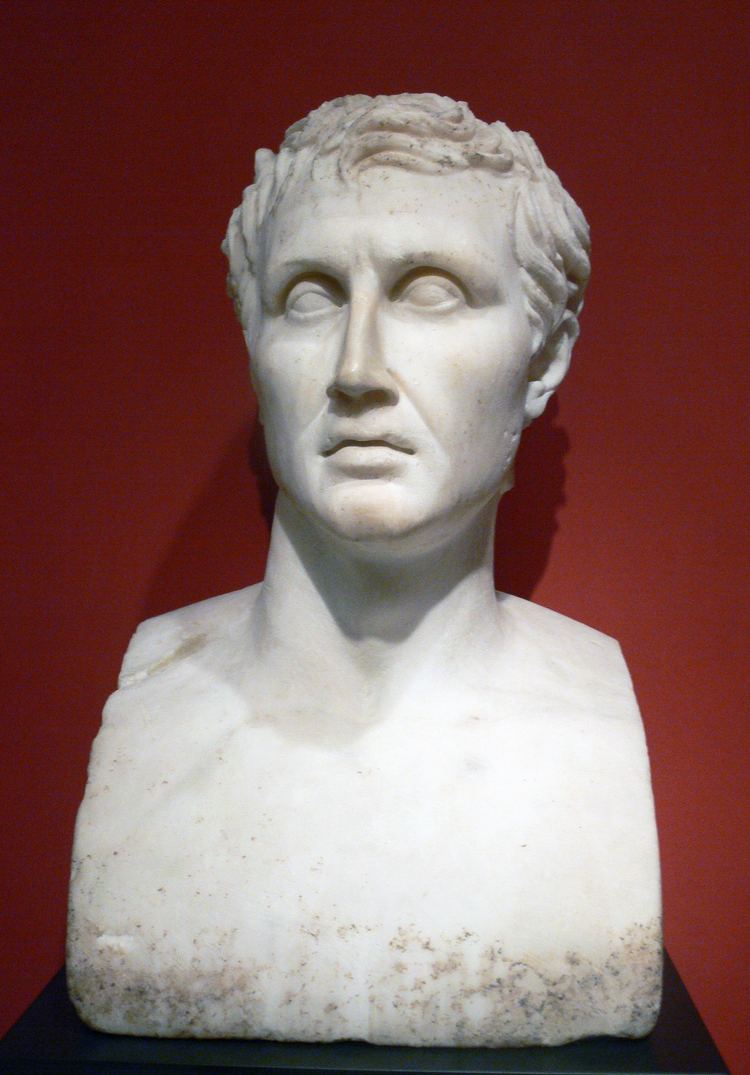
Roman poet and philosopher whose epic didactic poem De Rerum Natura (On the Nature of Things) expounded Epicurean atomism and liberated humans from superstitious dread.
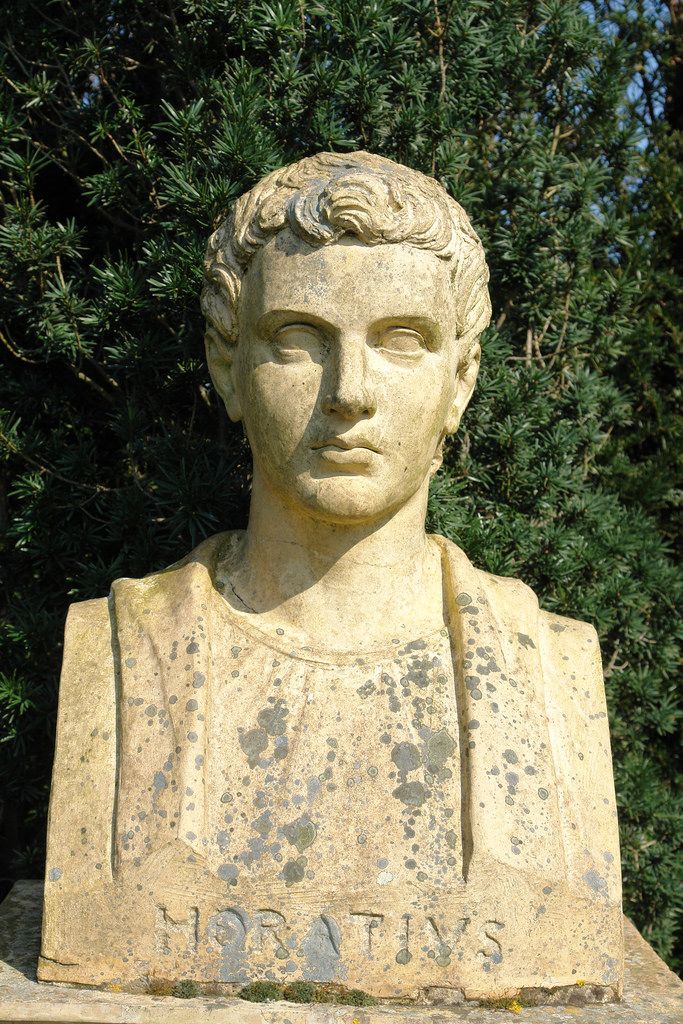
Supreme Augustan lyric poet and satirist who coined 'carpe diem' and 'dulce et decorum est pro patria mori' across his Odes, Satires, and Ars Poetica.
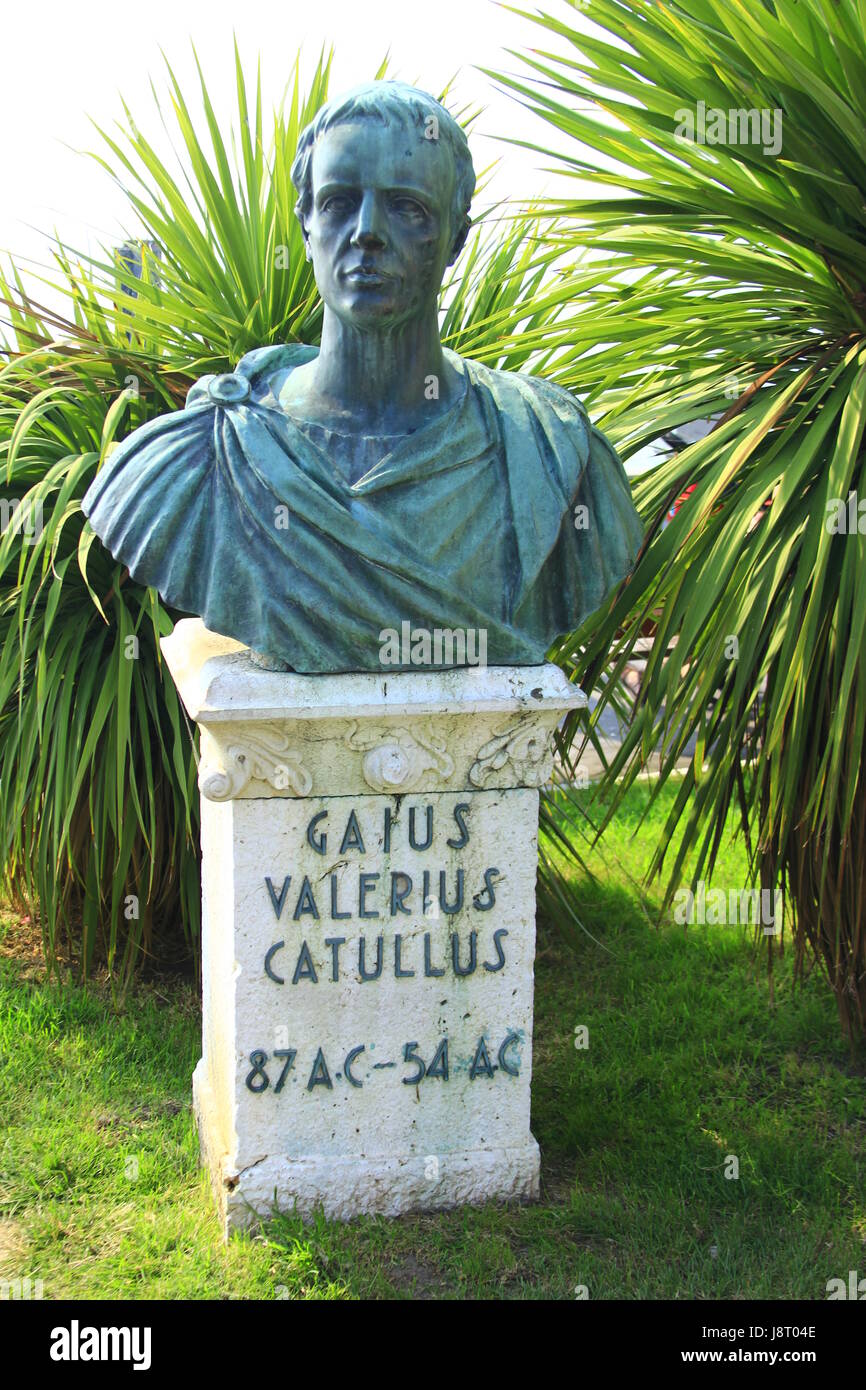
Passionate Roman neoteric poet whose intense lyrics of love, fury, and grief addressed to 'Lesbia' revolutionized Latin lyric poetry.
Supreme dramatist of Athenian New Comedy whose comedies of manners, stock characters, and romantic plots directly shaped Roman drama and modern sitcoms.
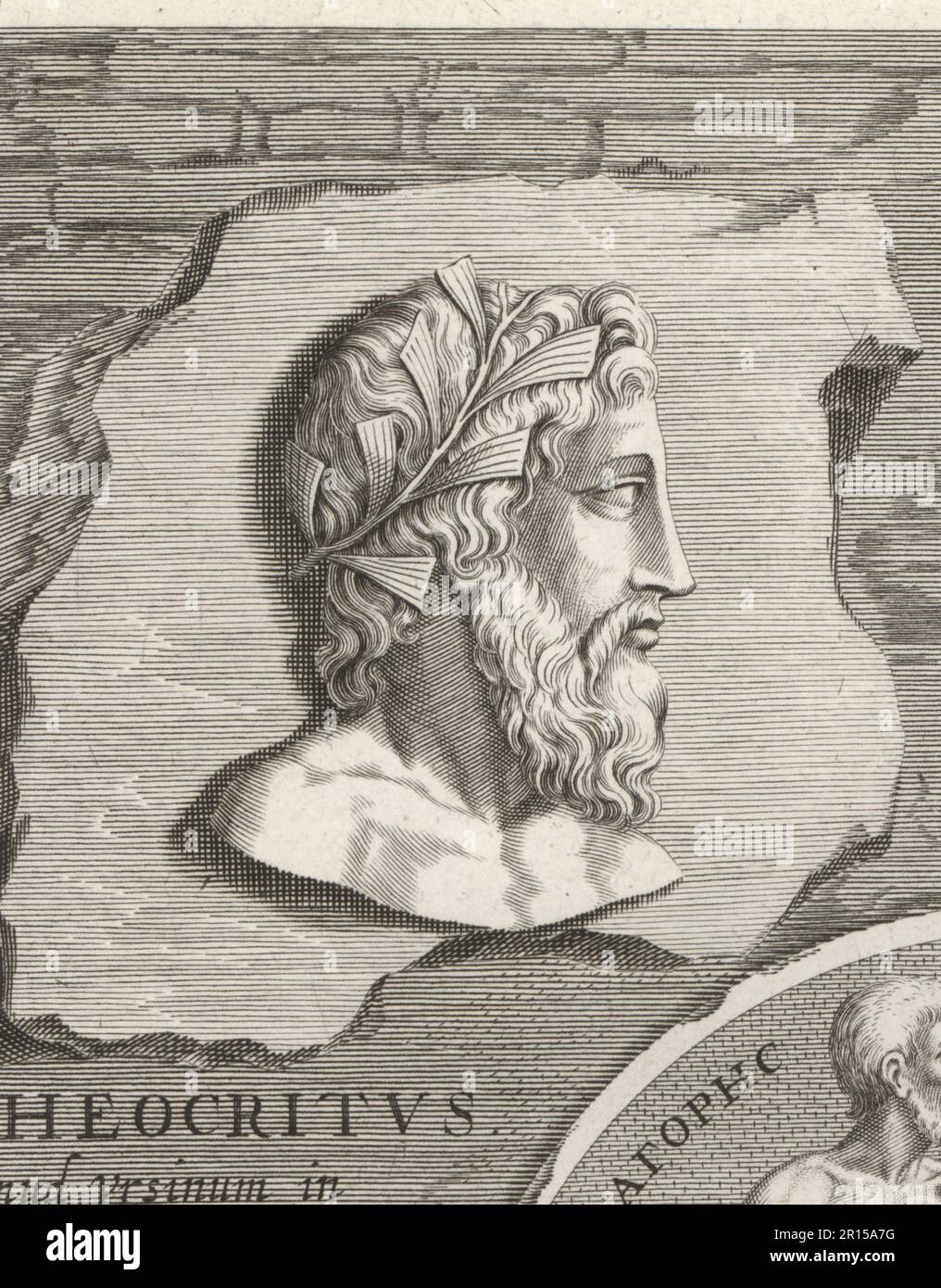
Hellenistic poet from Syracuse who created pastoral and bucolic poetry, immortalizing singing shepherds and rural idylls that inspired Virgil and the Western pastoral tradition.