Public Figures & Cultural Luminaries
Filterable archive covering centuries of intellectual, artistic, and moral contributions to the human story.
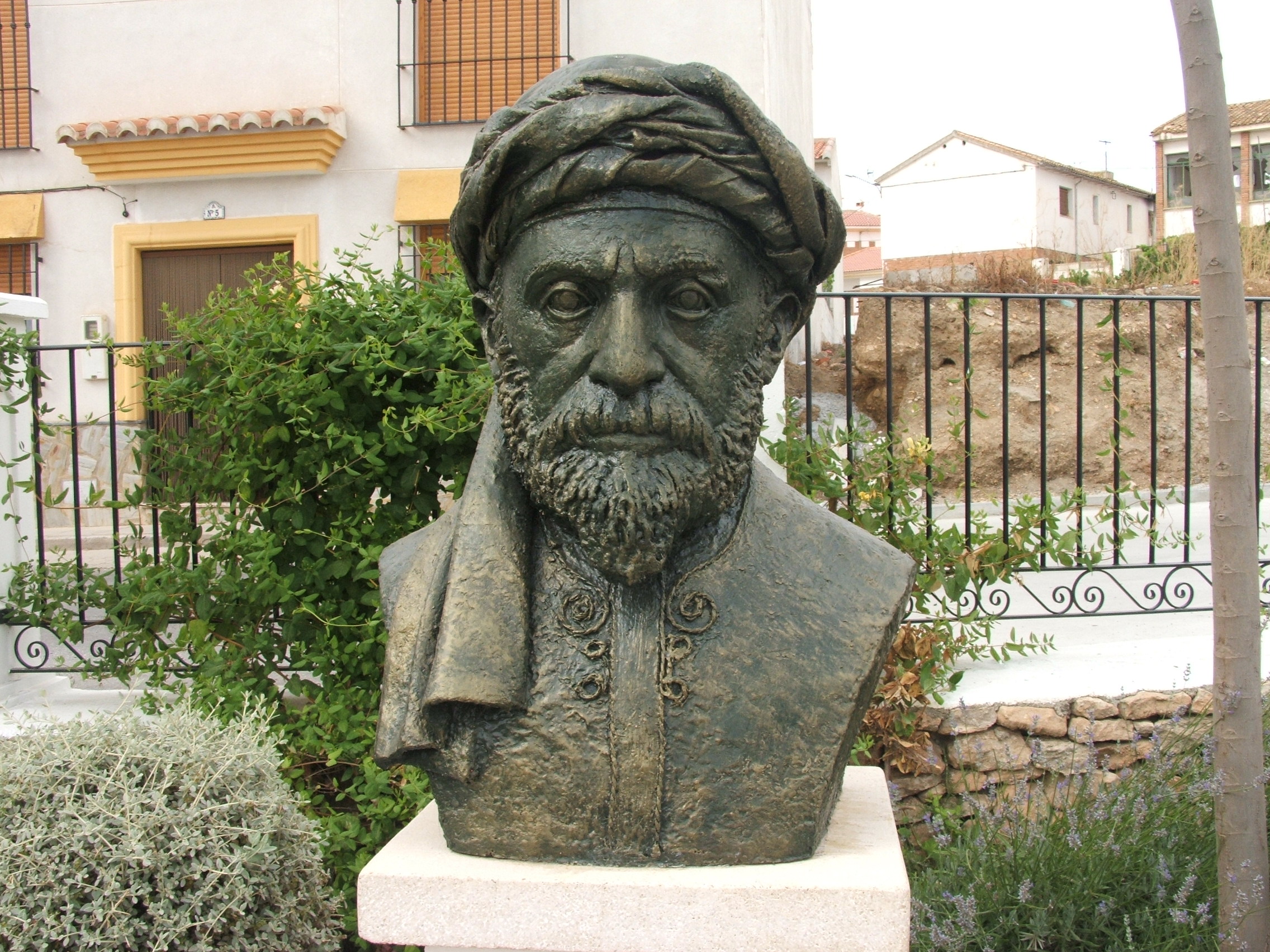
Abu al-Hasan al-Shushtari
 (أبو الحسن الششتري)
Celebrated Sufi mystical poet whose vernacular zajal and muwashshah songs bridged classical Andalusian mysticism with North African and Middle Eastern spiritual song.
Baha al-Din Zuhayr
 (بهاء الدين زهير)
Celebrated 13th-century Ayyubid court poet and chancellor known for his effortless, delicate lyricism and witty epigrams.
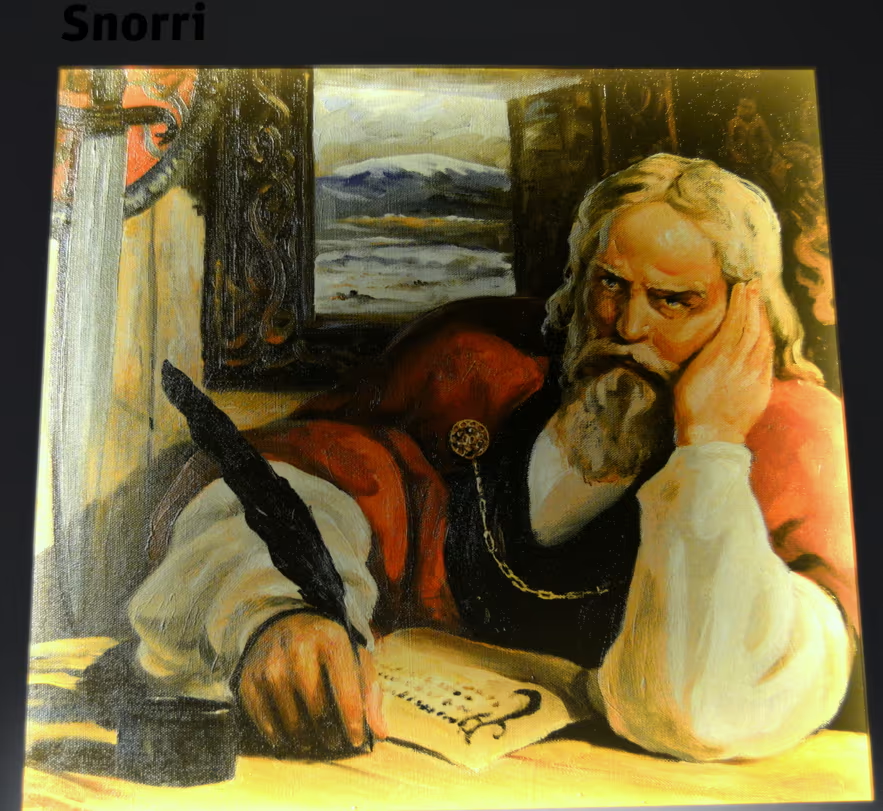
Snorri Sturluson
 (Snorri Sturluson)
Colossal medieval Icelandic historian, lawspeaker, and skald whose Prose Edda preserved Norse mythology and Heimskringla chronicled the epic history of Norwegian kings.
Baha al-Din ibn Shaddad
 (بهاء الدين بن شداد)
Distinguished jurist and close confidant of Saladin who authored the authoritative contemporary biography Al-Nawadir al-Sultaniyya.
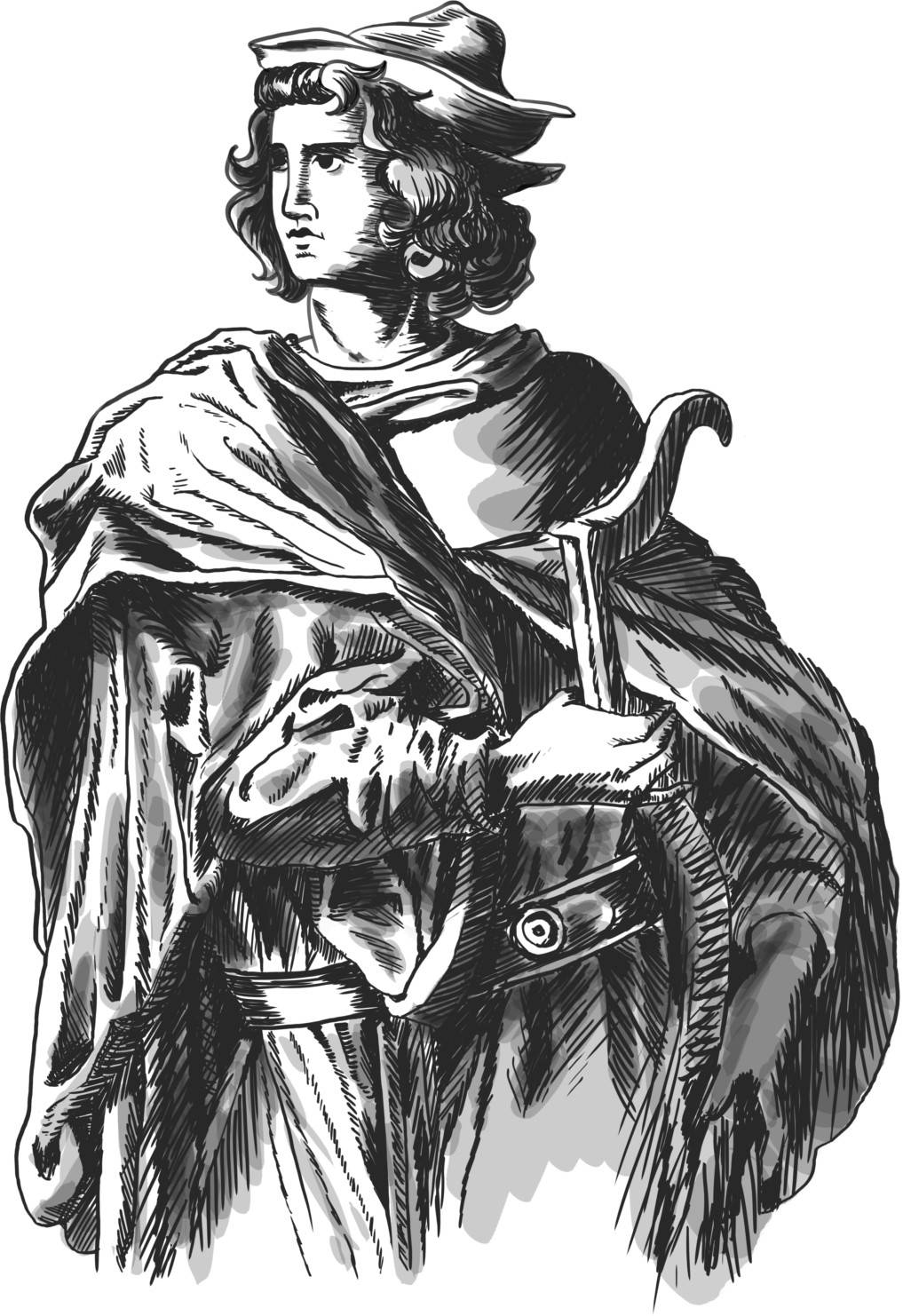
Walther von der Vogelweide
 (Walther von der Vogelweide)
Supreme Middle High German lyric poet and Minnesänger who elevated courtly love songs (Under der linden) and political Spruchdichtung across the courts of Europe.
Yaqut al-Hamawi
 (ياقوت الحموي)
Byzantine-born Muslim scholar and traveler who compiled the monumental geographical encyclopedia Mu'jam al-Buldan in Aleppo.
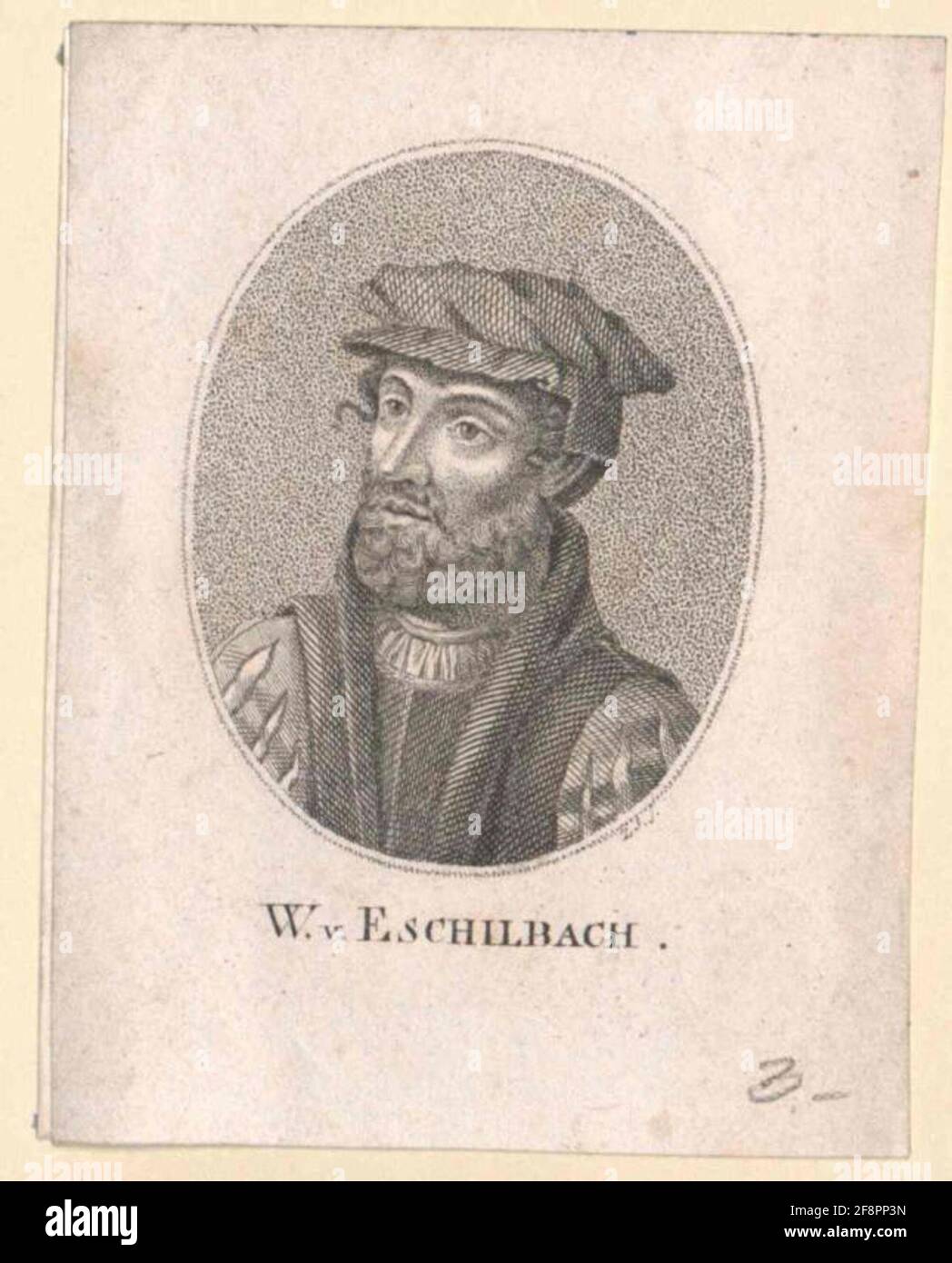
Wolfram von Eschenbach
 (Wolfram von Eschenbach)
Greatest Middle High German epic poet and knight whose masterpiece Parzival redefined the Arthurian Grail quest as a spiritual journey of empathy and faith.
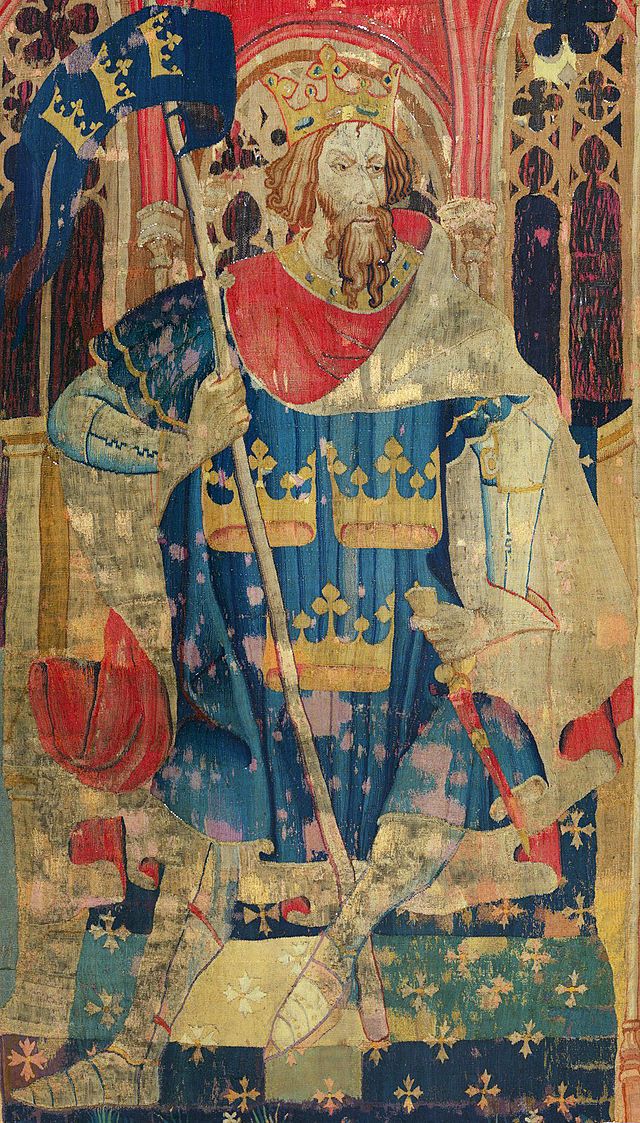
Chrétien de Troyes
 (Chrétien de Troyes)
Great French medieval trouvère and poet who originated the Arthurian courtly romance, inventing the Holy Grail quest and the tragic romance of Lancelot and Guinevere.
Usama ibn Munqidh
 (أسامة بن منقذ)
Syrian warrior-diplomat from Shayzar Castle whose delightful autobiography 'Kitab al-I'tibar' offers vivid eyewitness accounts of Crusader customs.
Nashwan al-Himyari
 (نشوان الحميري)
Eminent 12th-century Yemeni scholar, judge, and poet whose monumental multi-volume dictionary 'Shams al-Ulum' preserved South Arabian linguistics.
Ibn Asakir
(ابن عساكر)
Monumental 12th-century Damascene historian whose eighty-volume Tarikh Dimashq is the most comprehensive biographical history of Syria.
Abu Muhammad Abd al-Jabbar Ibn Hamdis
 (عبد الجبار بن أبي بكر بن حمديس الصقلي)
Celebrated Arab-Sicilian poet who fled Norman conquest and spent his golden creative years at the Hammadid court of Bejaïa, where he died in 1133.
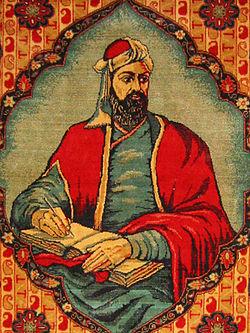
Sanai of Ghazna
 (سنایی غزنوی)
Trailblazing Persian poet of the Ghaznavid era who pioneered the mystical didactic masnavi form with his monumental 'Hadiqat al-Haqiqa'.
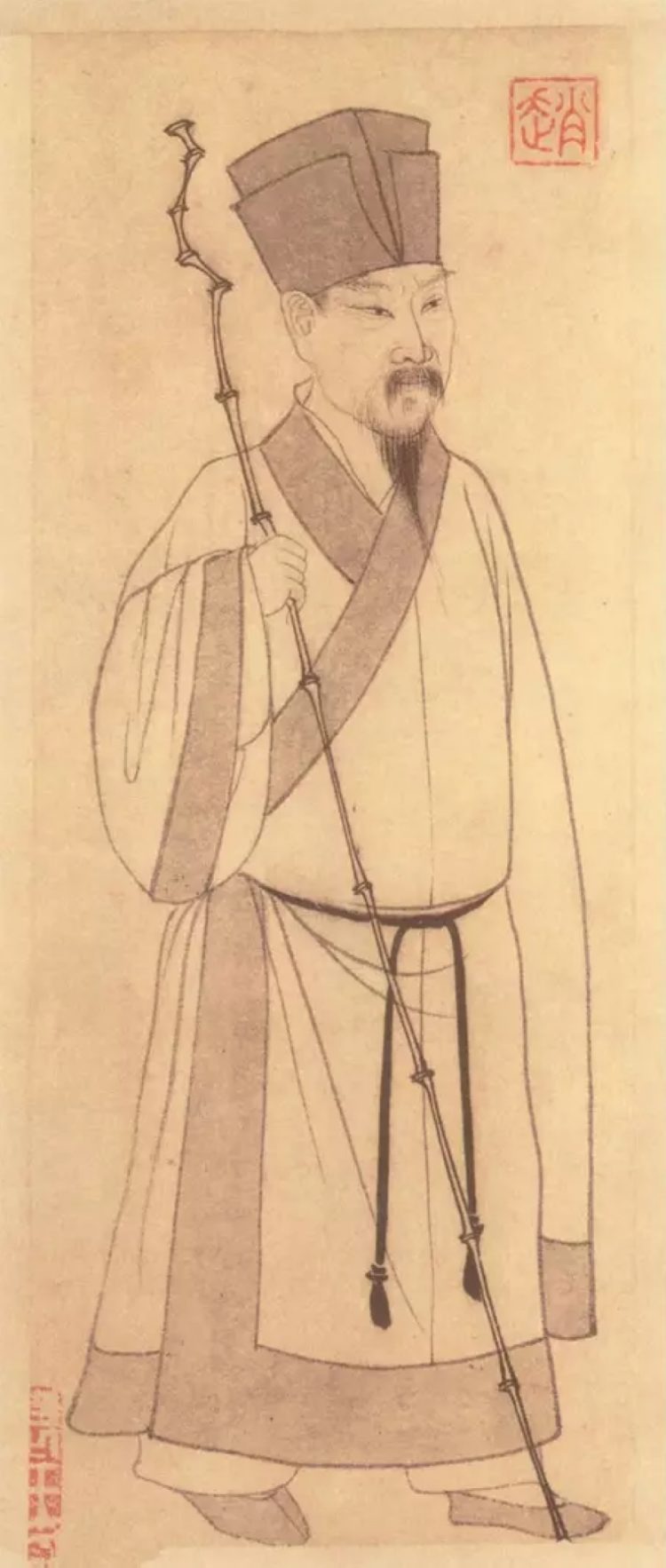
Su Shi
 (蘇軾 (Su Dongpo))
Northern Song dynasty polymath (1037–1101), known as Su Dongpo, who excelled as a poet, calligrapher, painter, and statesman, revolutionizing Ci lyric poetry and leaving an immortal cultural legacy.
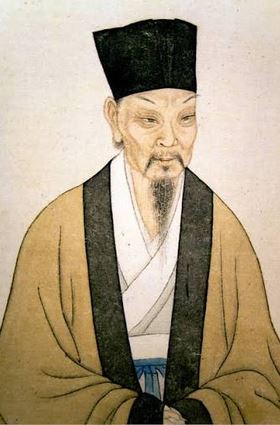
Su Shi (Su Dongpo)
(蘇軾 (蘇東坡))
Supreme cultural polymath of the Northern Song dynasty whose buoyant Buddhist-Taoist resilience, peerless ci poetry, and prose masterworks—like the Red Cliff Odes—rank him as one of China's greatest literary titans.
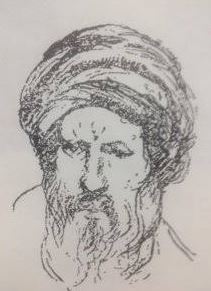
Abu al-Hasan al-Husari
 (أبو الحسن الحصري القيرواني)
Blind master lyricist of Kairouan whose romantic masterpiece 'Ya Laylu al-Sabbu Mata Ghaduhu' (O Night, When Will the Lover's Dawn Arrive?) became one of the most famous love poems in Arabic history.
Al-Khatib al-Baghdadi
(الخطيب البغدادي)
Monumental 11th-century Muslim historian whose fourteen-volume Tarikh Baghdad recorded the biographical history of the Abbasid capital.
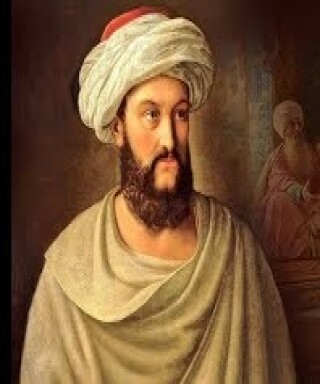
Ibn Sharaf al-Qayrawani
(ابن شرف القيرواني)
Celebrated poet and literary theorist of Kairouan whose legendary intellectual rivalry with Ibn Rashiq produced some of the sharpest critical works in classical Arabic literature.