Public Figures & Cultural Luminaries
Filterable archive covering centuries of intellectual, artistic, and moral contributions to the human story.
Amr ibn Kulthum
 (عمرو بن كلثوم)
Chivalric chieftain of the Taghlib tribe whose fiercely proud Mu'allaqah celebrates tribal honor, defiance of kings, and battle victory.
Al-Harith ibn Hilliza
 (الحارث بن حلزة)
Pre-Islamic poet of the Bakr tribe who spontaneously improvised his majestic eighty-line Mu'allaqah while afflicted with leprosy before King Amr ibn Hind.
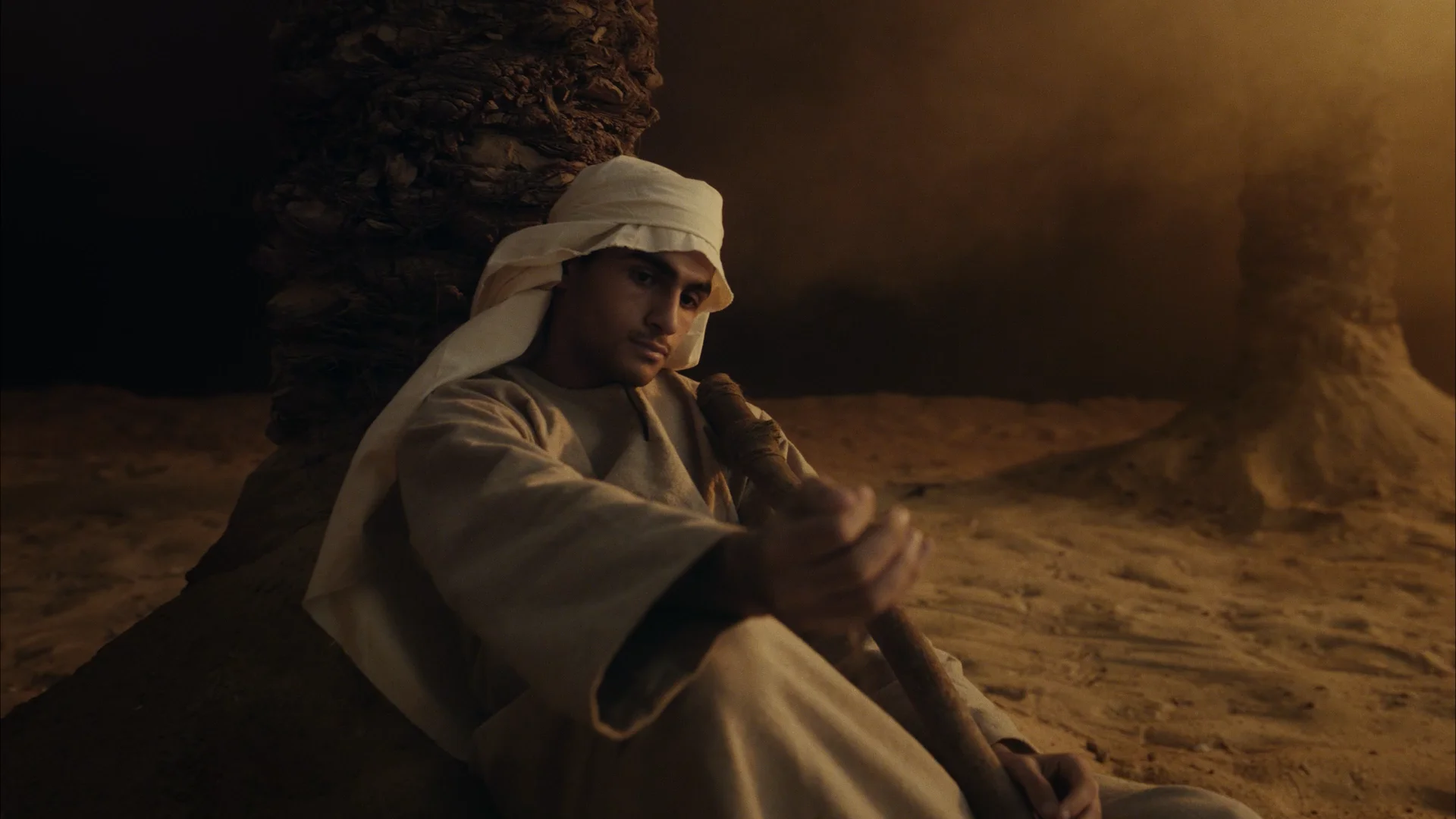
Tarafah ibn al-Abd
 (طرفة بن العبد)
Iconic 6th-century pre-Islamic Arabian poet born in the historic Bahrain region (Dilmun/Awal), author of one of the immortal Golden Odes (Mu'allaqat) suspended in the Kaaba in Mecca.
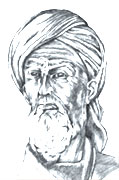
Tarafa ibn al-Abd
(طرفة بن العبد)
Brilliant pre-Islamic prodigy from Bahrain whose celebrated Mu'allaqah contains the famous description of the desert she-camel.
Lucian of Samosata
(لوقيان السميساطي)
Hellenistic-Syrian satirist and rhetorician whose satirical masterpiece 'A True Story' is celebrated as the earliest work of science fiction.
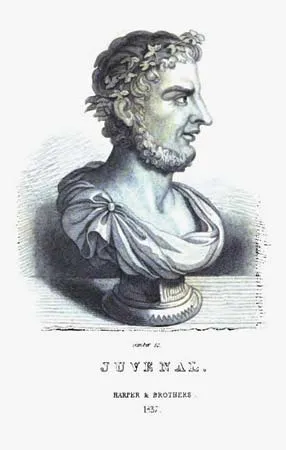
Decimus Junius Juvenalis
 (Decimus Iunius Iuvenalis)
Formidable Roman satirical poet whose scathing hexameter Satires coined iconic idioms including 'bread and circuses' and 'who will watch the watchers'.
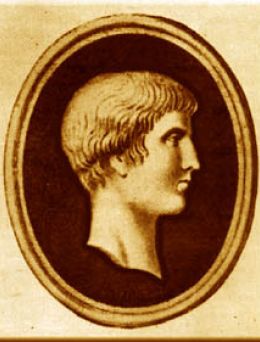
Marcus Valerius Martialis
 (Marcus Valerius Martialis)
Roman poet from Hispania celebrated as the father of the modern epigram, whose witty, biting verses brilliantly chronicled the vices and absurdities of imperial Rome.
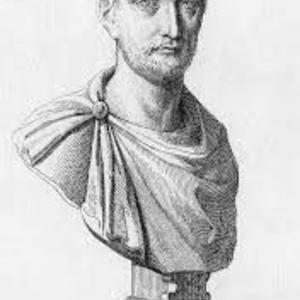
Marcus Annaeus Lucanus
(Marcus Annaeus Lucanus)
Brilliant Roman epic poet and nephew of Seneca, whose anti-imperial epic Pharsalia (De Bello Civili) dramatized the civil war between Caesar and Pompey.
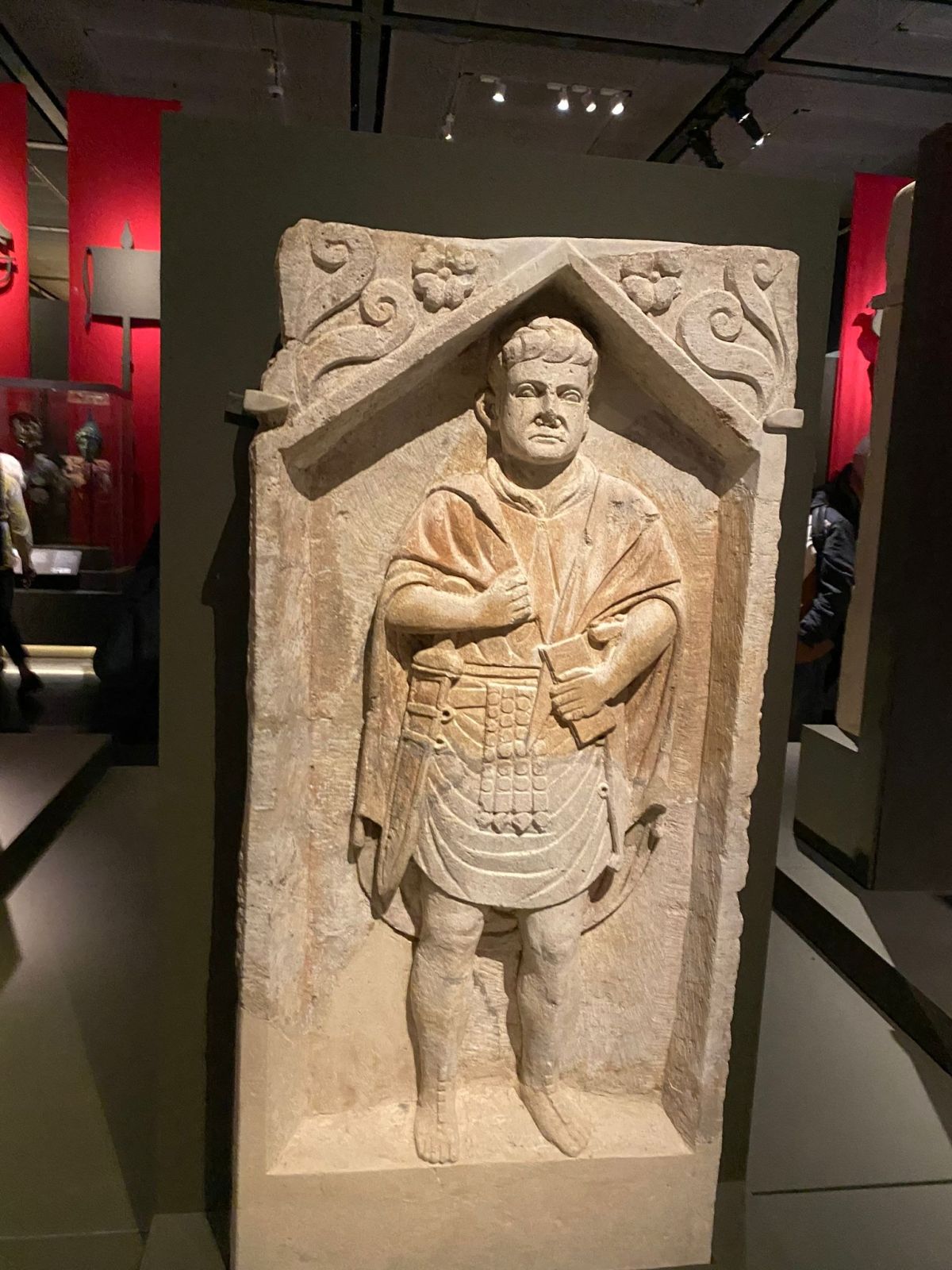
Terentianus Maurus
 (Terentianus Maurus)
2nd-century metrician and grammarian from Algeria who coined the immortal literary proverb 'Pro captu lectoris habent sua fata libelli'.
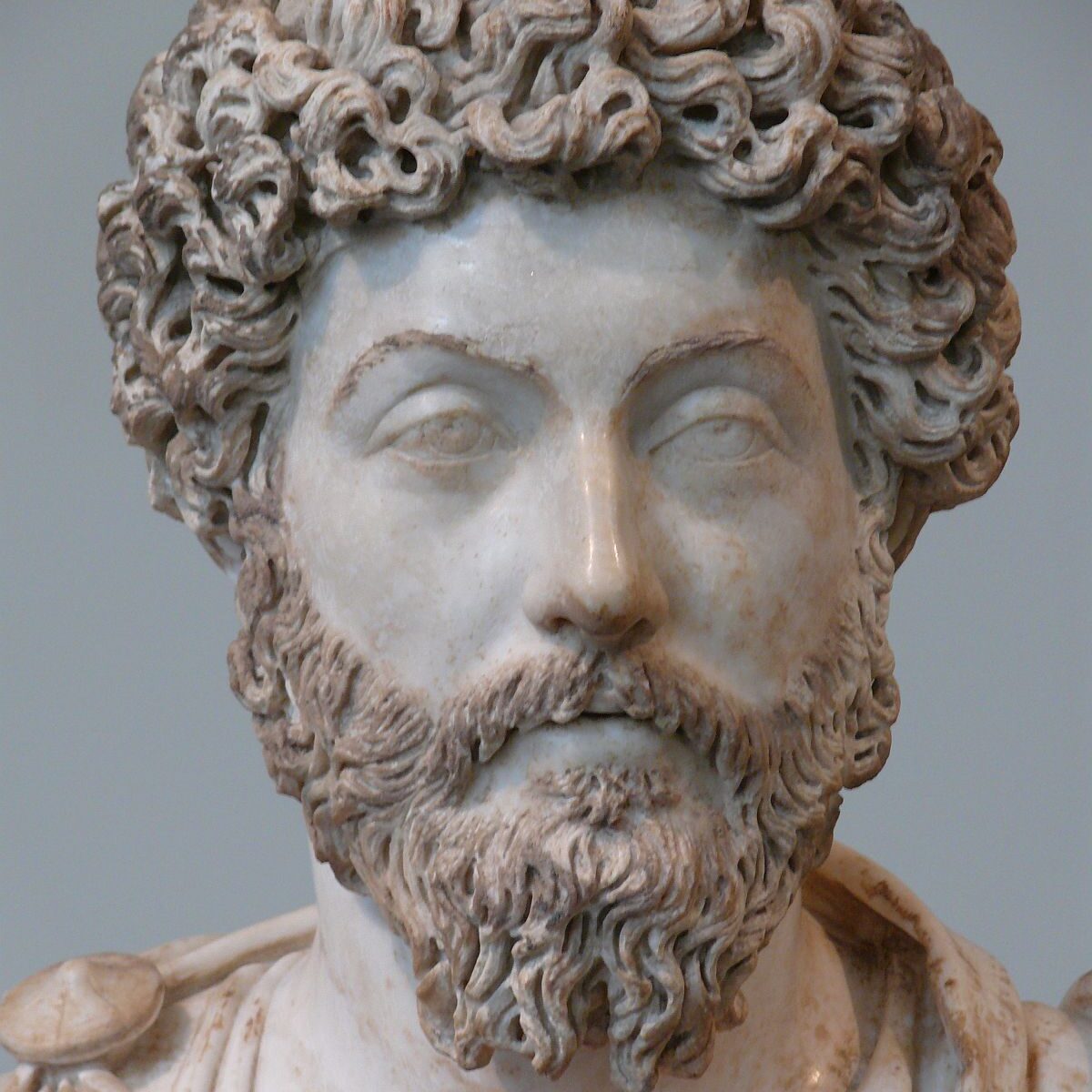
Marcus Cornelius Fronto
(Marcus Cornelius Fronto)
Eminent orator and rhetorician born in Cirta (Constantine), celebrated as the Cicero of his age and personal mentor to Emperor Marcus Aurelius.

Flavius Cresconius Corippus
 (Flavius Cresconius Corippus)
Last great Latin epic poet of antiquity, born in North Africa, author of the 8-book epic Iohannis, the primary eyewitness poetic chronicle of the Moorish rebellions and Byzantine campaigns in Tunisia.
Jason of Cyrene
 (Ἰάσων ὁ Κυρηναῖος)
Hellenistic Jewish historian of Cyrene who composed the monumental five-volume Greek history of the Maccabean Revolt against the Seleucid Empire, the primary source for the biblical Second Book of Maccabees.
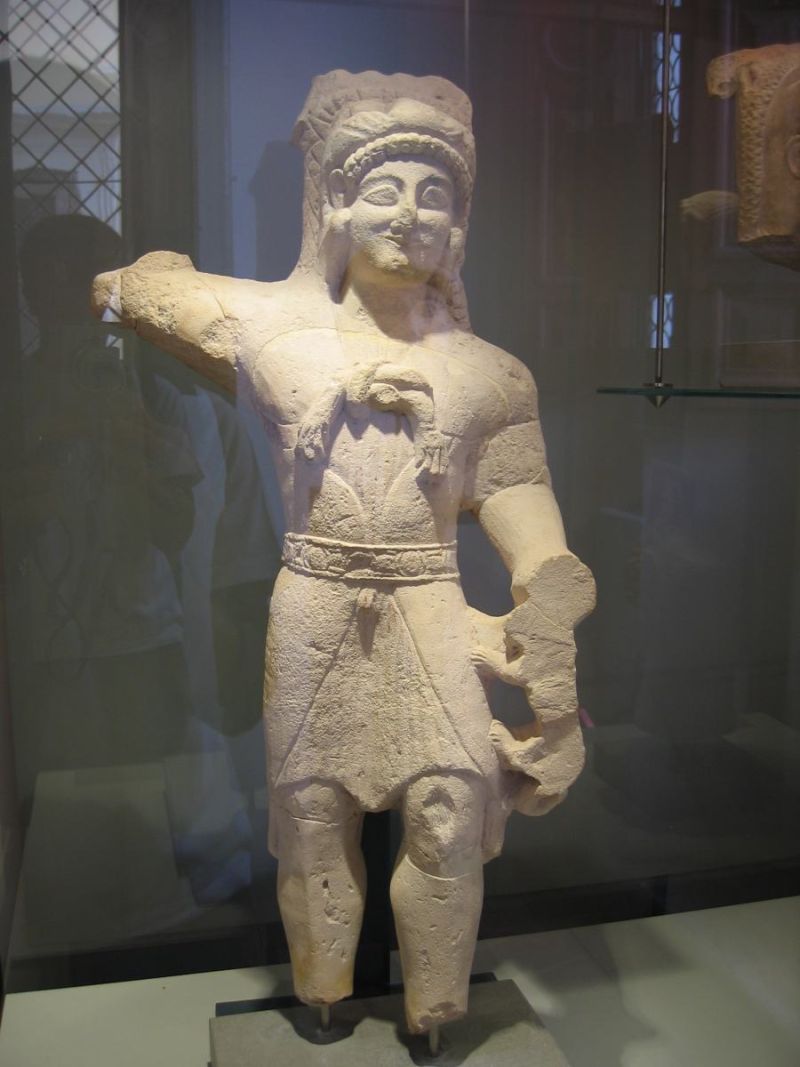
Nonnus of Panopolis
 (Νόννος ὁ Πανοπολίτης)
5th-century Greek epic poet from Akhmim, Upper Egypt, who authored the Dionysiaca—at 48 books the longest surviving poem from classical antiquity—and a hexameter paraphrase of the Gospel of John.
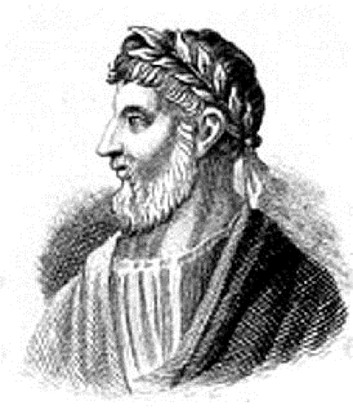
Apollonius of Rhodes
(Ἀπολλώνιος Ῥόδιος)
Alexandrian scholar and chief librarian of the Great Library of Alexandria, author of the Argonautica, the only surviving Hellenistic epic poem, which profoundly influenced Virgil's Aeneid.
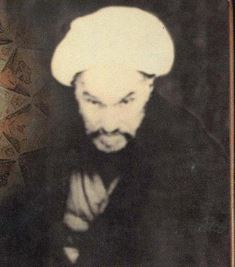
Ibn Abi Zar
 (ابن أبي زرع الفاسي)
14th-century Moroccan chronicler whose work Rawd al-Qirtas is the foundational historical narrative for the Idrisid, Almoravid, Almohad, and Marinid dynasties and the city of Fez.
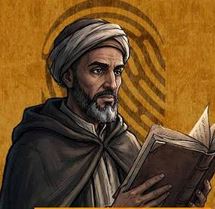
Ibn Hammad
(ابن حماد الصنهاجي)
12th-century Algerian historian and qadi born in the Hammadid capital of Beni Hammad, author of the indispensable primary chronicle on the Fatimid Caliphate in North Africa.
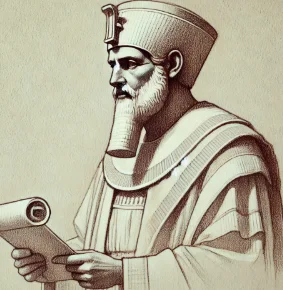
Manetho
(Μανέθων)
Eminent native Egyptian priest and historian from Sebennytos who wrote the landmark 'Aegyptiaca' (History of Egypt) in Greek for King Ptolemy II, establishing the chronological framework of thirty dynasties that remains foundational to modern Egyptology.
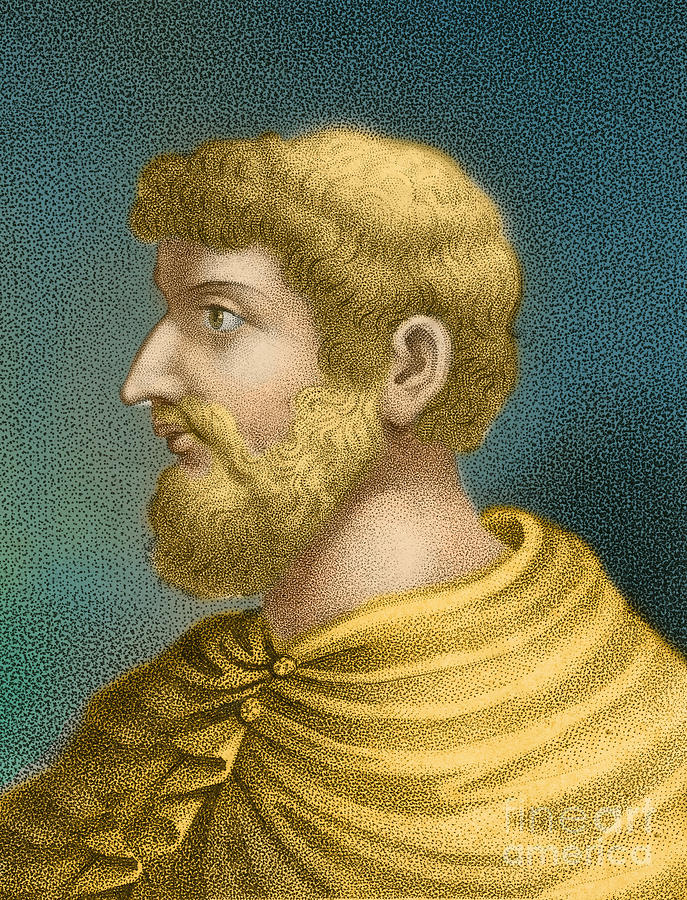
Callimachus
(Καλλίμαχος)
Preeminent Hellenistic poet, scholar, and grammarian from Cyrene whose revolutionary aesthetics favored concise, polished verse and whose monumental Pinakes created the world's first comprehensive library catalog.