Public Figures & Cultural Luminaries
Filterable archive covering centuries of intellectual, artistic, and moral contributions to the human story.
Kamal Khujandi
 (کمال خجندی)
Celebrated 14th-century Persian Sufi poet of Tabriz whose delicate, musical ghazals rivaled those of his contemporary Hafez of Shiraz.
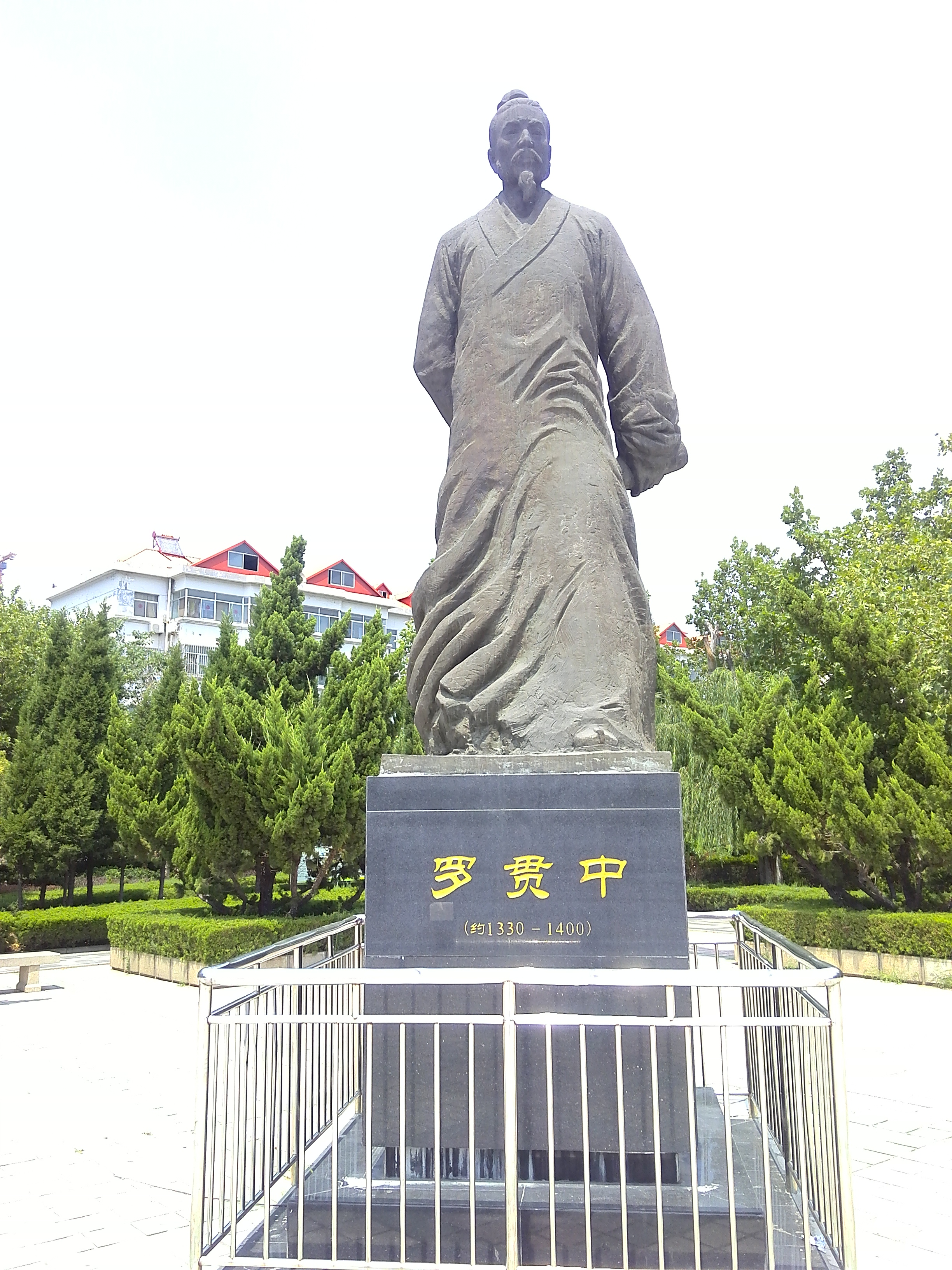
Luo Guanzhong
 (羅貫中)
Pioneering Chinese novelist of the Yuan-Ming transition who wrote Romance of the Three Kingdoms, one of the Four Great Classical Novels of Chinese literature.
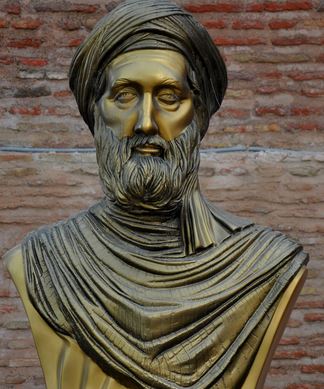
Yahya ibn Khaldun
 (يحيى بن خلدون)
Distinguished historian and younger brother of Ibn Khaldun, who served as prime minister and court chronicler of the Zayyanid Kingdom of Tlemcen and authored Bughyat al-Ruwwad.
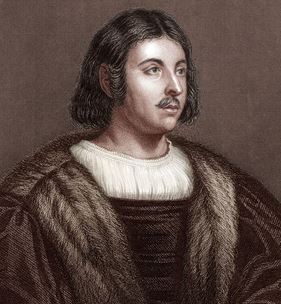
Giovanni Boccaccio
 (Giovanni Boccaccio)
Pioneering Florentine Renaissance humanist and author of The Decameron, who captured the tragedy of the 1348 Black Death and forged European storytelling prose through one hundred lively, witty tales of human wit, eros, and resilience.

Francesco Petrarca
(Francesco Petrarca)
Italian scholar and poet recognized as the 'Father of Humanism', whose Canzoniere established the Petrarchan sonnet and sparked the European Renaissance.

Lisan al-Din ibn al-Khatib
 (لسان الدين بن الخطيب)
Supreme Andalusian-Moroccan polymath and Grand Vizier of Granada who authored al-Ihata fi Akhbar Gharnata, formulated the contagion theory of the Black Death, and whose poetic epigrams adorn the Alhambra.
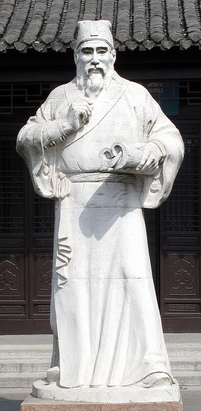
Shi Nai'an
(施耐庵)
Chinese writer traditionally credited with composing Water Margin (Outlaws of the Marsh), the celebrated epic novel of righteous banditry and martial brotherhood.
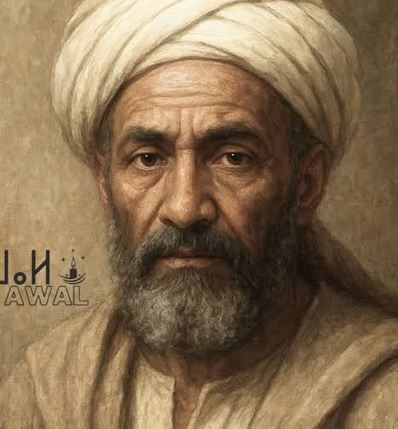
Ibn Ajurrum
 (ابن آجروم)
Sanhaja Berber grammarian and jurist of Fez whose concise grammatical manual, Al-Ajurrumiyya, became the most universally studied introduction to classical Arabic grammar for seven centuries.
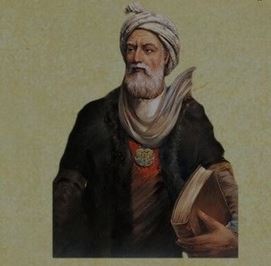
Abu al-Abbas Ahmad al-Ghubrini
 (أبو العباس أحمد بن أحمد الغبريني)
13th-century Chief Judge of Bejaïa and chronicler whose biographical encyclopedia 'Unwan al-Dirayah' documents the intellectual golden age of medieval Algeria.
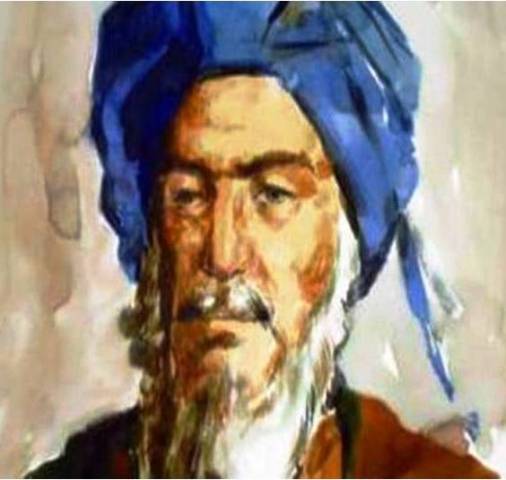
Ibn Adhari al-Marrakushi
(ابن عذاري المراكشي)
Monumental 13th-century Moroccan historian whose magnum opus al-Bayan al-Mughrib provides the most detailed, irreplaceable chronicle of Islamic North Africa and Andalusia from the 7th to the 13th century.
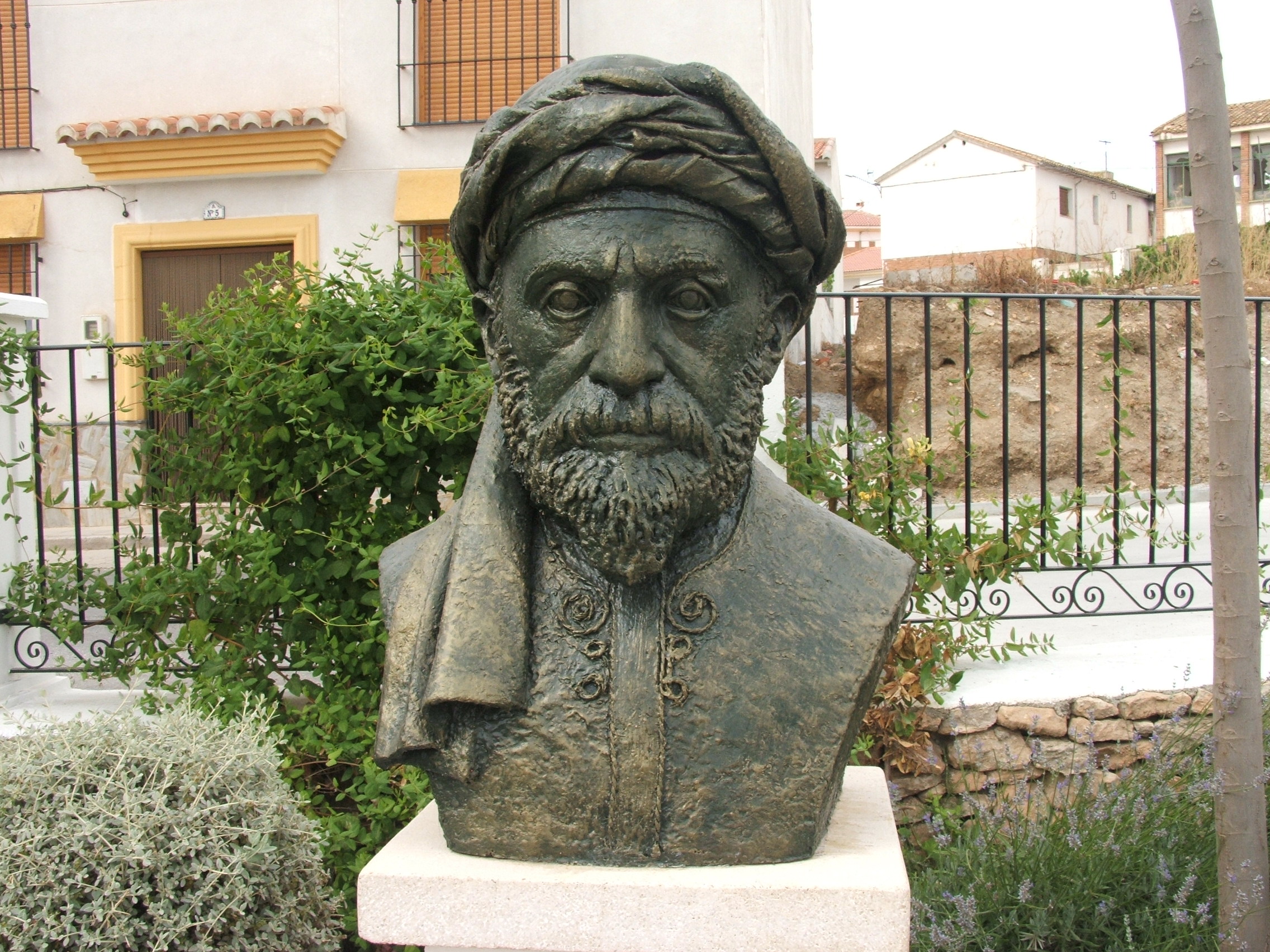
Abu al-Hasan al-Shushtari
(أبو الحسن الششتري)
Celebrated Sufi mystical poet whose vernacular zajal and muwashshah songs bridged classical Andalusian mysticism with North African and Middle Eastern spiritual song.
Baha al-Din Zuhayr
 (بهاء الدين زهير)
Celebrated 13th-century Ayyubid court poet and chancellor known for his effortless, delicate lyricism and witty epigrams.
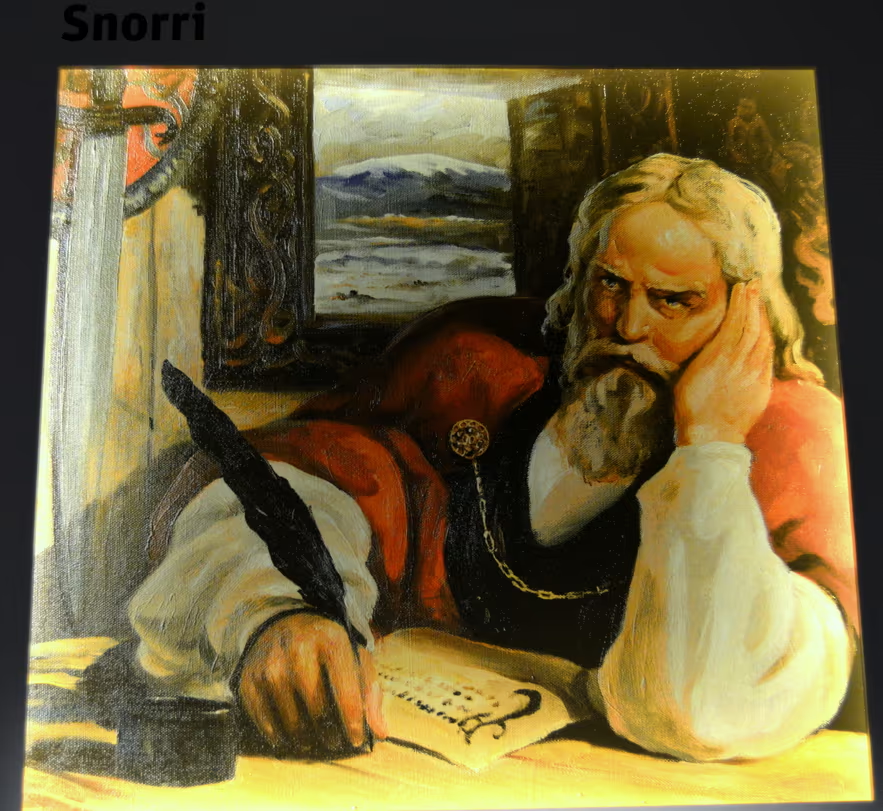
Snorri Sturluson
 (Snorri Sturluson)
Colossal medieval Icelandic historian, lawspeaker, and skald whose Prose Edda preserved Norse mythology and Heimskringla chronicled the epic history of Norwegian kings.
Baha al-Din ibn Shaddad
 (بهاء الدين بن شداد)
Distinguished jurist and close confidant of Saladin who authored the authoritative contemporary biography Al-Nawadir al-Sultaniyya.
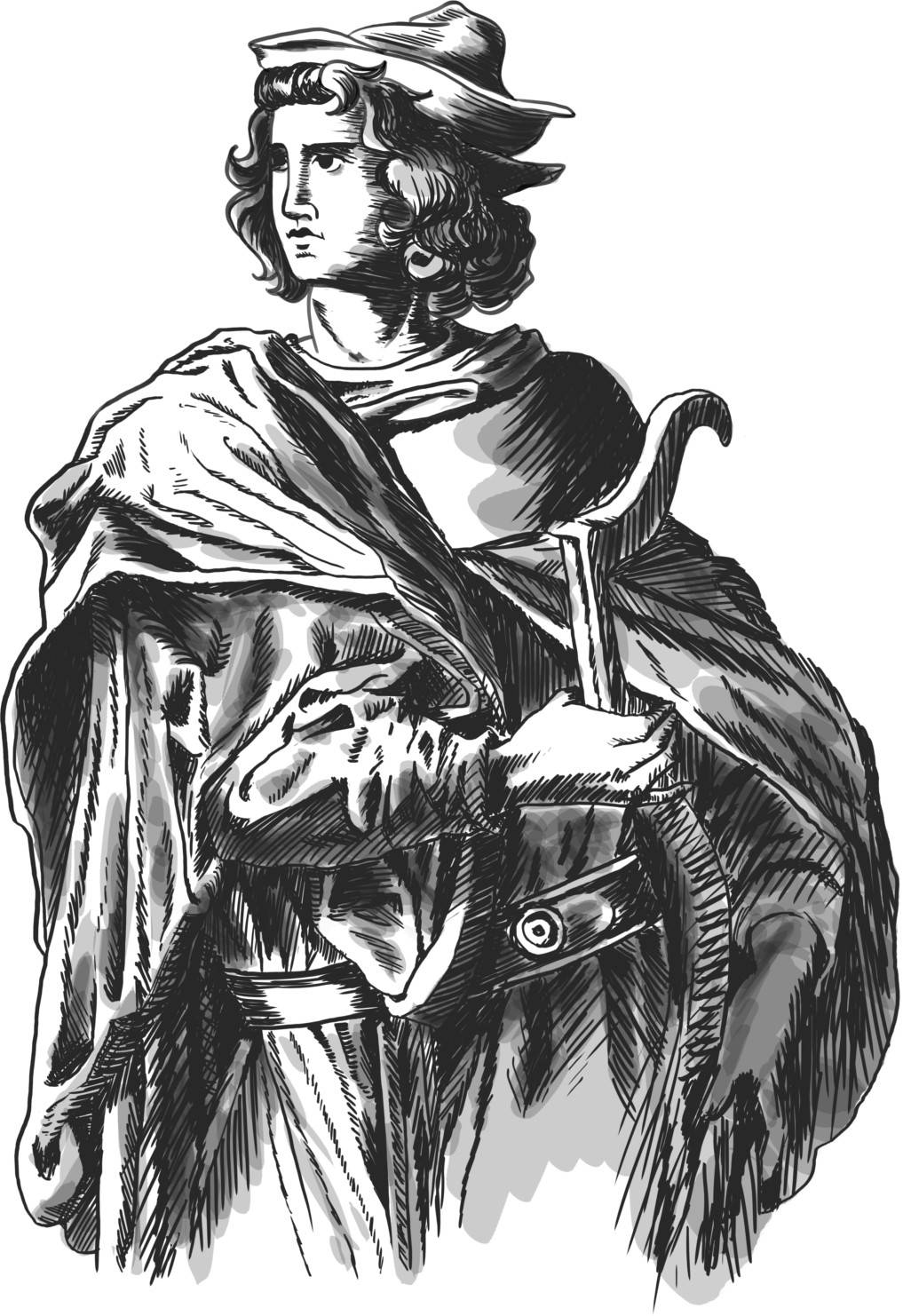
Walther von der Vogelweide
 (Walther von der Vogelweide)
Supreme Middle High German lyric poet and Minnesänger who elevated courtly love songs (Under der linden) and political Spruchdichtung across the courts of Europe.
Yaqut al-Hamawi
 (ياقوت الحموي)
Byzantine-born Muslim scholar and traveler who compiled the monumental geographical encyclopedia Mu'jam al-Buldan in Aleppo.
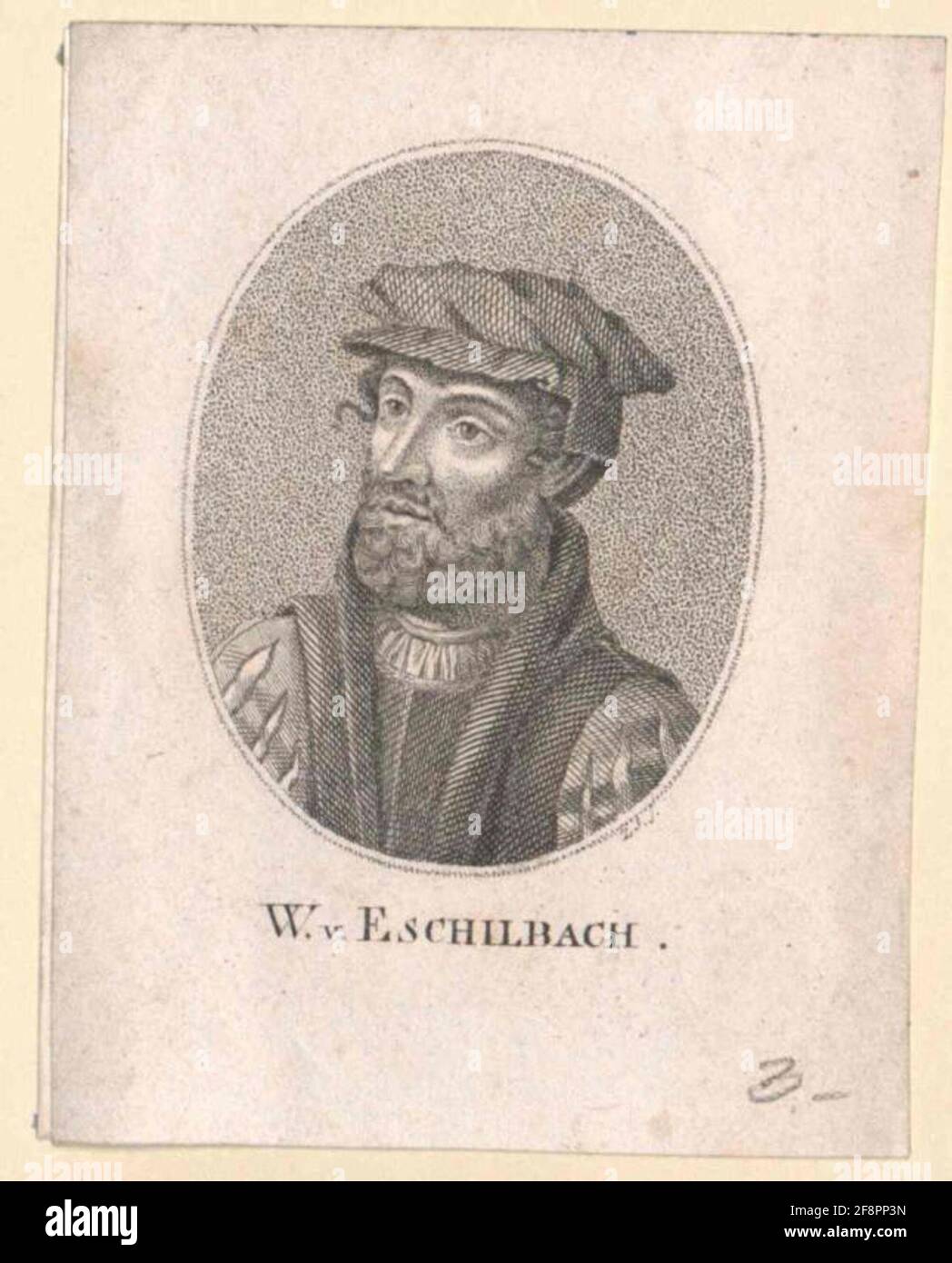
Wolfram von Eschenbach
 (Wolfram von Eschenbach)
Greatest Middle High German epic poet and knight whose masterpiece Parzival redefined the Arthurian Grail quest as a spiritual journey of empathy and faith.
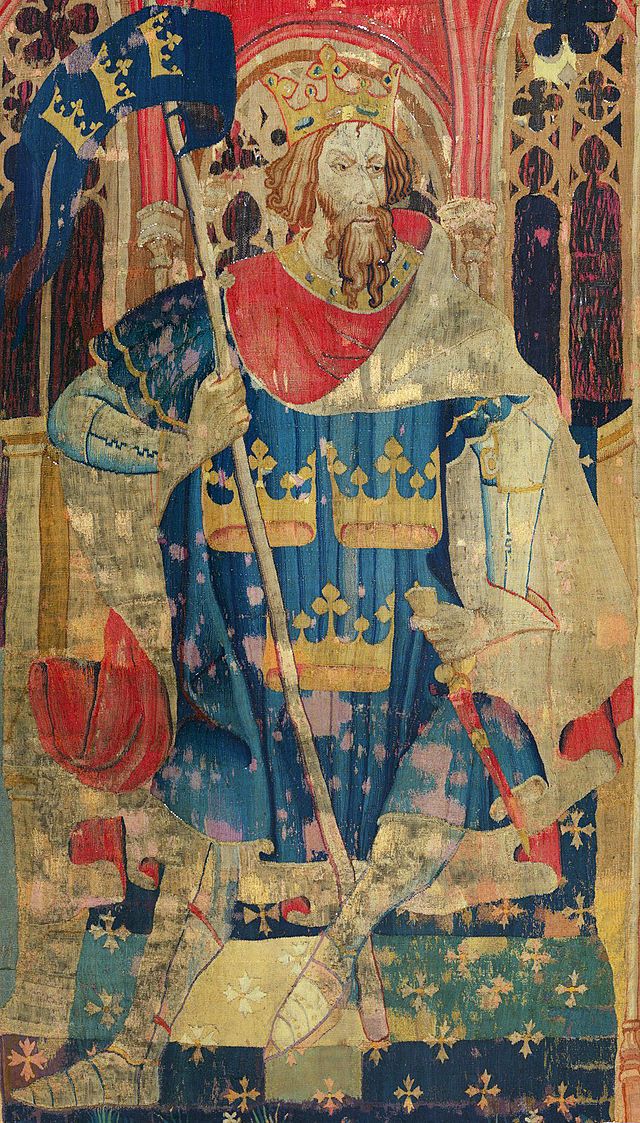
Chrétien de Troyes
 (Chrétien de Troyes)
Great French medieval trouvère and poet who originated the Arthurian courtly romance, inventing the Holy Grail quest and the tragic romance of Lancelot and Guinevere.