Public Figures & Cultural Luminaries
Filterable archive covering centuries of intellectual, artistic, and moral contributions to the human story.
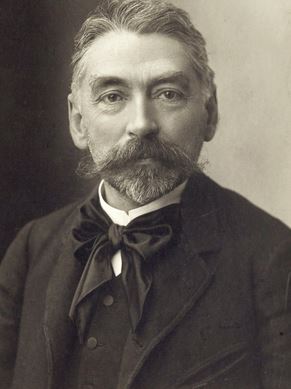
Étienne Stéphane Mallarmé
 (Stéphane Mallarmé)
Intellectual leader of French Symbolism whose weekly Tuesday gatherings (Les Mardis) mentored Gide, Valéry, and Proust, and whose hermetic masterpieces—L'Après-midi d'un faune and Un Coup de dés—pioneered modern abstract poetry.
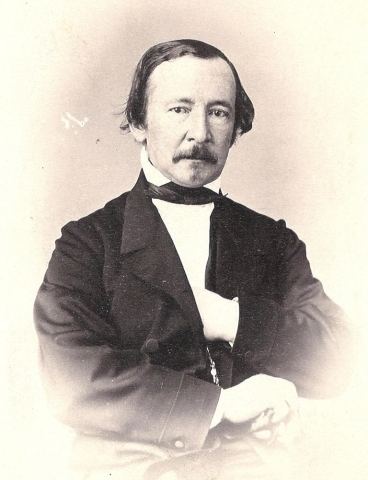
Zachris Topelius
 (Zacharias Topelius)
Distinguished Finnish author, historian, and poet celebrated as 'the fairy-tale uncle' who wrote Fältskärns berättelser (The Surgeon's Stories) and the foundational school reader Boken om vårt land.
Alphonse Daudet
(Alphonse Daudet)
Beloved French novelist and storyteller whose sun-drenched Provençal tales Lettres de mon moulin and comic masterpiece Tartarin de Tarascon brought the humour, pathos, and warmth of southern France into world literature.
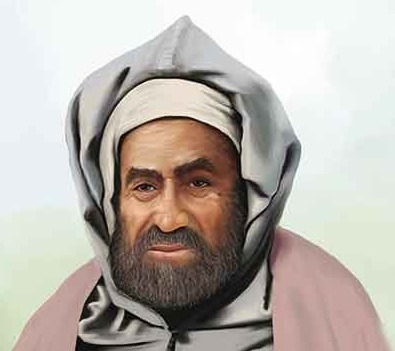
Ahmad ibn Khalid al-Nasiri
 (أحمد بن خالد الناصري)
Foremost Moroccan historian of the 19th century who served in high administrative posts under Sultan Moulay Hassan I and authored the monumental 9-volume national history Kitab al-Istiqsa.
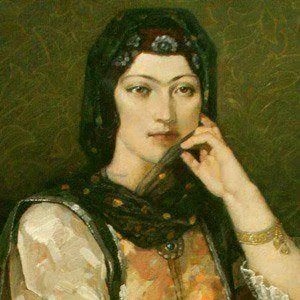
Khurshidbanu Natavan
 (Xurşidbanu Natəvan)
Renowned nineteenth-century princess of the Karabakh Khanate, lyrical poet, and philanthropist who founded the Majlisi-Uns literary salon and funded the first aqueduct in Shusha.
Aleko Konstantinov
 (Алеко Константинов)
Beloved satirical genius and pioneer of organized mountaineering whose immortal 1895 satirical feuilletons 'Bay Ganyo' created the most famous archetype in modern Bulgarian literature.
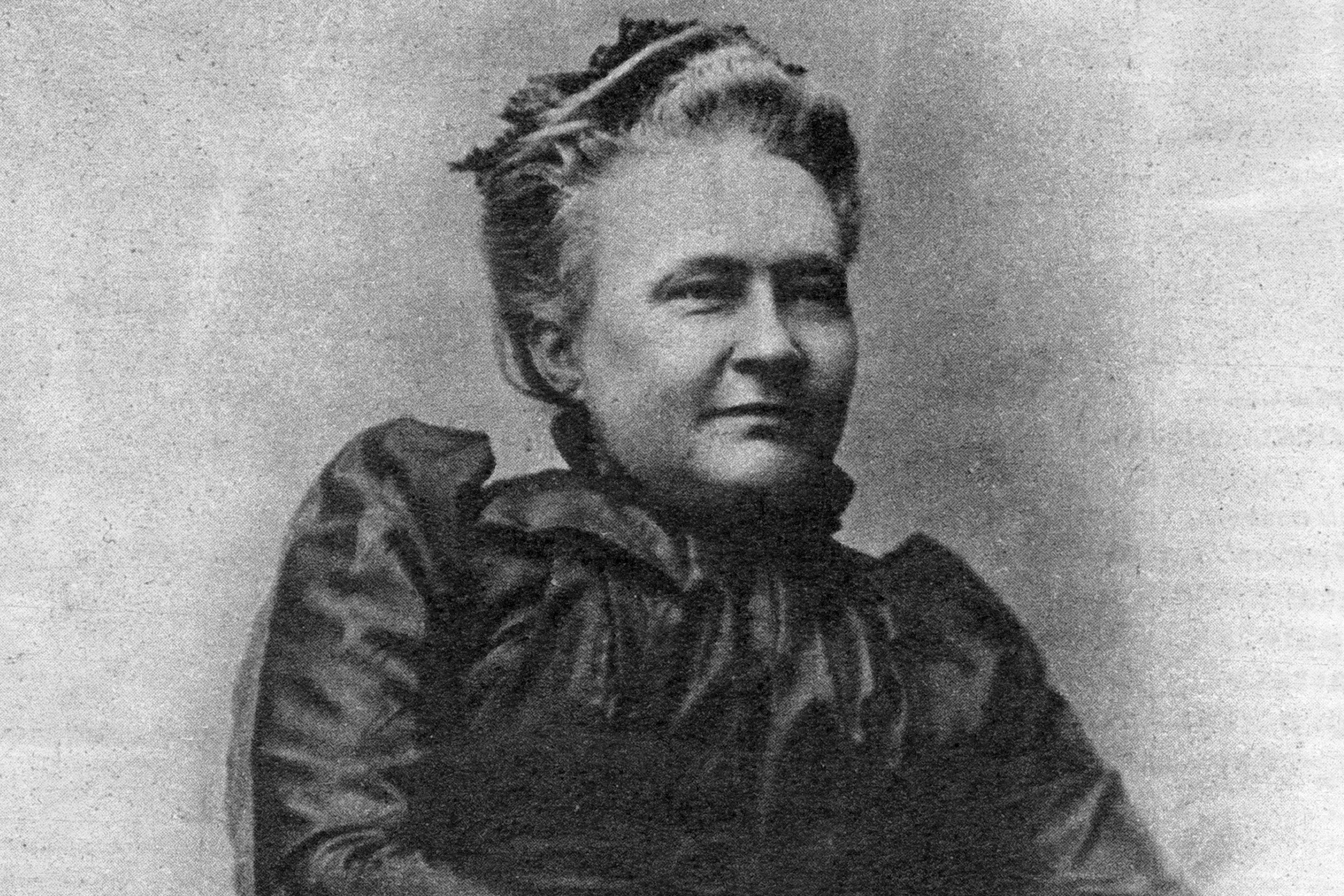
Minna Canth
(Ulrika Wilhelmina Johnsson Canth)
Pioneering Finnish realist playwright and early feminist champion who exposed poverty, clerical hypocrisy, and the oppression of women in Työmiehen vaimo (The Worker's Wife).
Salomé Ureña
 (Salomé Ureña de Henríquez)
Revered national romantic poet and pedagogical pioneer who founded the Instituto de Señoritas in 1881, the very first institution of higher academic education for women in the Dominican Republic.
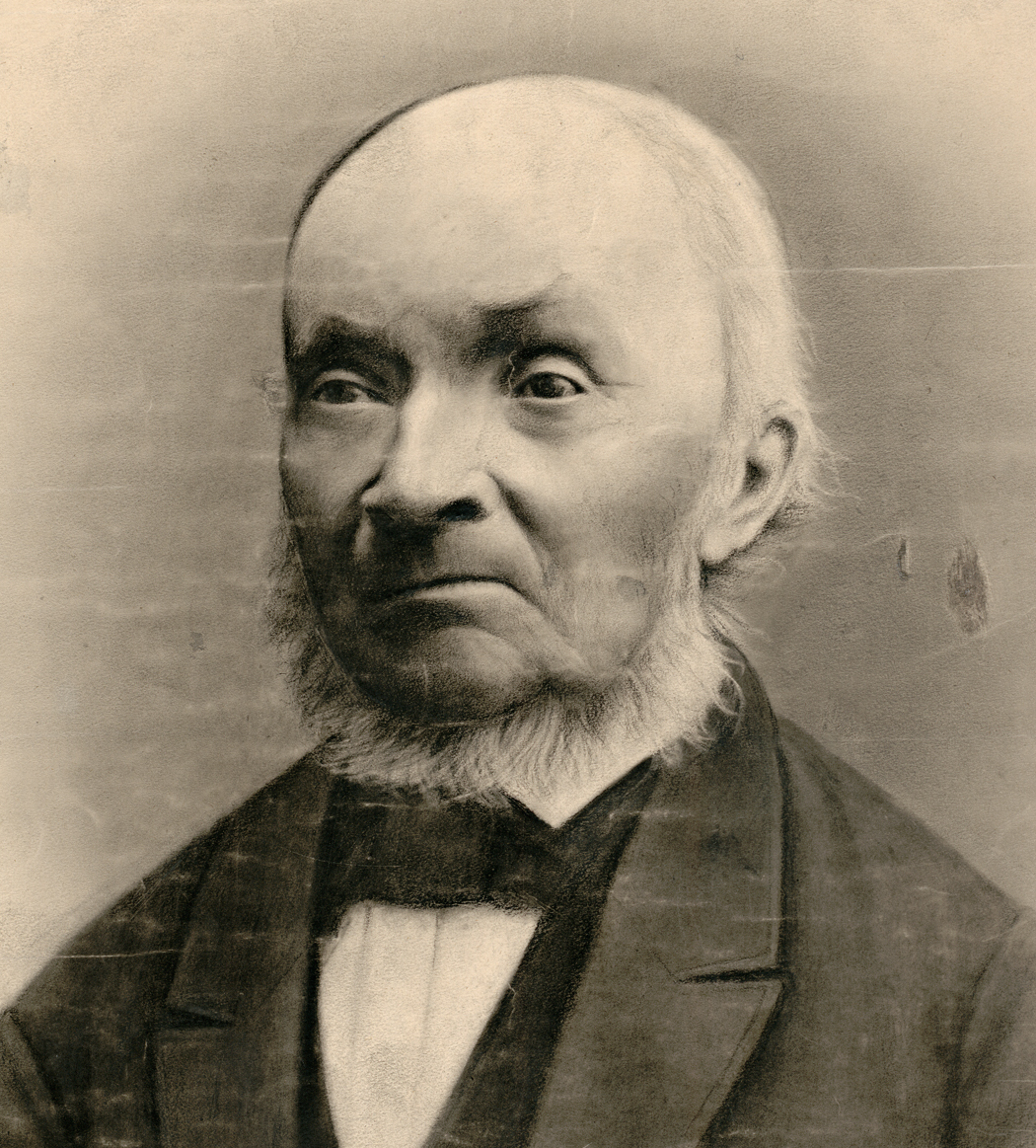
Ivar Aasen
 (Ivar Andreas Aasen)
Self-taught philologist and linguist who traveled thousands of kilometers across rural Norway to reconstruct the Norwegian written language, creating Nynorsk (Landsmål).
José Asunción Silva
 (José Asunción Silva Gómez)
Pioneering master of Spanish-American Modernismo whose haunting, rhythmic masterpiece 'Nocturno' ('Una noche toda llena de murmullos...') and tragic suicide made him an immortal figure, featured on the 5,000-peso note.
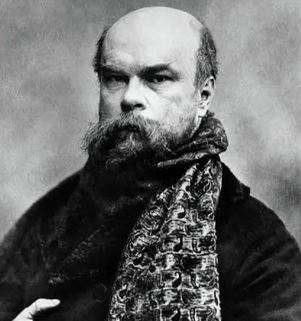
Paul-Marie Verlaine
(Paul Verlaine)
Supreme lyric poet of French Symbolism whose dictum 'De la musique avant toute chose' (Music before everything) and melancholic verses in Poèmes saturniens and Romances sans paroles inspired Claude Debussy and provided the BBC coded signal for D-Day.
Jorge Isaacs
(Jorge Isaacs Ferrer)
Master romantic novelist whose 1867 masterpiece 'María', set amidst the sugar haciendas of the Cauca Valley, became the undisputed first international literary bestseller of Latin America.
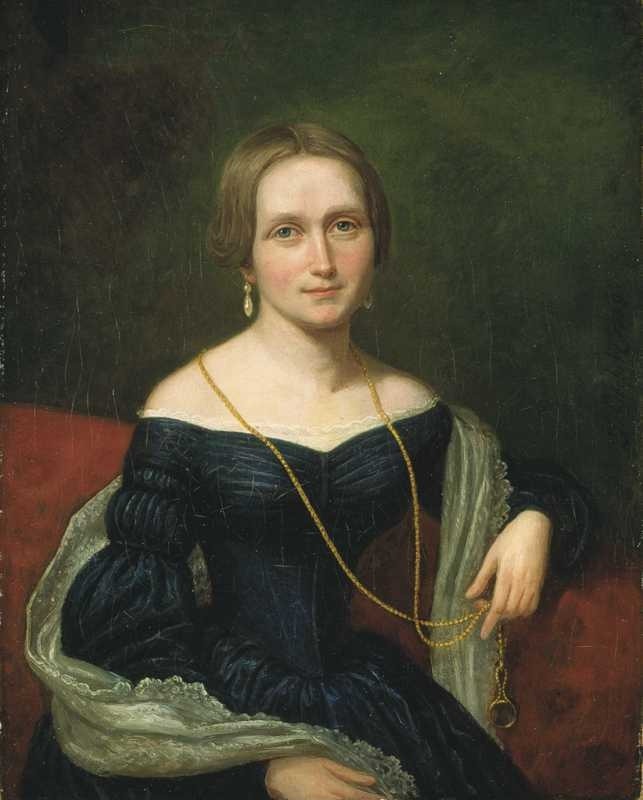
Camilla Collett
(Jacobine Camilla Wergeland Collett)
Norway's first major feminist writer and novelist whose 1854 masterpiece Amtmannens Døttre pioneered Norwegian realism and launched the women's emancipation movement.
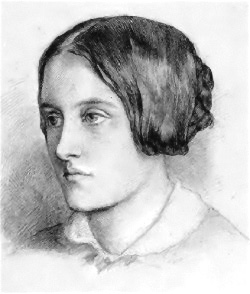
Christina Rossetti
 (Christina Georgina Rossetti)
Supreme Victorian devotional and lyric poet closely associated with the Pre-Raphaelites, famed for Goblin Market, 'Remember', and the Christmas carol 'In the Bleak Midwinter'.
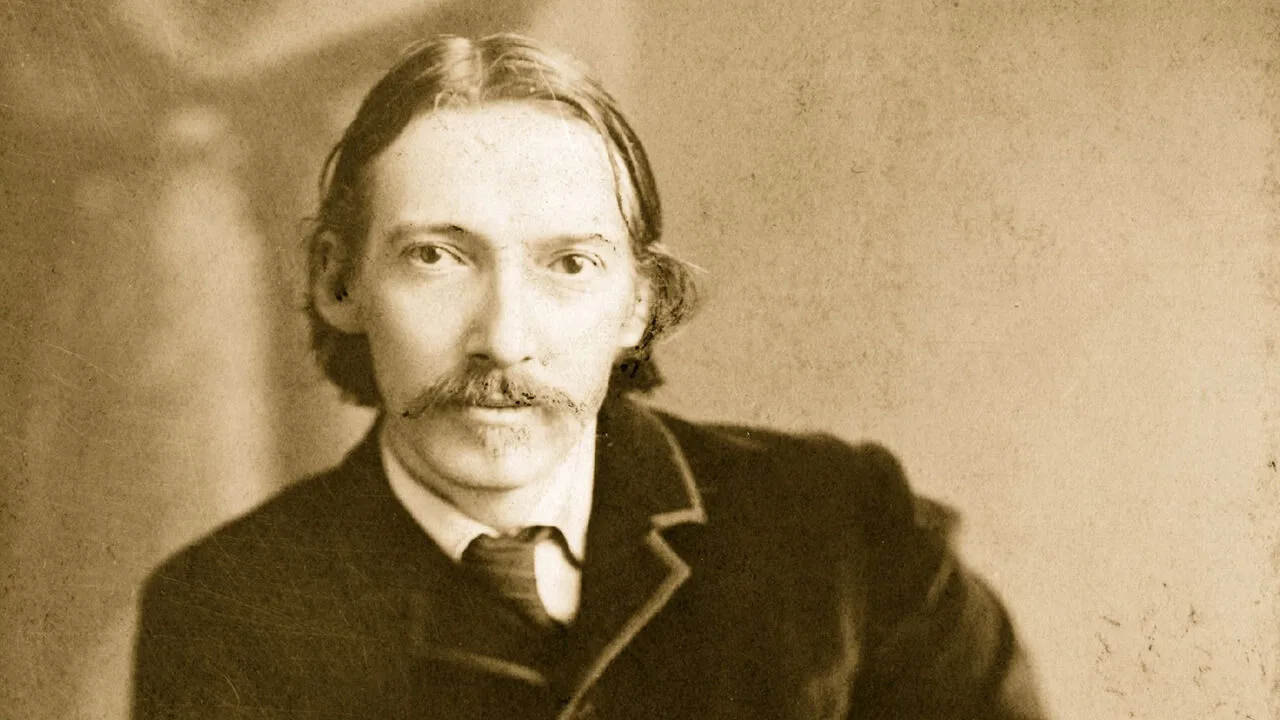
Robert Louis Stevenson
(Robert Louis Balfour Stevenson)
Beloved Scottish novelist, poet, and travel essayist who created Treasure Island, Kidnapped, and the psychological allegory of Dr Jekyll and Mr Hyde.
Cirilo Villaverde
 (Cirilo Villaverde de la Paz)
Author of the foundational Cuban realist novel 'Cecilia Valdés' (1882), a panoramic indictment of 19th-century colonial society, racial slavery, and the tragic fate of mulatto women in Havana.
Leconte de Lisle
(Charles Marie René Leconte de Lisle)
French poet from Réunion Island who spearheaded the Parnassian school of poetry, championing impassioned classical objectivity, sculptural beauty, and Vedic myth in Poèmes antiques and Poèmes barbares.
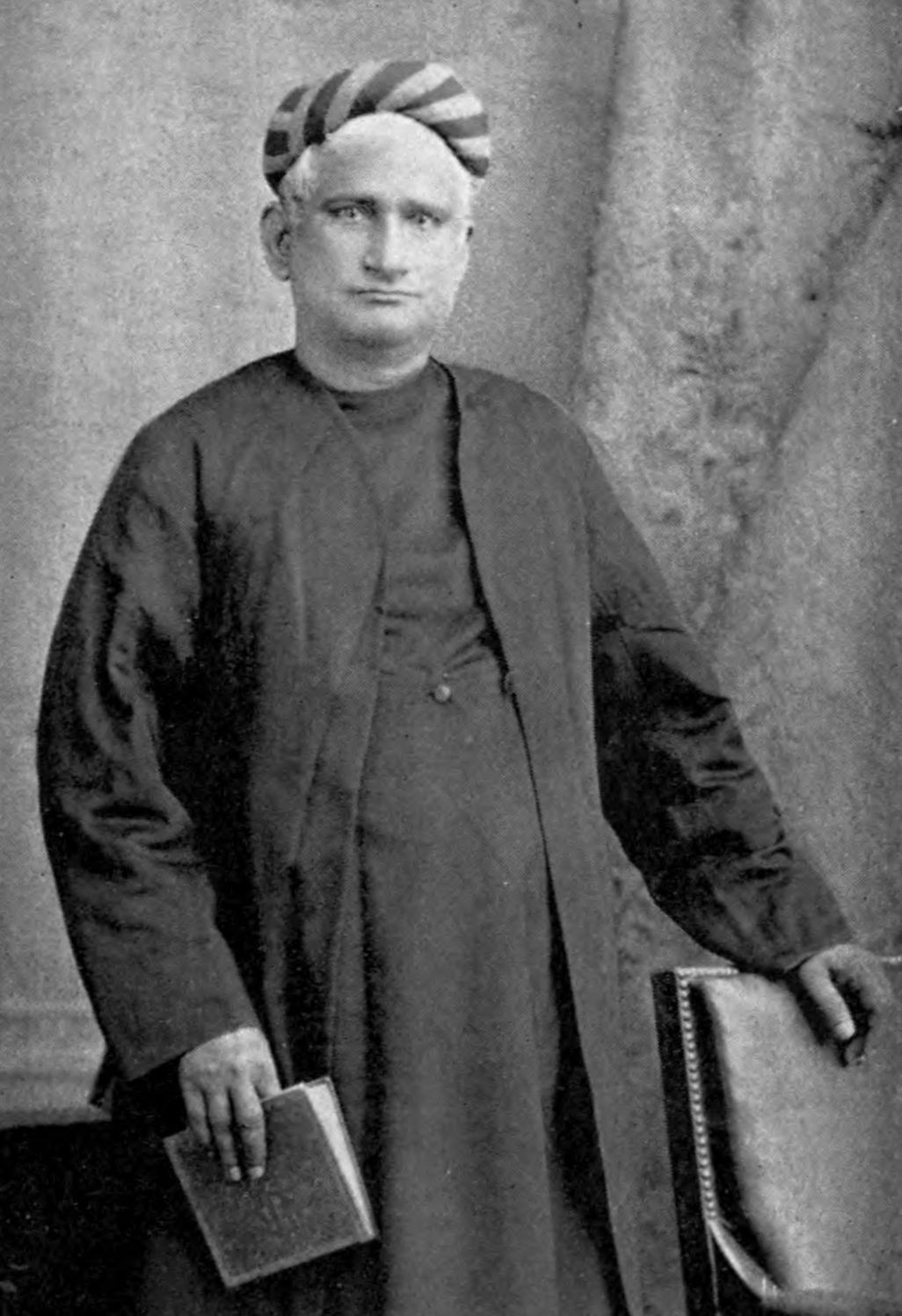
Bankim Chandra Chattopadhyay
 (বঙ্কিমচন্দ্র চট্টোপাধ্যায়)
Bengali novelist and intellectual hailed as the father of the modern Indian novel, who composed Vande Mataram, the national song of India, within his 1882 patriotic novel Anandamath.