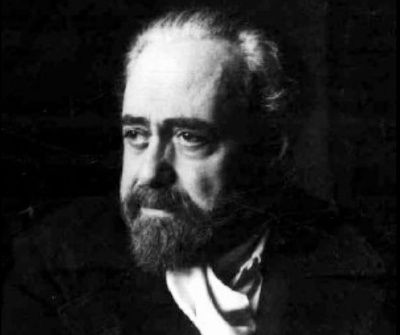
Oliverio Girondo
Revolutionary Argentine avant-garde poet and member of the Florida group whose groundbreaking 1922 collection Veinte poemas para ser leรญdos en el tranvรญa brought Ultraist modernism to Latin America.
Start typing to search worldwide archives and community tributes
Filterable archive covering centuries of intellectual, artistic, and moral contributions to the human story.
Revolutionary Argentine avant-garde poet and member of the Florida group whose groundbreaking 1922 collection Veinte poemas para ser leรญdos en el tranvรญa brought Ultraist modernism to Latin America.
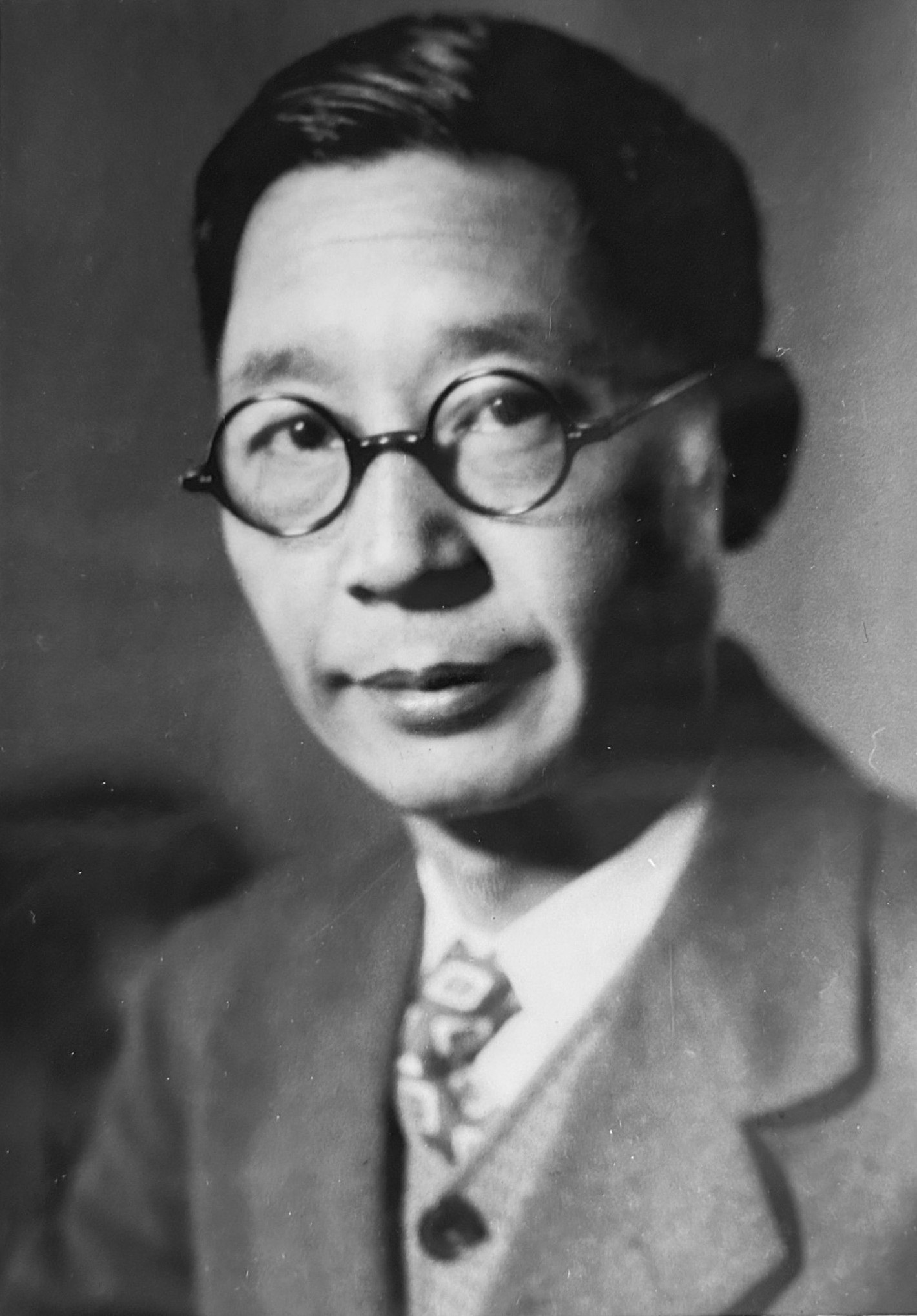
Manchu-Chinese novelist and playwright celebrated for Rickshaw Boy and Teahouse, master of Beijing dialect humor and empathetic chronicler of urban working-class life.
Acclaimed working-class author and communist labor organizer whose explosive 1941 novel 'Mamita Yunai' exposed the brutal exploitation of United Fruit Company banana workers in Central America.
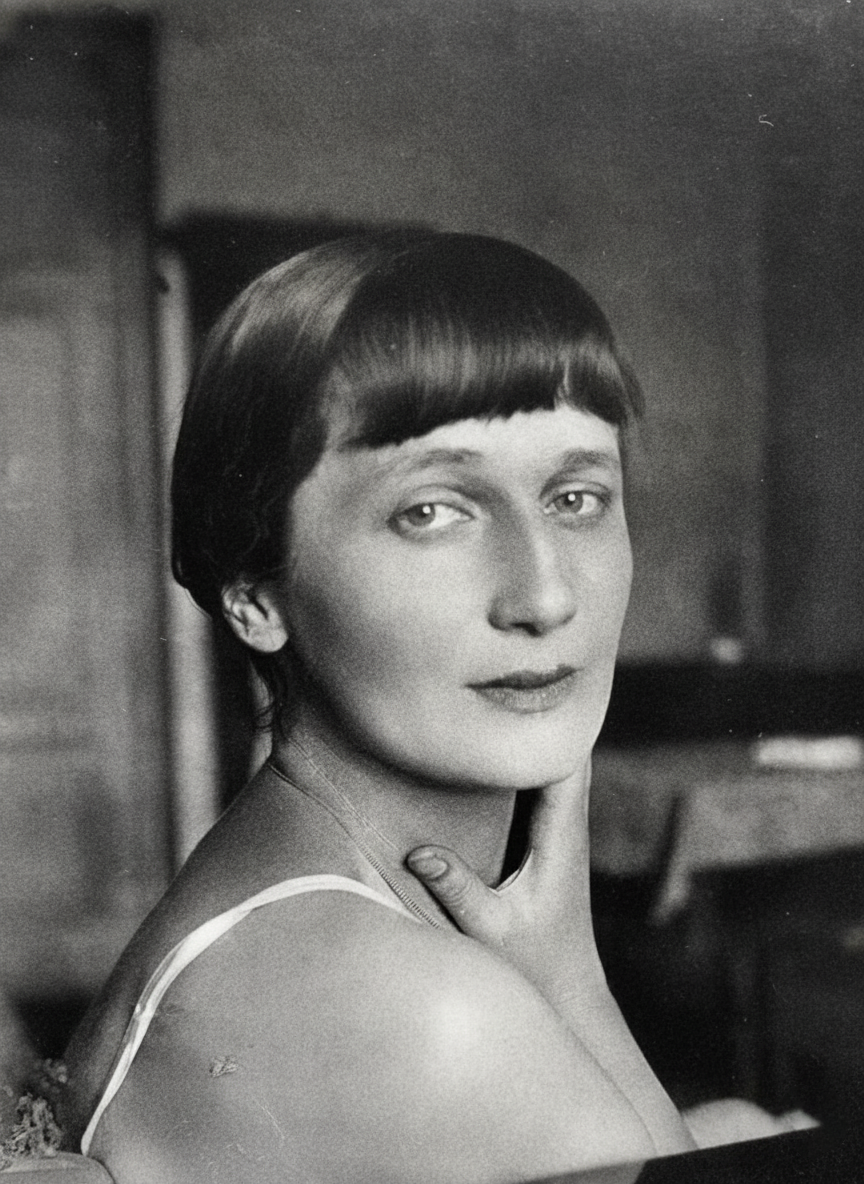
Supreme Russian modernist poet of the Silver Age and leader of Acmeism whose poem Requiem bore witness to the terror of Stalin's Great Purge.
Passionate Algerian poet and revolutionary militant born in the Aurรจs who was imprisoned by French paratroopers and authored the immortal collection 'Algรฉrie, Capitale Alger'.
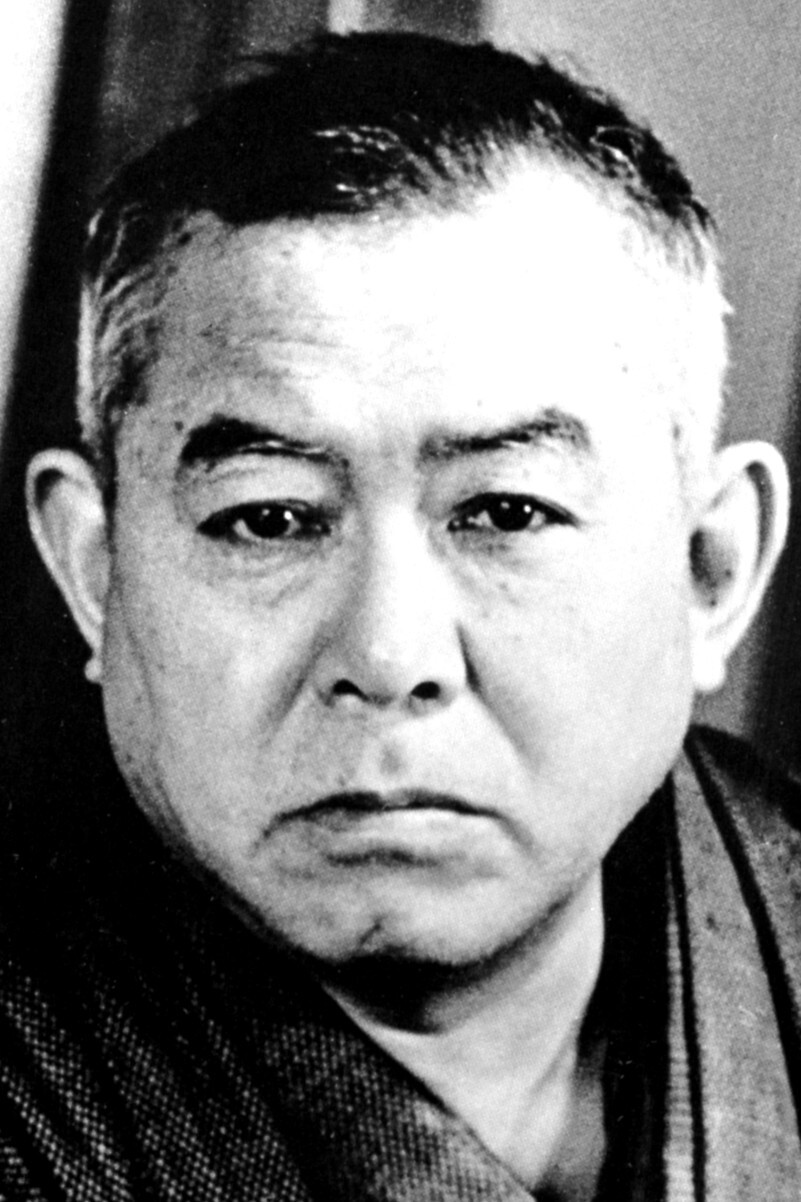
Japanese novelist celebrated for The Makioka Sisters, Some Prefer Nettles, and In Praise of Shadows, master of traditional Japanese aesthetics and subtle erotic obsessions.
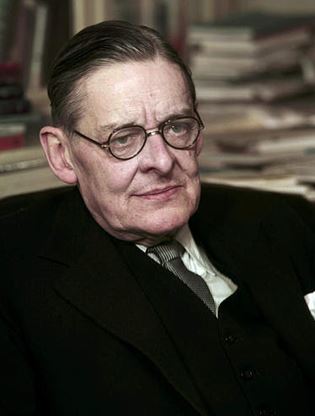
Titan of 20th-century poetry and 1948 Nobel laureate whose landmark epic The Waste Land ('April is the cruellest month') and spiritual Four Quartets articulated the disillusionment, fragmentation, and redemption of the modern post-war world.
Iraqi poet celebrated as the father of modern Arabic free verse (shi'r hurr), whose revolutionary 1960 collection Rain Song transformed twentieth-century Arabic poetic meter and mythology.
Irish dramatist and socialist who immortalized the Dublin working-class tenements in his tragicomic Dublin Trilogy: The Shadow of a Gunman, Juno and the Paycock, and The Plough and the Stars.
Revered as 'Sayagyi' (Great Master), patriarch of 20th-century Burmese literature and intellectual mentor to Aung San whose satirical layggyo poems and peace activism won the 1954 International Stalin Peace Prize.
First Finnish author awarded the Nobel Prize in Literature (1939) for his deep understanding of his country's peasantry and the exquisite art with which he portrayed their life and nature.
Towering Newfoundland-born poet whose heroic epics The Titanic, Brรฉbeuf and his Brethren, and Towards the Last Spike defined the Canadian mythos.
Monumental self-taught Egyptian writer, critic, philosopher, and parliamentarian who authored over one hundred books, famously celebrated for his psychological biographical series 'Al-Abqariyyat' (The Geniuses).
Master poet of Bedouin Melhoun and author of the immortal love masterpiece 'Bakhta', whose lyrics form the poetic bedrock of modern Raรฏ and Bedouin song.
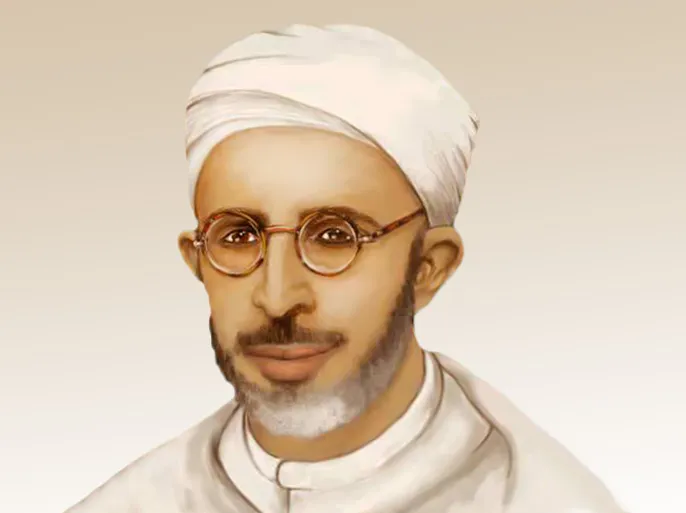
Prolific Moroccan historian, jurist, and anti-colonial intellectual whose monumental 20-volume encyclopedia al-Ma'sul rescued the Amazigh scholarly, poetic, and Sufi heritage of the Anti-Atlas mountains.
Encyclopedic Moroccan historian, poet, and nationalist leader who authored the monumental 20-volume regional encyclopedia Al-Ma'sul while exiled by French authorities in the Anti-Atlas.
Monuments Moroccan historian, encyclopedist, and Minister of Islamic Affairs who authored the monumental twenty-volume encyclopedia 'Al-Ma'sul' documenting the history, culture, and scholars of southern Morocco.
Iconic socialist poet, journalist, and social crusader who joined William Lane's utopian New Australia colony in Paraguay and championed women's and Indigenous rights for seven decades, featured on the $10 note.