Public Figures & Cultural Luminaries
Filterable archive covering centuries of intellectual, artistic, and moral contributions to the human story.
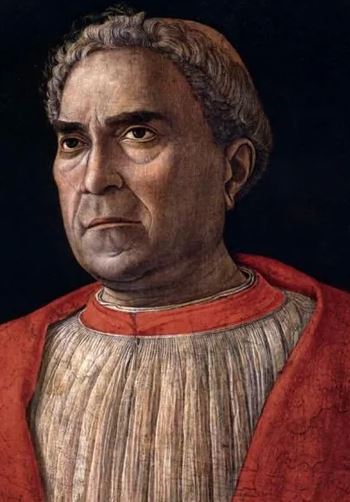
Andrea Mantegna
 (Andrea Mantegna)
Italian Renaissance pioneer of illusionistic perspective, extreme foreshortening, and archaeological Roman classical precision.
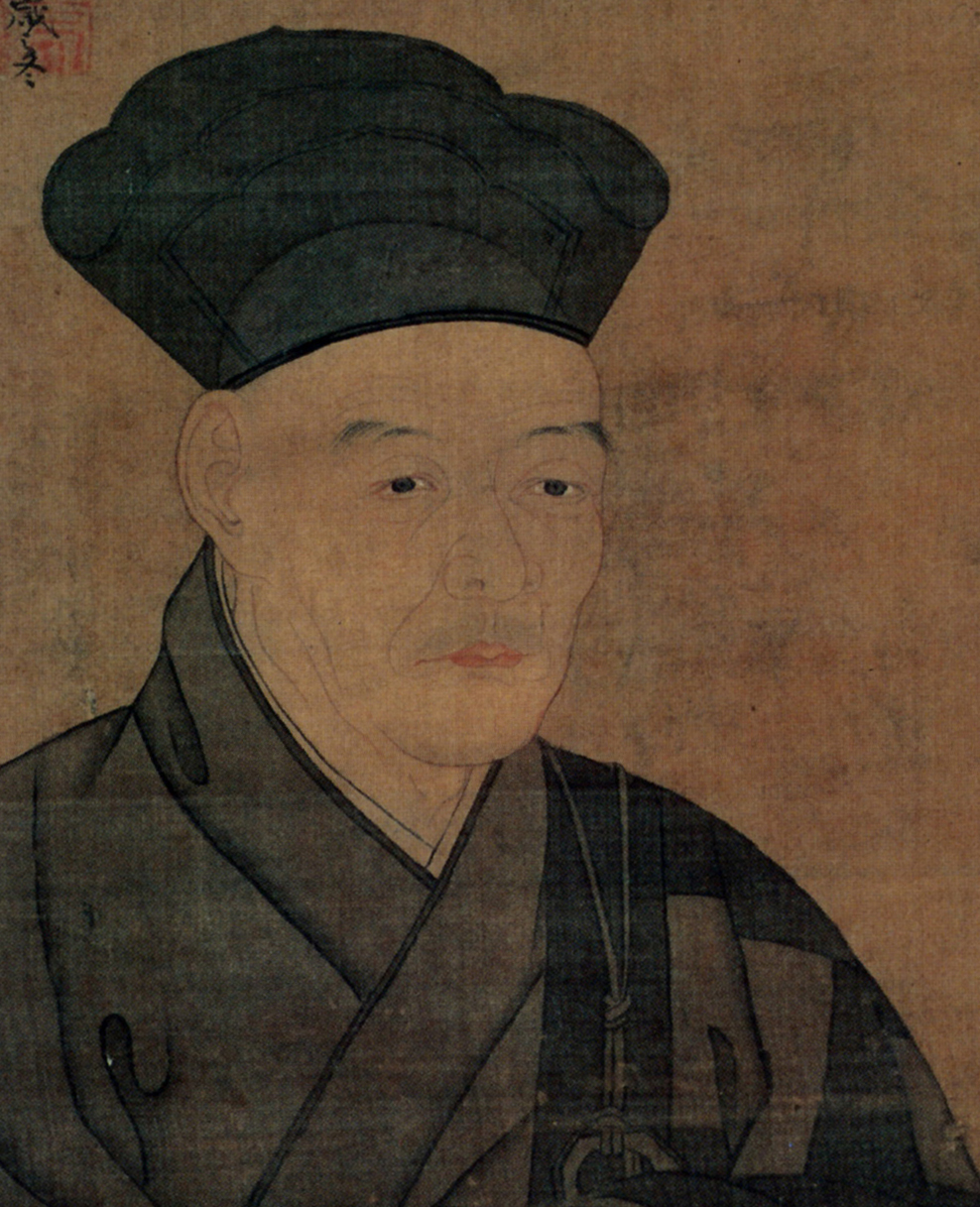
Sesshu Toyo
 (雪舟 等楊)
Master Japanese ink painter and Zen Buddhist monk of the Muromachi period who traveled to Ming China and synthesized Chinese song painting into the distinctive Japanese Zen landscape style.
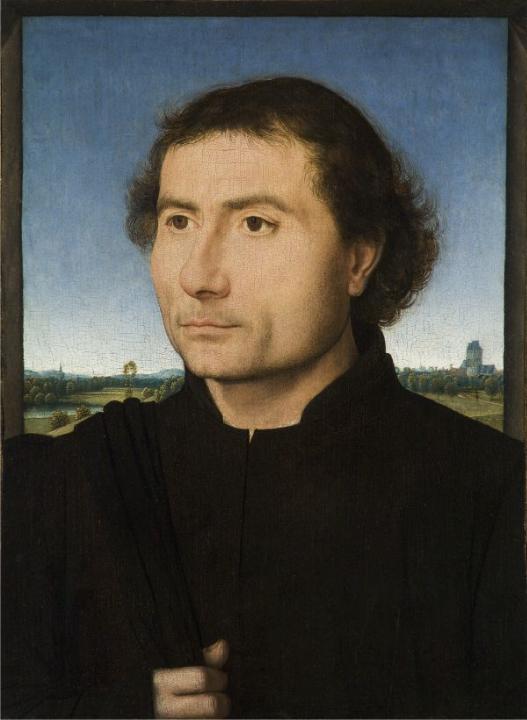
Hans Memling
 (Hans Memling)
Leading Early Netherlandish painter in Bruges whose serene portraits, 'The Last Judgment' triptych, and the Reliquary of Saint Ursula embodied Flemish graceful harmony.
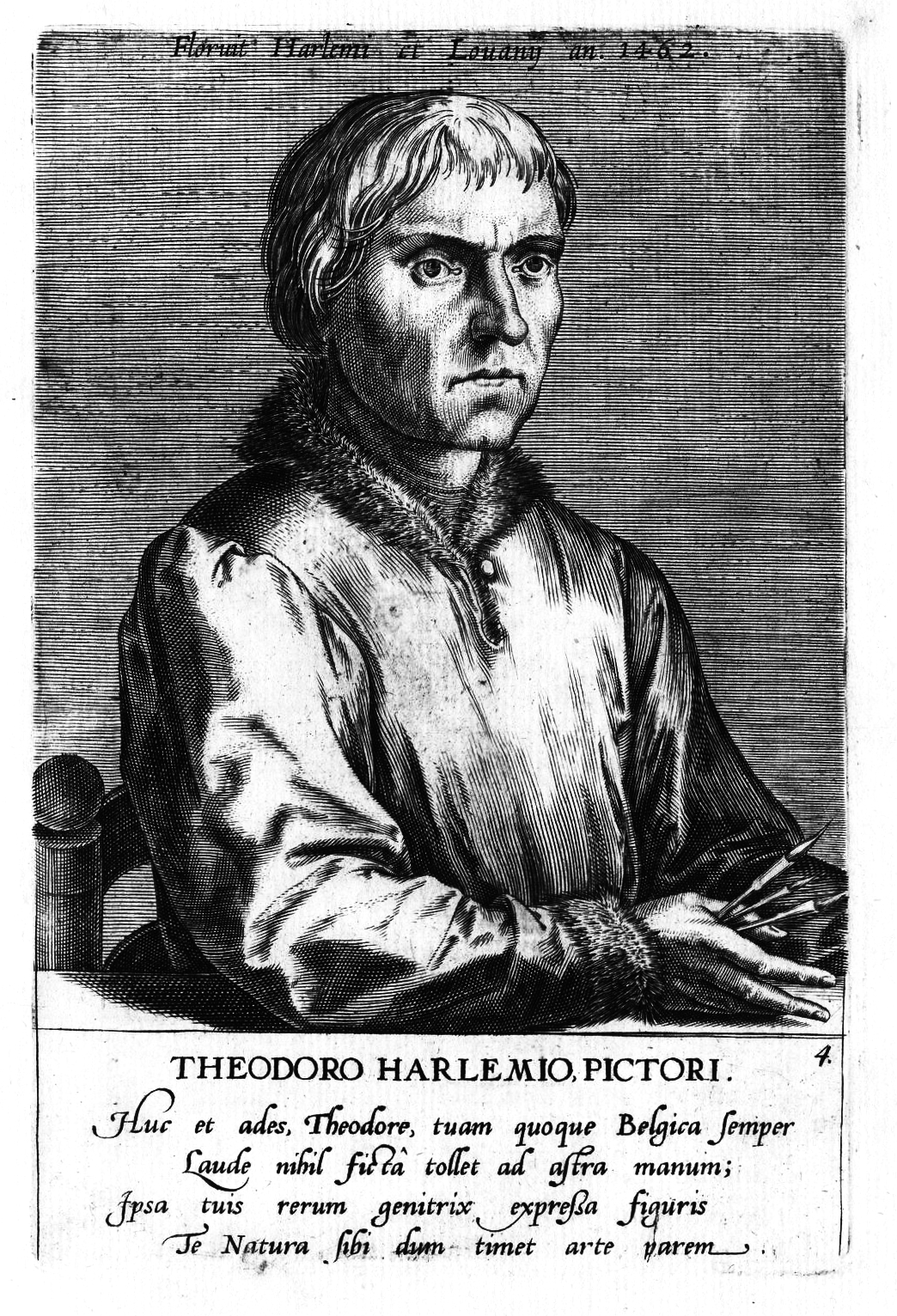
Dirk Bouts
 (Dirk Bouts)
Pioneering Early Netherlandish painter and city painter of Leuven whose 'Altarpiece of the Holy Sacrament' perfected mathematical perspective and northern atmospheric space.
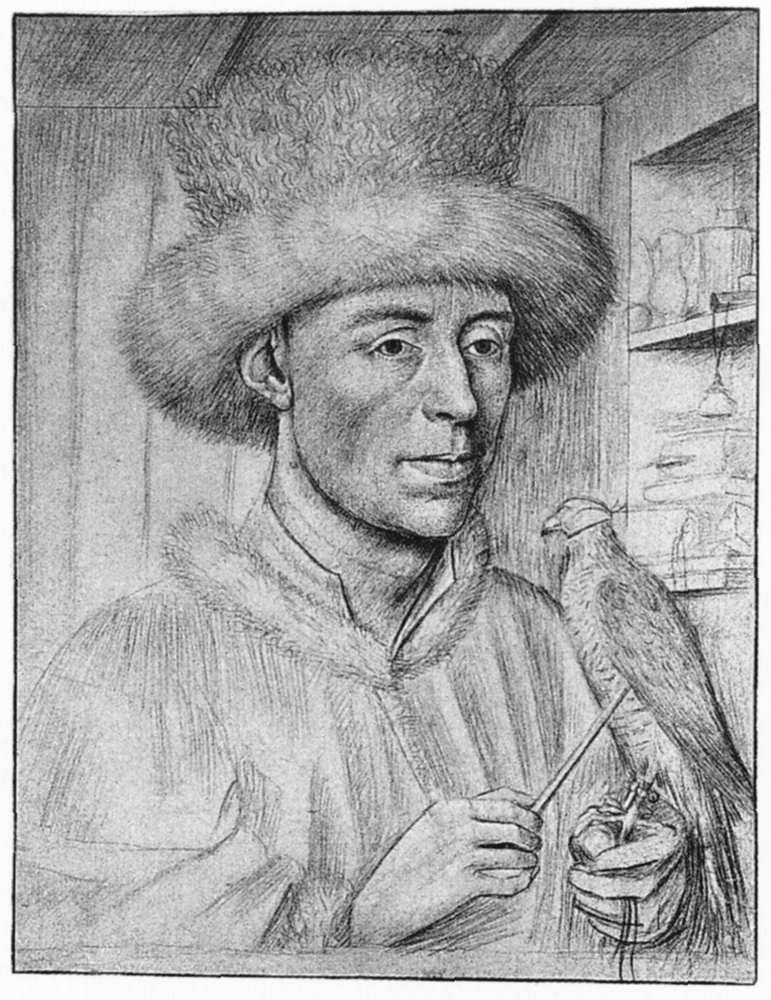
Petrus Christus
 (Petrus Christus)
Netherlandish painter who succeeded Jan van Eyck in Bruges, pioneering geometrically unified one-point perspective in Northern Europe in 'A Goldsmith in His Shop'.
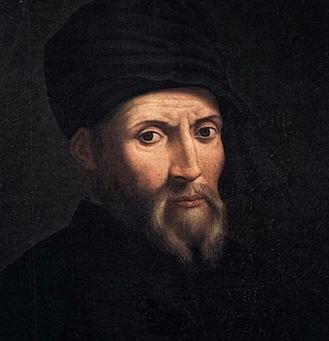
Donato di Niccolò di Betto Bardi (Donatello)
(Donatello)
Supreme master sculptor of the Florentine Early Renaissance who created the bronze David—the first freestanding nude bronze statue since classical antiquity—and pioneered schiacciato low relief.
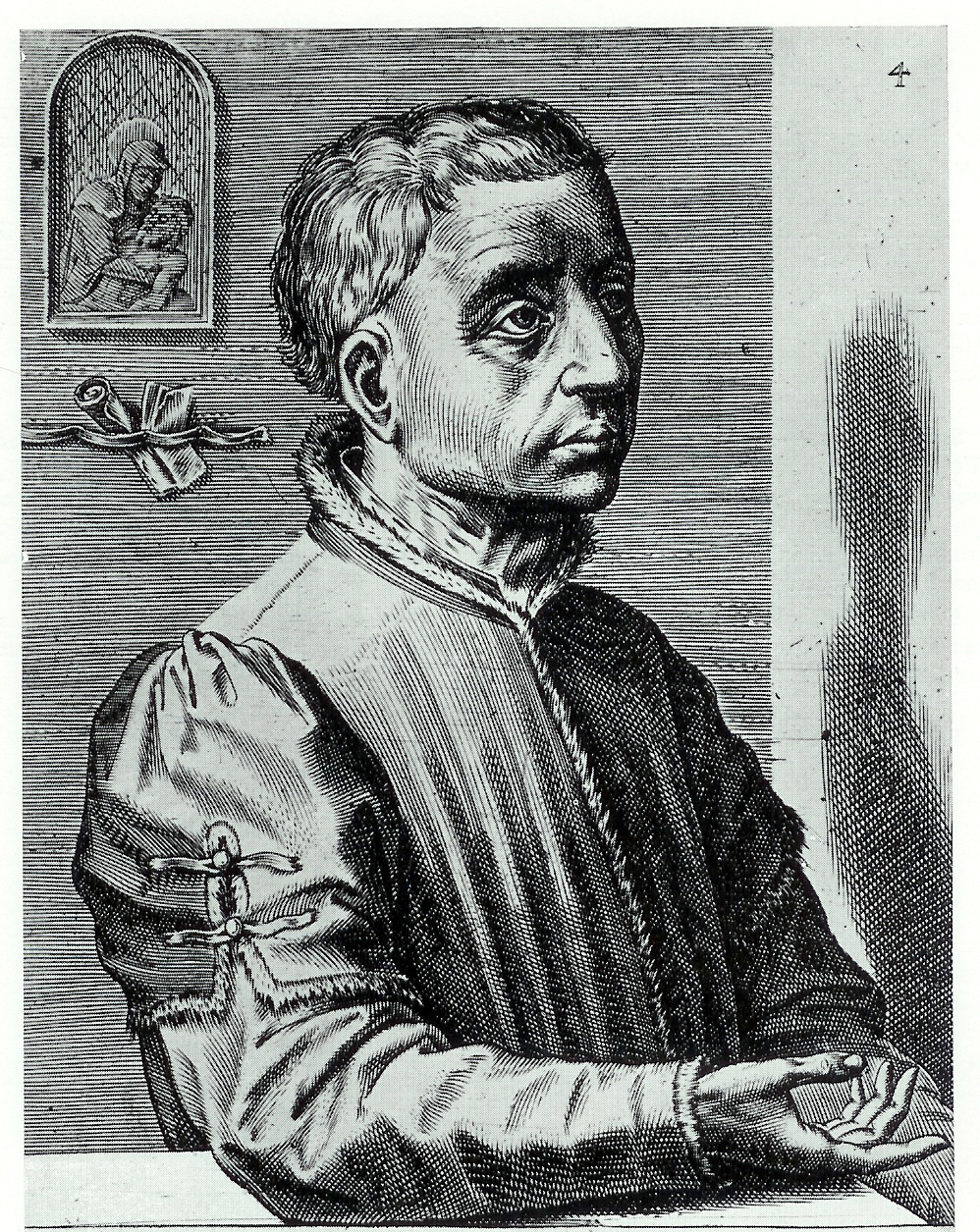
Rogier van der Weyden
(Rogier van der Weyden)
Early Netherlandish master painter whose heart-rending 'Descent from the Cross' captured intense human emotion, tears, and spiritual pathos with unparalleled precision.
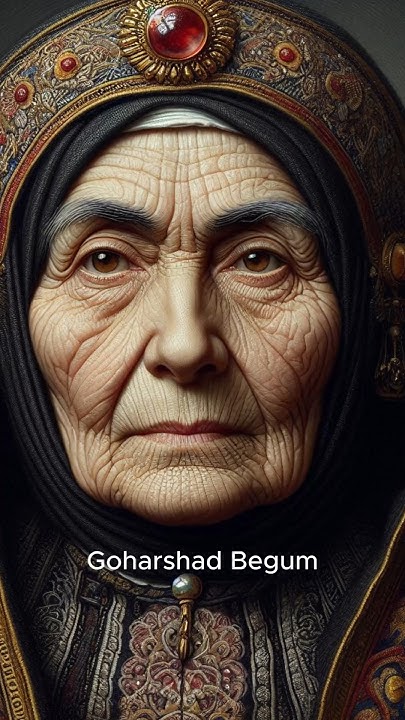
Goharshad Begum
 (گوهرشاد بیگم)
Visionary Timurid Empress, wife of Shah Rukh, whose architectural patronage built the Goharshad Mosque and sparked the 15th-century Timurid Renaissance.
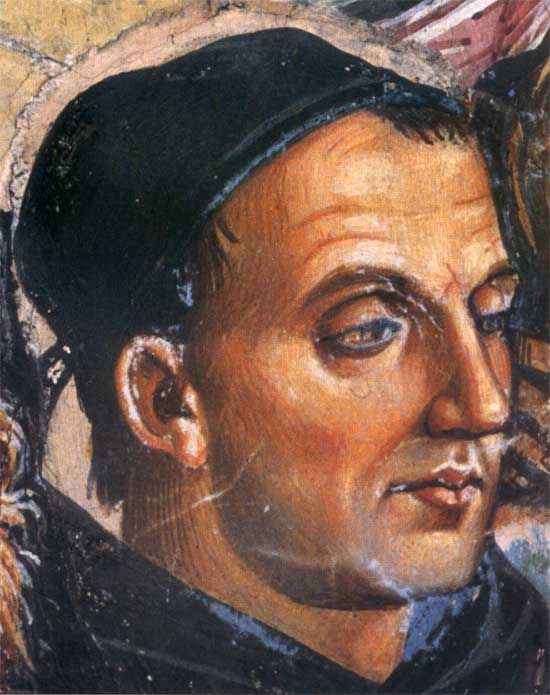
Fra Angelico
(Guido di Pietro / Beato Angelico)
Florentine Early Renaissance friar celebrated for devout, luminous frescoes and altarpieces of unearthly purity and tranquility.
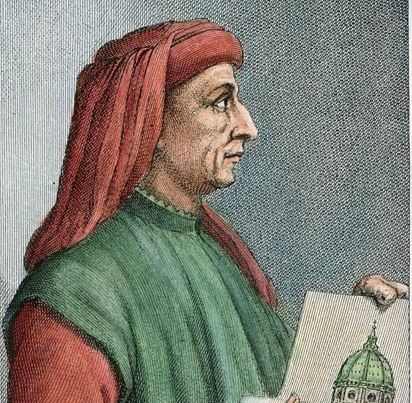
Filippo Brunelleschi
(Filippo Brunelleschi)
Florentine architectural genius who engineered the majestic dome of Florence Cathedral (Santa Maria del Fiore) without scaffolding and mathematically discovered the principles of linear perspective.
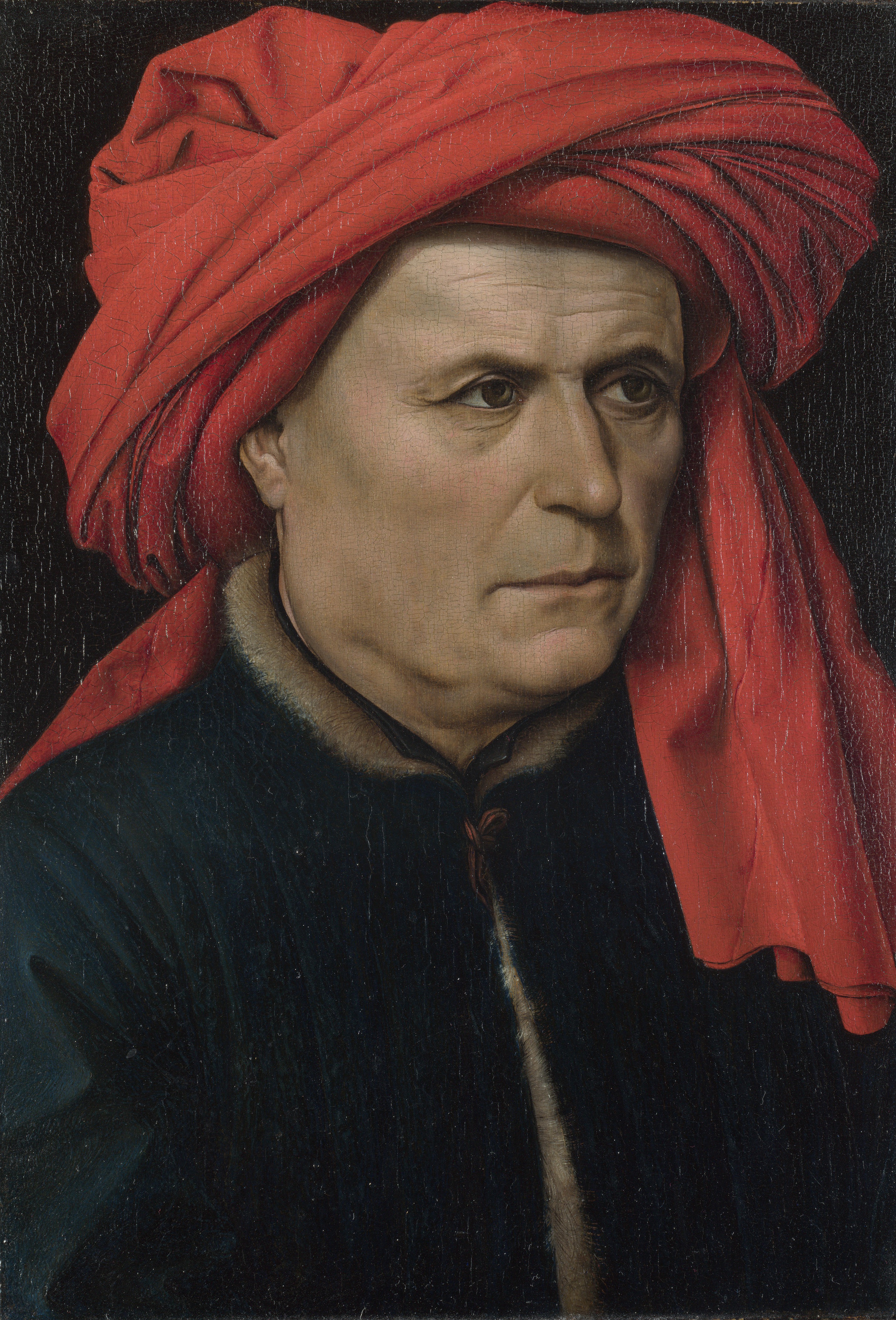
Robert Campin
 (Robert Campin)
First great master of Early Netherlandish painting alongside Van Eyck, whose 'Mérode Altarpiece' brought sacred events into realistic contemporary domestic interiors.
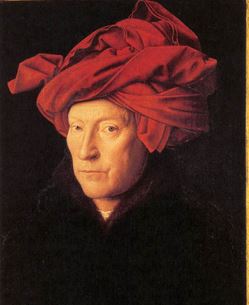
Jan van Eyck
(Jan van Eyck)
Greatest master of Early Netherlandish painting who perfected the oil painting technique, celebrated worldwide for the Ghent Altarpiece and the Arnolfini Portrait with its astonishing microscopic realism.
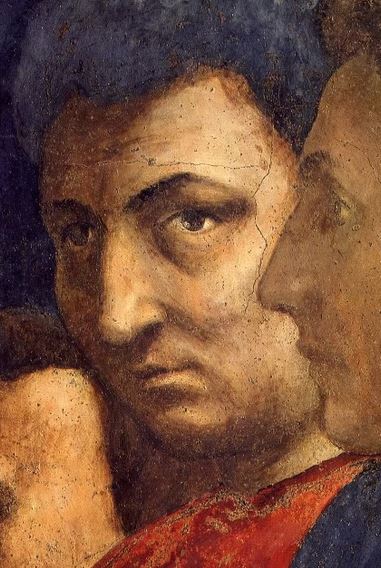
Masaccio
(Tommaso di Ser Giovanni di Simone)
Foundational Early Renaissance master whose revolutionary use of linear perspective and human gravity ignited the Florentine Renaissance.
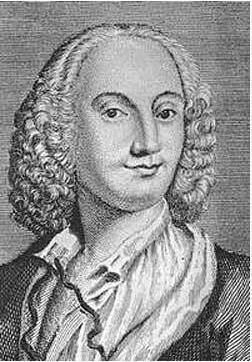
Guillaume de Machaut
(Guillaume de Machaut)
Preeminent French composer and poet of the 14th-century Ars Nova, who composed the Messe de Nostre Dame—the earliest complete polyphonic setting of the Ordinary of the Mass by a single known composer.
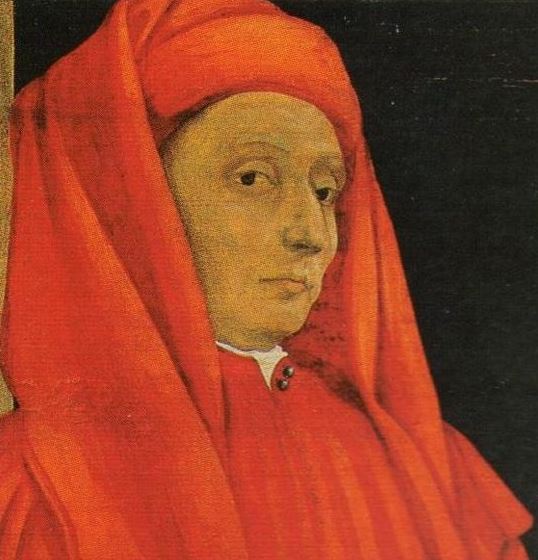
Giotto di Bondone
(Giotto di Bondone)
Florentine master painter and architect who broke decisively from flat Byzantine conventions to pioneer lifelike spatial depth, human emotional realism, and natural light in his Scrovegni Chapel frescoes.
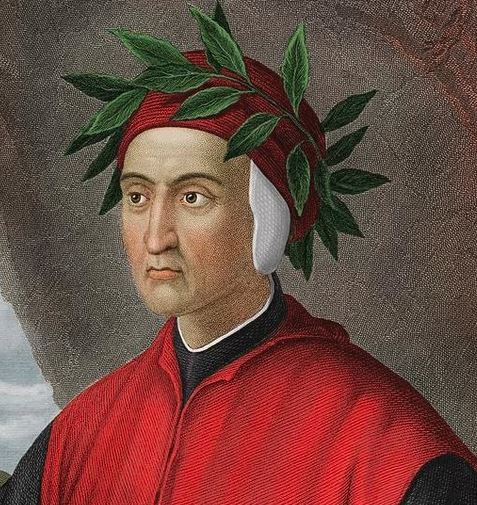
Durante di Alighiero degli Alighieri (Dante)
(Dante Alighieri)
Supreme Italian poet whose epic masterpiece, the Divine Comedy (Inferno, Purgatorio, Paradiso), created the modern Italian language and stands as the greatest literary synthesis of the medieval Christian worldview.
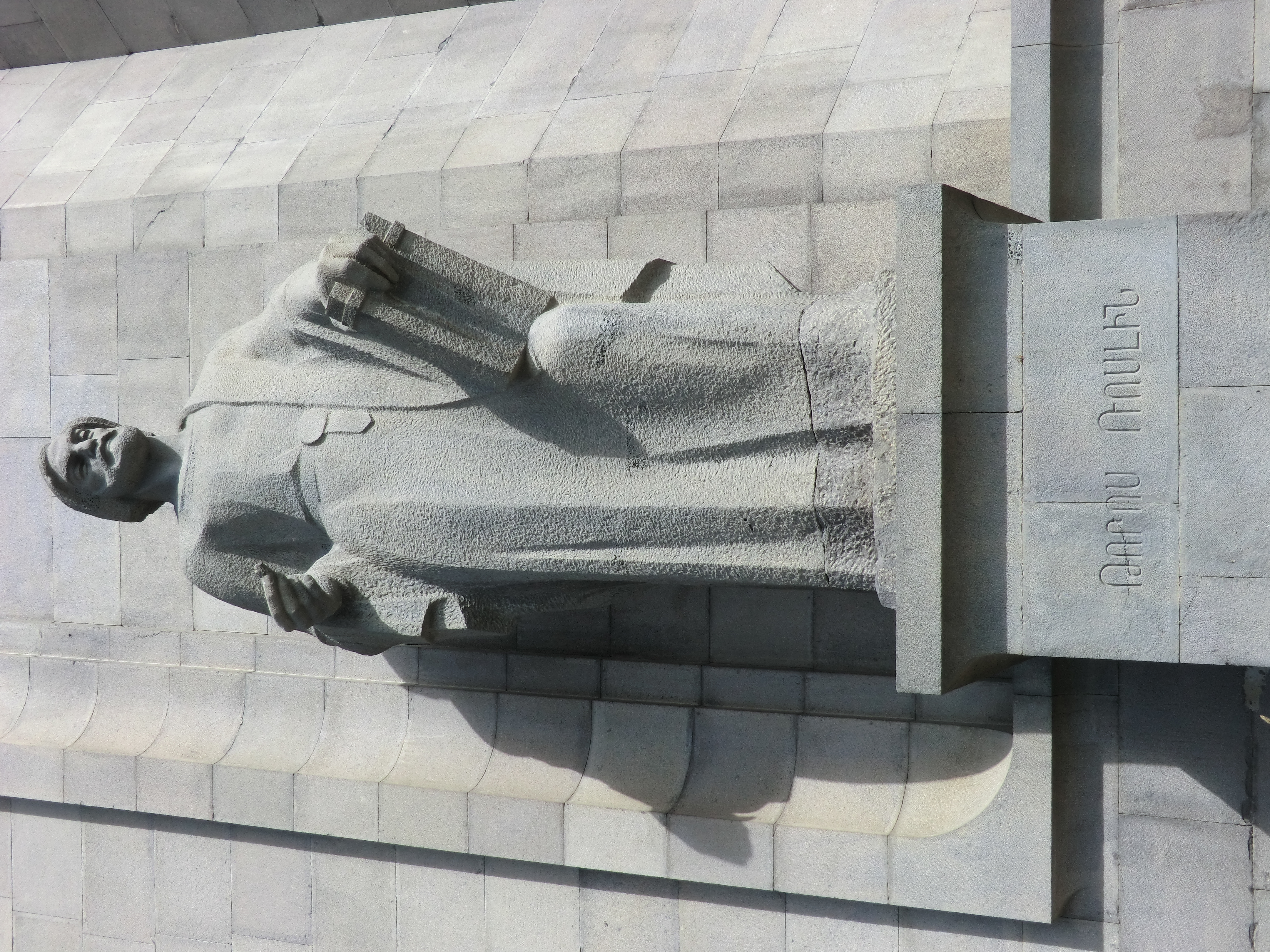
Toros Roslin
 (Թորոս Ռոսլին)
The greatest medieval manuscript illuminator and miniaturist of the Armenian Kingdom of Cilicia, whose emotional realism and delicate brushwork anticipated the Italian proto-Renaissance.
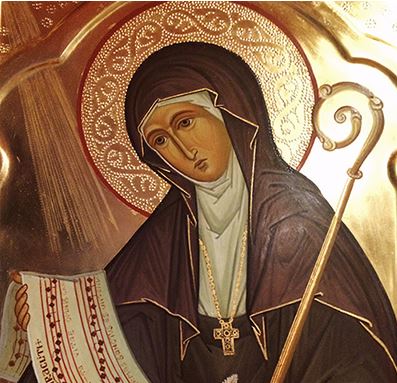
Saint Hildegard of Bingen
(Hildegard von Bingen)
Benedictine abbess, mystic, polymath, and composer whose luminous liturgical chants in Symphonia armoniae celestium revelationum and allegorical morality play Ordo Virtutum mark the summit of medieval sacred music.