Public Figures & Cultural Luminaries
Filterable archive covering centuries of intellectual, artistic, and moral contributions to the human story.
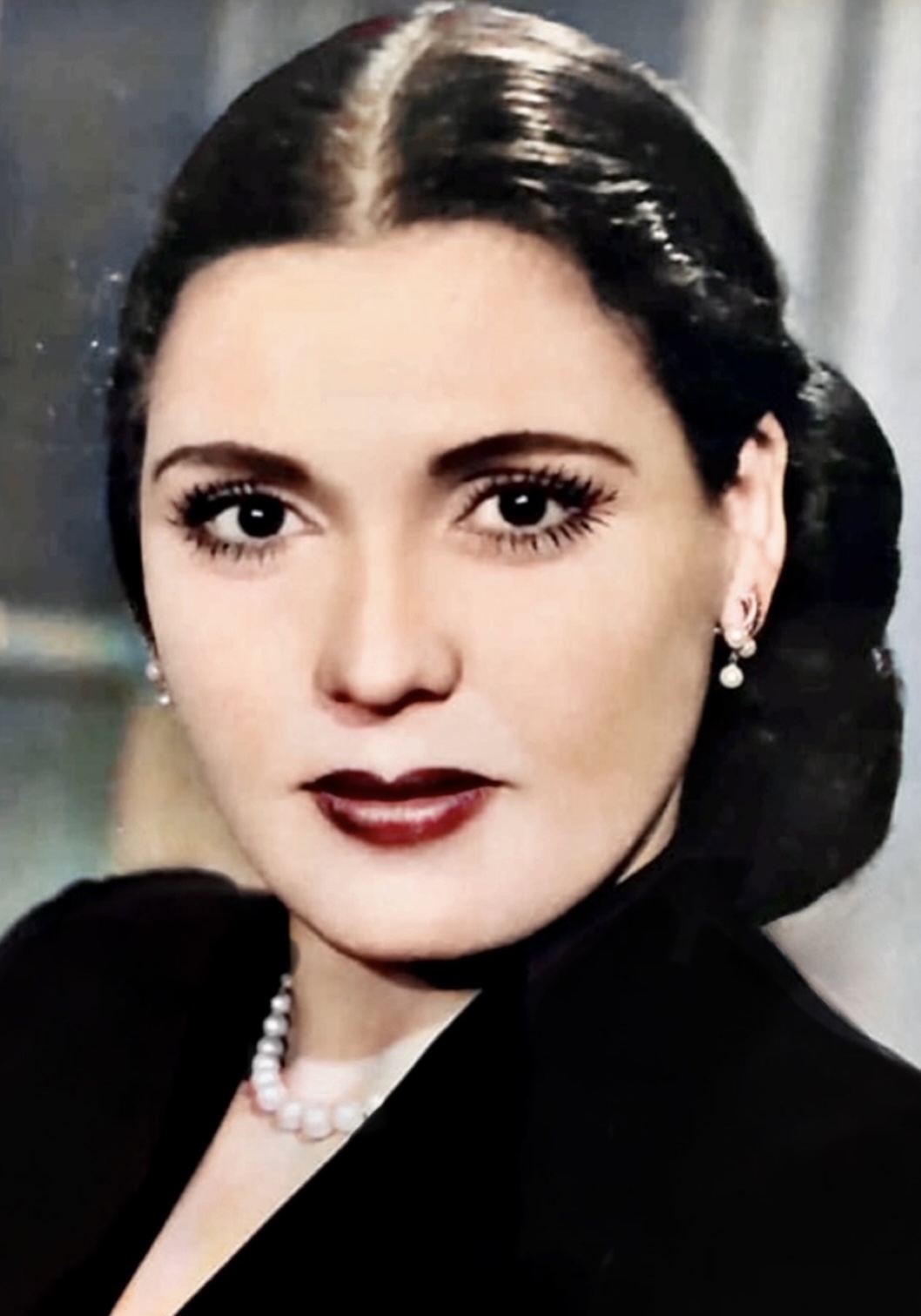
Taheyya Kariokka
 (تحية كاريوكا)
Legendary Egyptian classical dancer and actress dubbed by Edward Said as an embodied monument of Egyptian national style, renowned for her fierce anti-monarchical and anti-imperialist political activism.
Fateh Moudarres
 (فاتح المدرس)
Iconic pioneer of Syrian modern art whose textured, expressionist canvases merged ancient Assyrian-Aramaean motifs with raw human anguish.
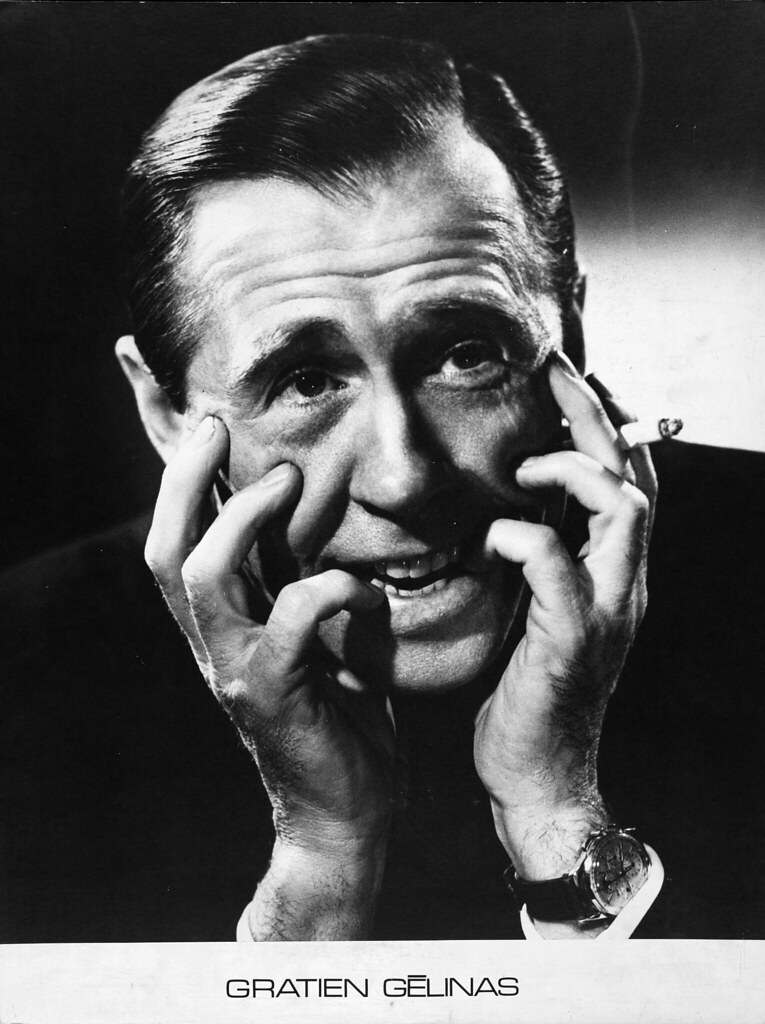
Gratien Gélinas
 (Gratien Gélinas)
The founding father of contemporary French-Canadian theater whose 1948 masterpiece Tit-Coq was the first indigenous blockbuster play to give voice to Quebec working-class reality.
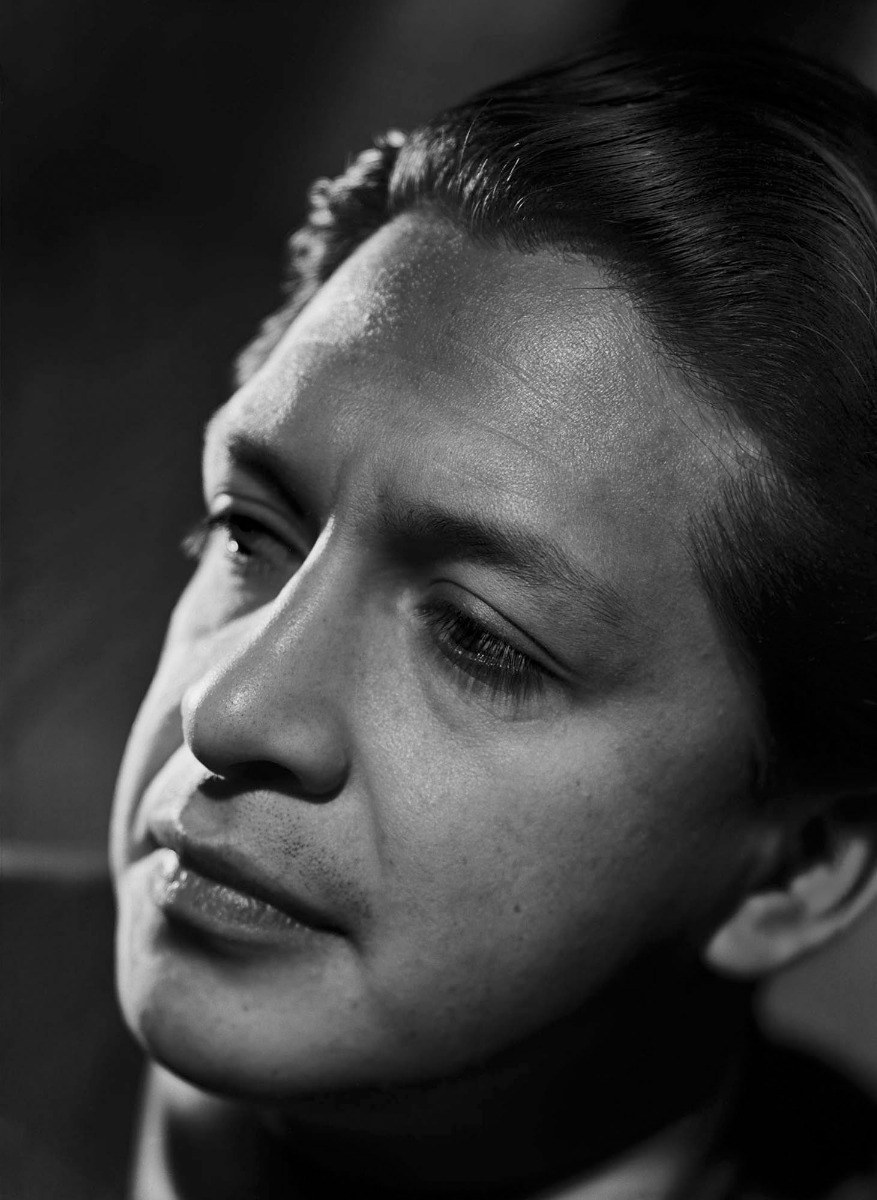
Oswaldo Guayasamin
 (Oswaldo Guayasamín Calero)
Ecuadorian painter and sculptor of Quechua-indigenous descent whose expressionist masterwork The Age of Rage (La Edad de la Ira) denounced the violence and oppression of twentieth-century tyranny.
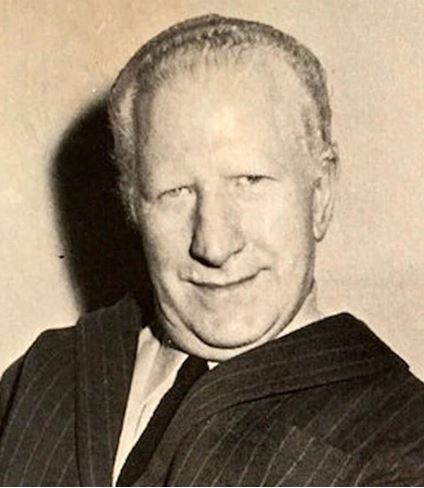
Albert Rouimi (Blond-Blond)
 (ألبير رويمي (بلوند بلوند))
Beloved Jewish-Algerian albino singer from Oran who created the joyous 'Francarabe' genre, combining Andalusian Hawzi with jazz and flamenco.
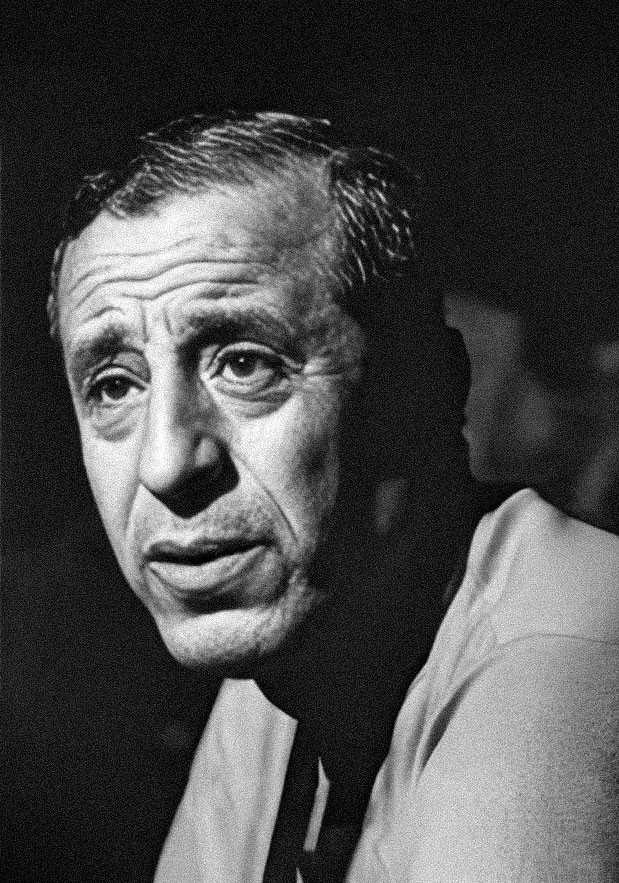
Rouiched
(رويشد (أحمد عياد))
Legendary comedic actor and dramatist of the Algerian theatre and cinema whose iconic satirical character 'Hassan Terro' captured the humorous foibles, courage, and humanity of ordinary Algerians.
Zohra Faïza
 (زهرة فائزة)
Beloved pioneer actress of Tunisian radio, cinema, and television, renowned for her role as the affectionate matriarch Ommi Traki on the historic daily radio serial that captivated the nation.
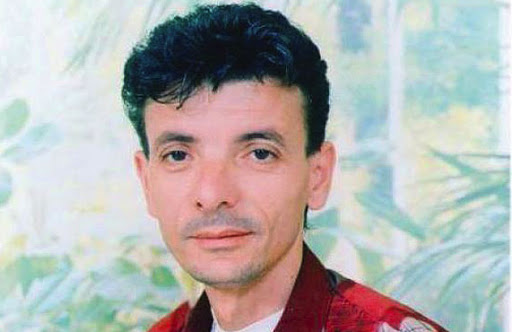
Kamel Messaoudi
(كمال مسعودي)
Modern renaissance master of Algerian Chaabi music who revolutionized the genre by giving voice to youth disillusionment, existential romance, and social despair during the Black Decade.
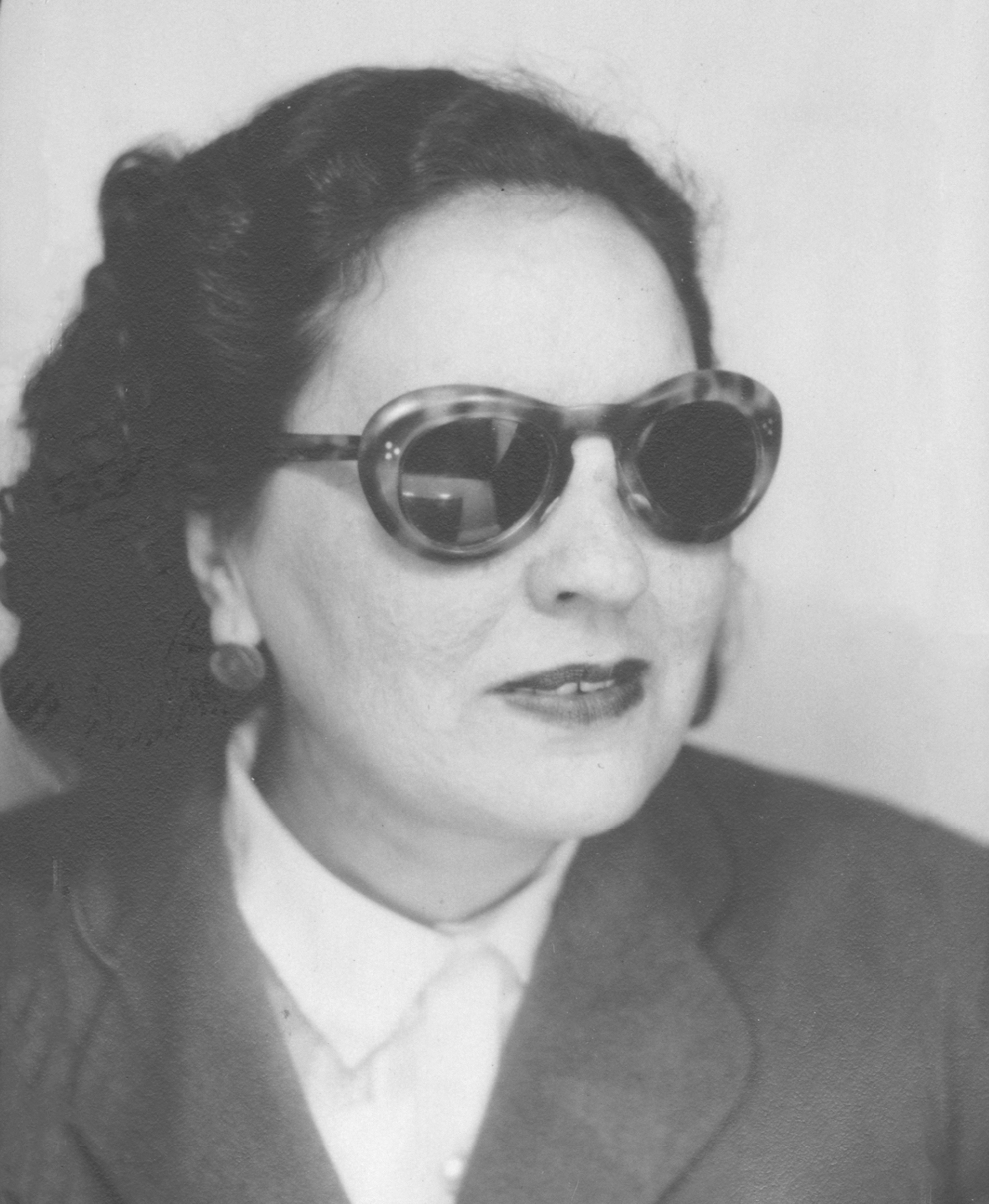
Reinette l'Oranaise
(رينات الوهرانية (سلطانة داود))
Master blind Jewish-Algerian singer and oud virtuoso whose peerless interpretations of Andalusian, Hawzi, and Chaabi music symbolized the shared Judeo-Arabic cultural heritage of Algeria.
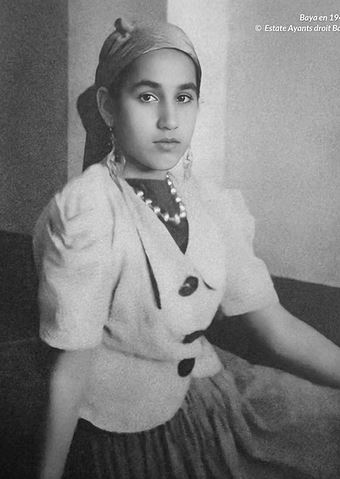
Baya Mahieddine
(باية محي الدين (فاطمة حداد))
Self-taught Algerian painter and ceramicist whose dazzling, joyful gouaches of winged women, peacocks, and musical instruments captivated Paris at age sixteen, inspiring Pablo Picasso and André Breton.
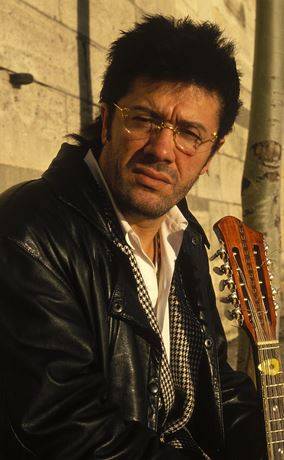
Lounès Matoub
(معطوب الوناس)
Heroic Kabyle singer-songwriter, poet, and cultural activist known as 'The Rebel' (Lwennas), whose fiery protest songs defended Amazigh cultural identity and secular democracy, assassinated in an ambush in 1998.
Bill Reid
(William Ronald Reid Jr.)
Master Haida sculptor and goldsmith who revitalized Northwest Coast Indigenous visual culture, creating monumental masterworks The Raven and the First Men and The Spirit of Haida Gwaii.
Cheikha Aïcha Bent El Bahja
 (الشيخة عائشة بنت البهجة)
Foremost female exponent of Aita Haouzia in Marrakech and the Haouz plains, skilled violinist and lead vocalist who captivated audiences in Jemaa el-Fna and celebratory moussem festivals.
Alice Fitoussi
(أليس فيتوسي)
Beloved Jewish-Algerian vocalist of Constantine Malouf and Hawzi, revered across Muslim and Jewish communities for singing classical Islamic Mawlid praise songs.
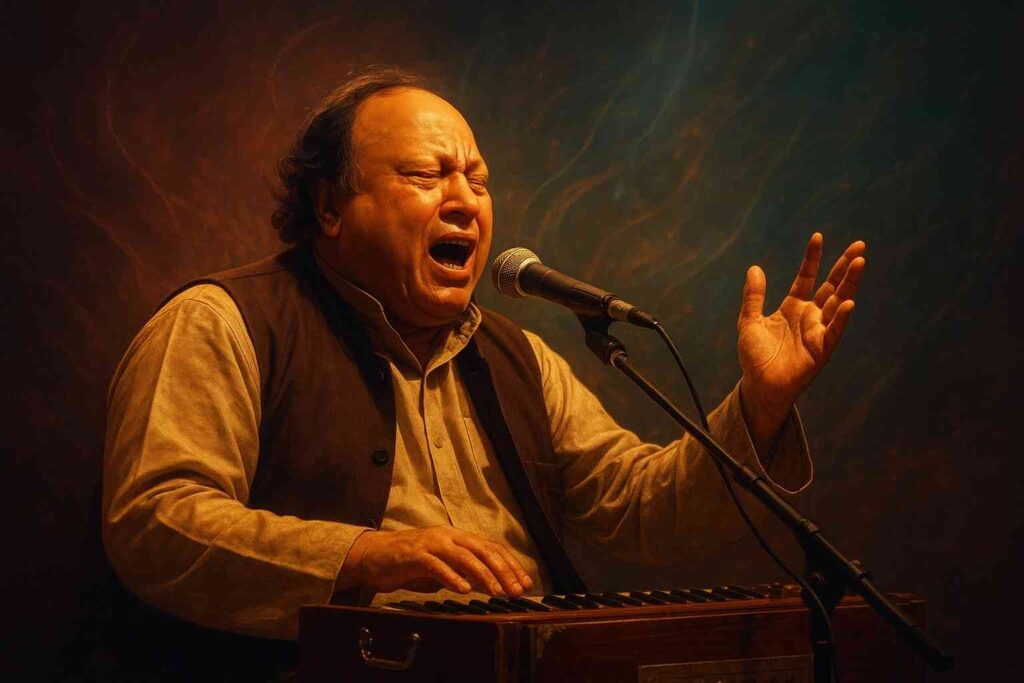
Nusrat Fateh Ali Khan
 (نصرت فتح علی خان)
'Shahenshah-e-Qawwali' (King of Kings of Qawwali) whose transcendent Sufi vocal improvisations mesmerized global audiences.
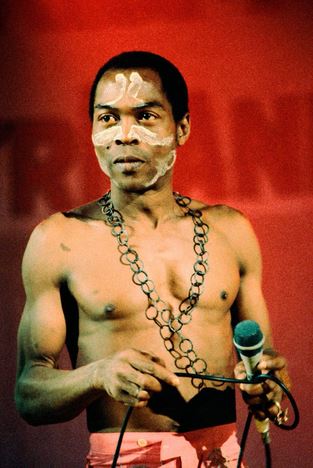
Olufela Olusegun Oludotun Ransome-Kuti (Fela Anikulapo Kuti)
 (Fela Aníkúlápó Kútì)
Legendary Nigerian musical pioneer and human rights warrior who single-handedly created Afrobeat—fusing Yoruba highlife, jazz improvisation, and funk rhythms—fearlessly challenging military dictatorship and corruption in Zombie and Sorrow, Tears and Blood.
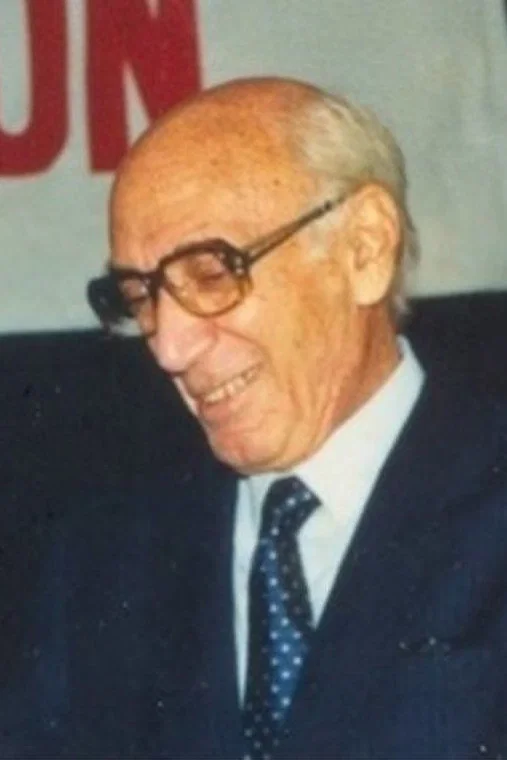
Henry Barakat
(هنري بركات)
Venerable Egyptian film director whose lyrical, emotionally poignant direction of over eighty films—most notably 'The Nightingale's Prayer' and 'The Sin'—defined the Golden Age of Egyptian Cinema, nominated for the Berlin Golden Bear and Academy Award.
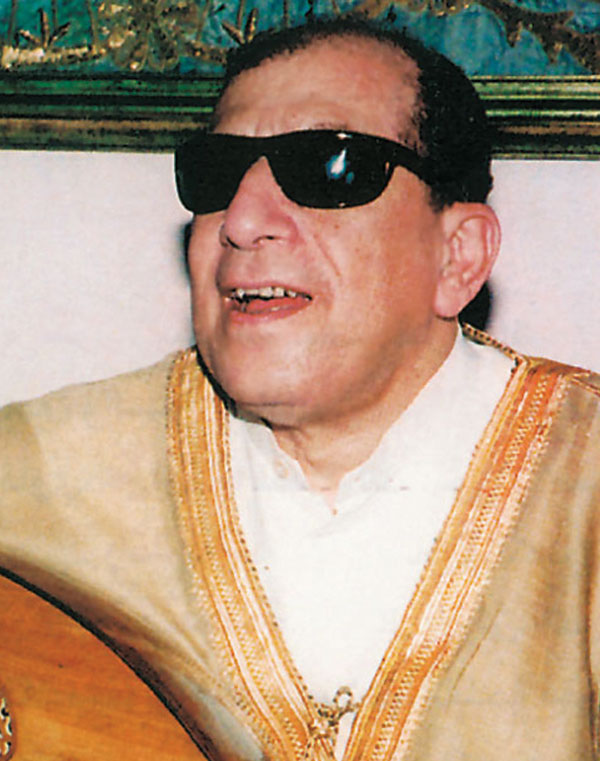
Sayed Mekawy
(سيد مكاوي)
Iconic blind Egyptian composer, singer, and cultural legend known as 'Sheikh Sayed', whose masterful operetta 'El Leila El Kebira' and timeless popular songs preserved and elevated authentic Egyptian folklore to universal acclaim.