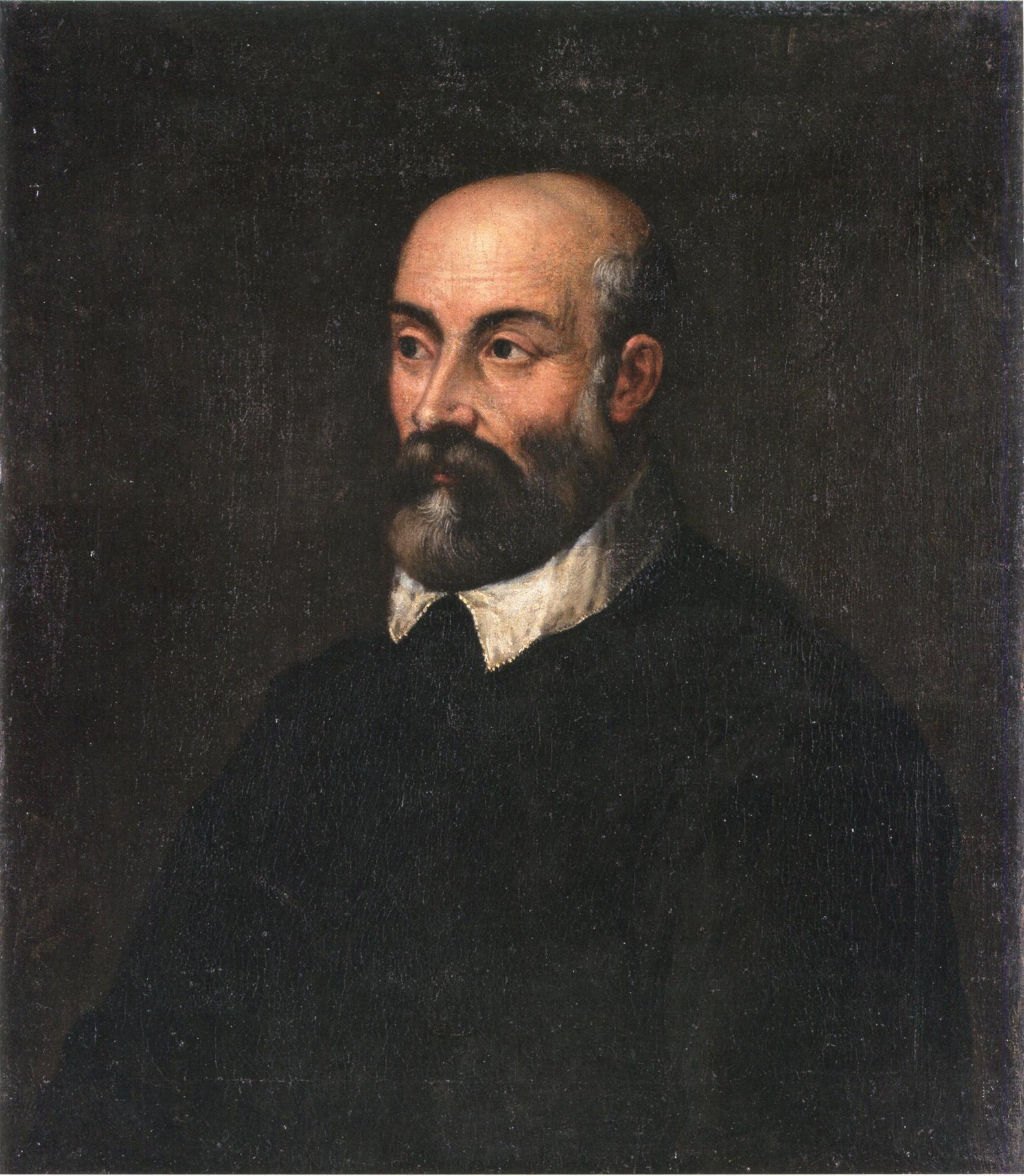
Andrea di Pietro della Gondola
Most influential architect in Western history whose 'The Four Books of Architecture' and harmonious villas (Villa Capra 'La Rotonda') created worldwide Palladianism.
Start typing to search worldwide archives and community tributes
Filterable archive covering centuries of intellectual, artistic, and moral contributions to the human story.
Most influential architect in Western history whose 'The Four Books of Architecture' and harmonious villas (Villa Capra 'La Rotonda') created worldwide Palladianism.
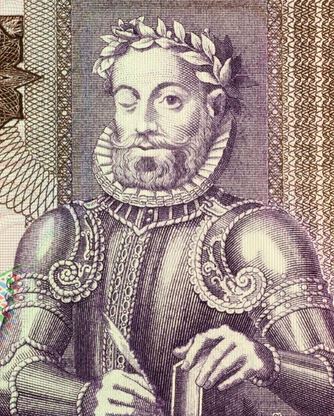
Portugal's supreme national poet and adventurer who lost his right eye in battle in Ceuta, composing the monumental national epic Os Lusรญadas (The Lusiads) in ten cantos celebrating Vasco da Gama's oceanic route to India.
De facto ruler during the Ottoman Golden Age whose exceptional administrative mastery preserved imperial strength through dynastic transitions.
Pioneering French Renaissance architect who introduced pure classical Roman proportions to Paris, designing the iconic Lescot Wing of the Louvre Palace and the Fontaine des Innocents in collaboration with Jean Goujon.
Saadian sultan who was deposed by his uncle Abd al-Malik and allied with King Sebastian of Portugal, drowning during the fateful Battle of the Three Kings (Wadi al-Makhazin) in 1578.
Brilliant Saadian Sultan who personally commanded the Moroccan army to its epochal victory at the Battle of the Three Kings (Alcรกcer Quibir) in 1578, altering European and African history.
Pasha of Algiers (1574โ1577) who played a pivotal role in the final recapture of Tunis and La Goulette from the Spanish Empire in 1574 alongside Uluj Ali.
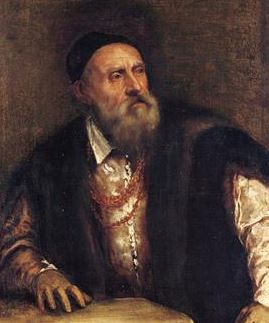
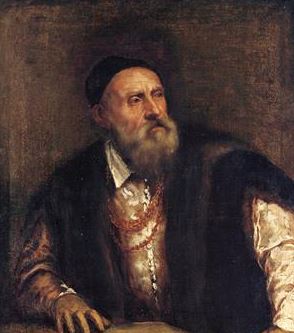
Supreme master of the Venetian school whose dynamic brushwork, vibrant colorism, and imperial portraits for Emperor Charles V revolutionized European oil painting.
Supreme giant of the Venetian School of painting whose revolutionary mastery of glowing color (*colorito*), expressive brushwork, and monumental compositions influenced generations of European painters from Rubens to Velรกzquez.
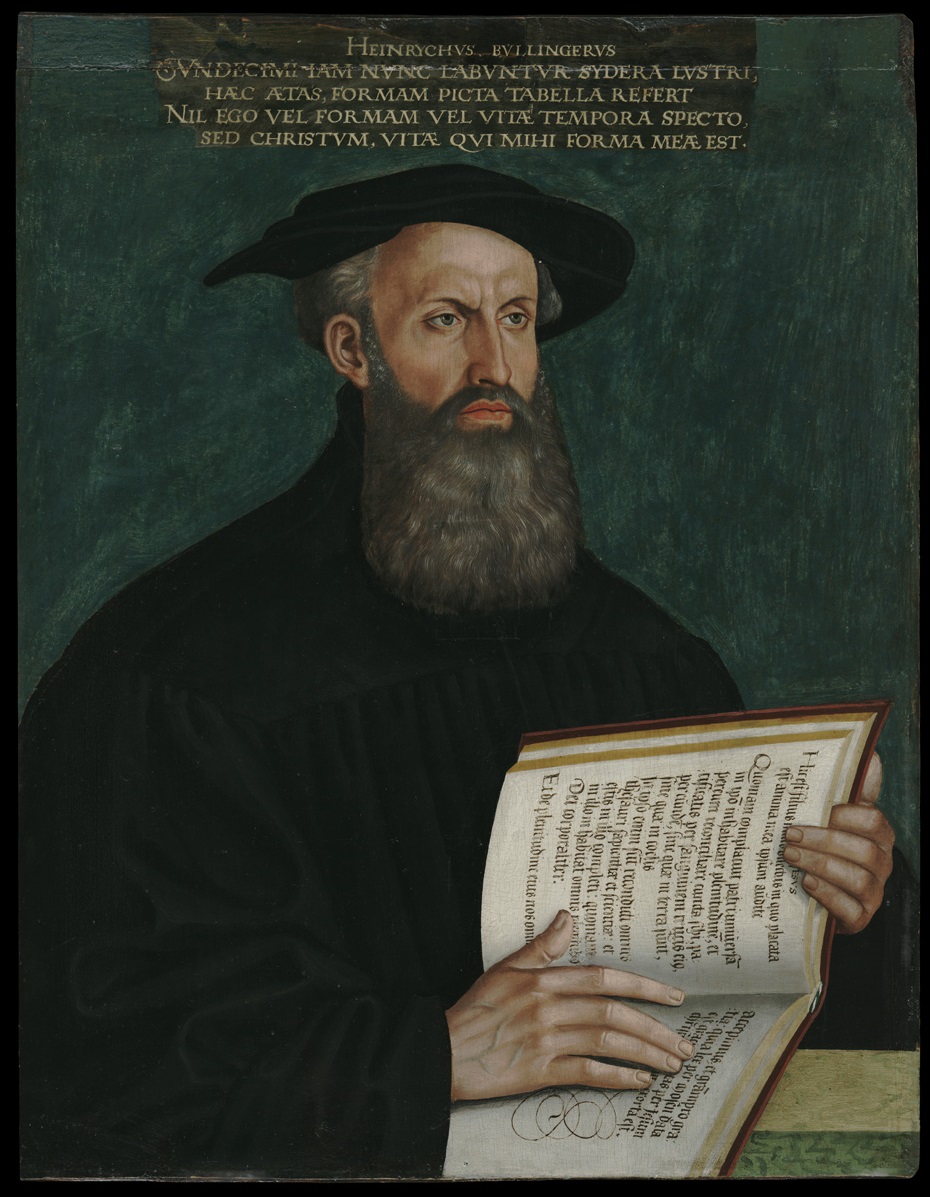
Successor to Zwingli as Antistes of Zurich for forty-four years whose 'Second Helvetic Confession' unified the Reformed churches across Europe and whose 12,000 letters guided kings.
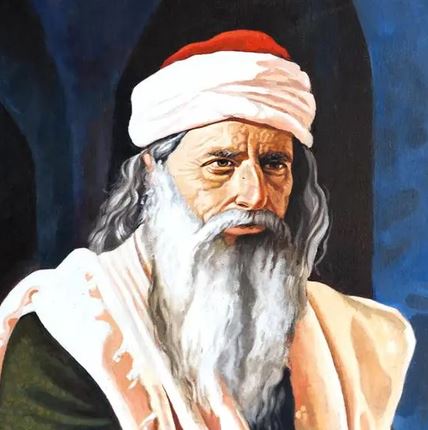
Venerated as "Maran" (Our Master). Expelled from Spain in 1492, he settled in the mystical Galilean city of Safed, authoring the Beit Yosef and the Shulchan Aruch (The Prepared Table)โthe universally authoritative code of Jewish halakhic law.
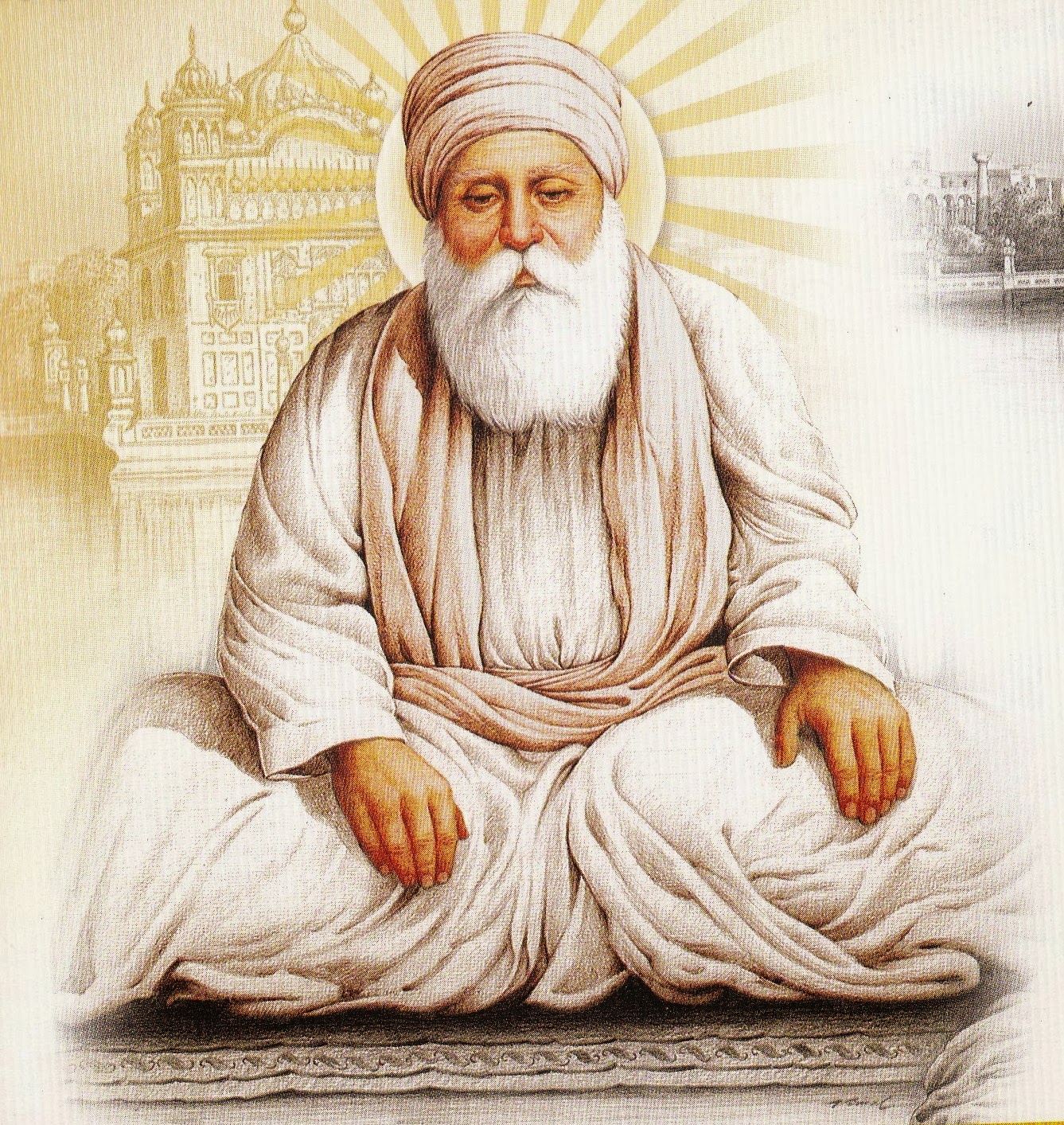
Ascending to the Guruship at the age of seventy-three after years of humble service fetching water from the river, Guru Amar Das revolutionized Punjabi society by banning the veil (purdah) and widow-burning (sati), creating the Manji system of administration.
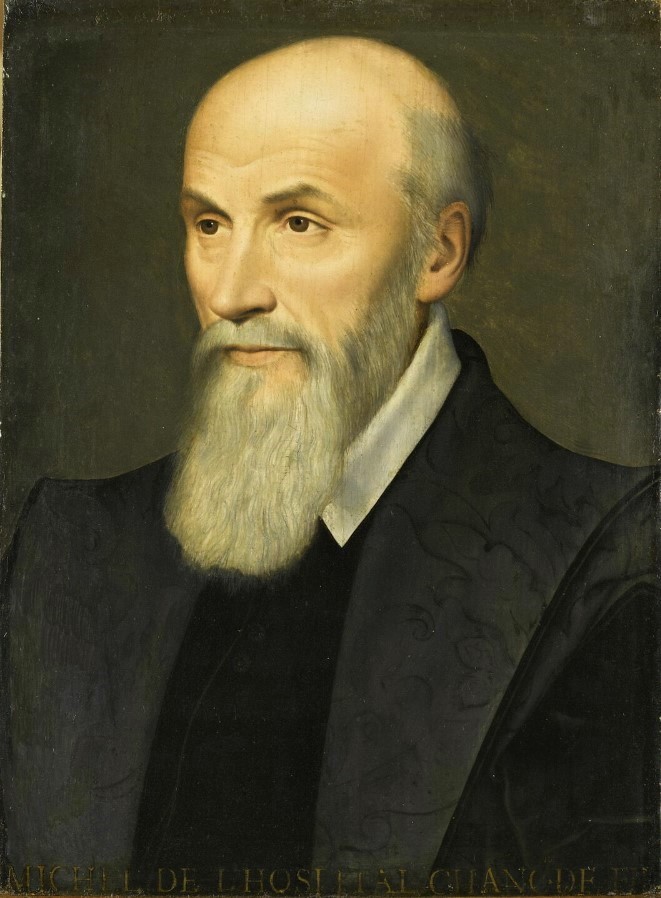
Chancellor of France and humanist statesman who pioneered modern religious toleration and judicial reform in the Edict of Saint-Germain.
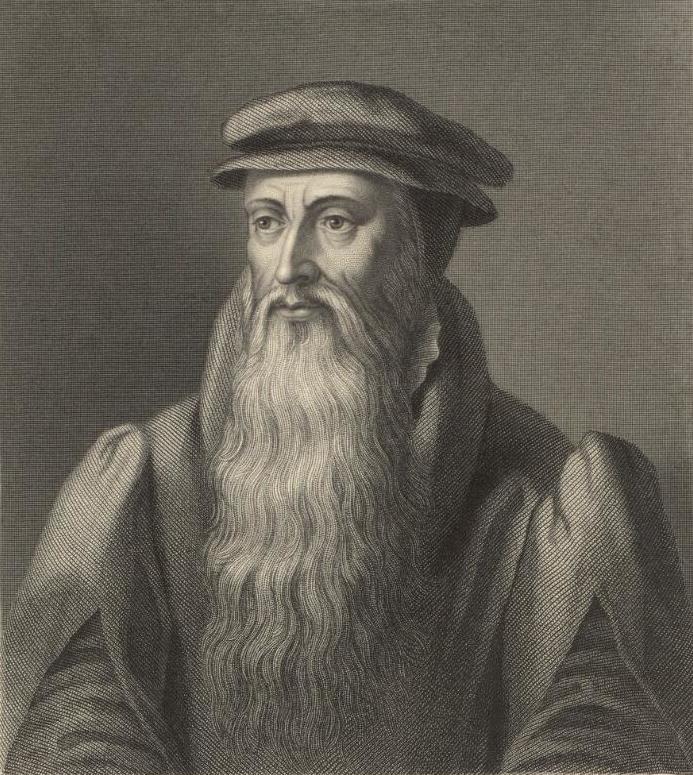
Fiery leader of the Scottish Reformation, disciple of Calvin, and founder of the Presbyterian Church of Scotland who defied Mary, Queen of Scots in defense of the Reformed faith.
Supreme kabbalist of Safed whose revolutionary mystical doctrines of Tzimtzum (divine contraction), Shevirat HaKelim (shattering of the vessels), and Tikkun Olam reshaped Judaism.
Son of Hayreddin Barbarossa and Algerian Berber mother who served three terms as ruler of Algiers, successfully defending the Regency against Spanish invasions and Moroccan sieges.
Eminent Safed kabbalist and master synthesizer whose works 'Pardes Rimonim' and 'Tomer Devorah' harmonized Zoharic mysticism with profound personal ethics.
Greatest French Renaissance architectural theorist and engineer who served as royal architect to Henry II and Catherine de' Medici, designing Chรขteau d'Anet, the Tuileries Palace, and inventing curved timber construction.