Miguel de Cervantes Saavedra
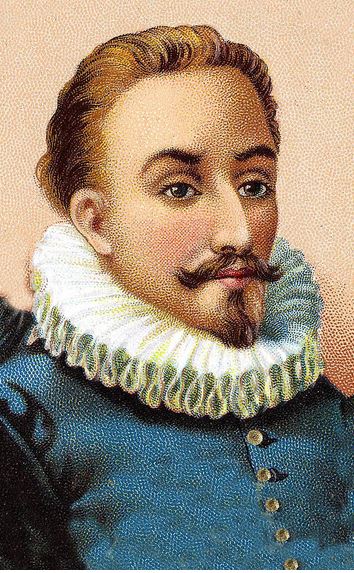
Titan of the Spanish Golden Age and creator of Don Quixote de la Mancha (1605/1615), universally revered as the first modern European novel and the eternal archetype of the noble dreamer tilting at windmills.
Start typing to search worldwide archives and community tributes
Filterable archive covering centuries of intellectual, artistic, and moral contributions to the human story.
Titan of the Spanish Golden Age and creator of Don Quixote de la Mancha (1605/1615), universally revered as the first modern European novel and the eternal archetype of the noble dreamer tilting at windmills.
Celebrated Moroccan historian, judge, and biographer whose works Jadhwat al-Iqtibas and Durrat al-Hijal provide the definitive biographical records of scholars and nobles in early modern Fez and Morocco.
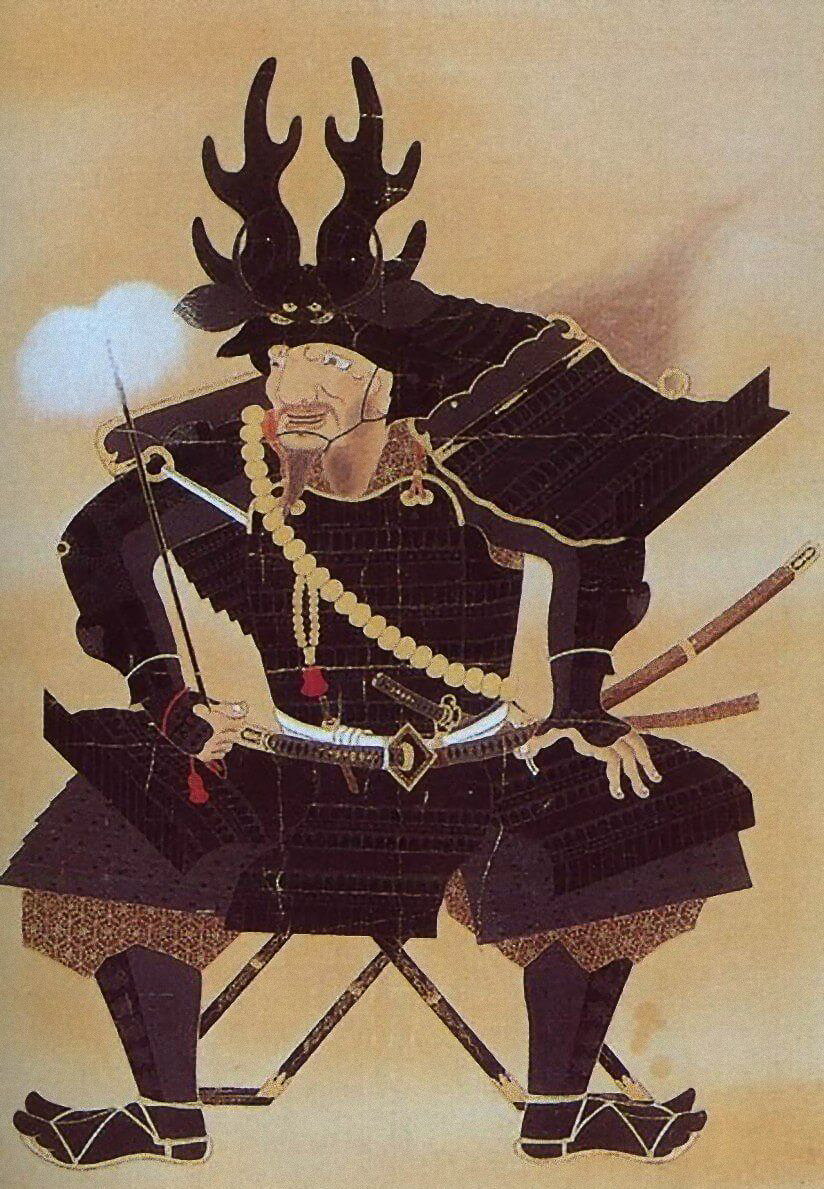
Legendary Sengoku period samurai general hailed as 'The Number One Warrior in Japan' and 'The Crimson Demon of War' for his heroic defense of Osaka Castle.
French soldier, courtier, and unabashed memoirist whose scandalous, vivid chronicles Vies des dames galantes and Vies des grands capitaines captured the intrigues, duels, and amorous escapades of the Valois Renaissance court.
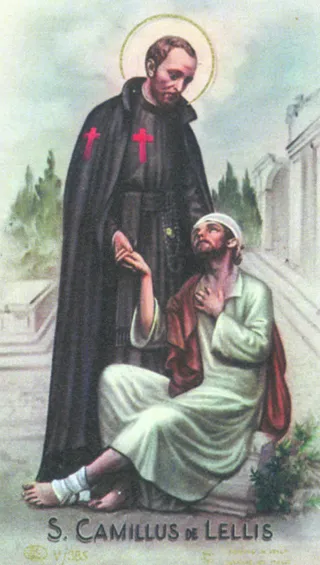
Prรชtre italien et saint, fondateur de l'Ordre des Camilliens, inventeur des premiรจres ambulances de guerre et pionnier de l'utilisation de la croix rouge sur les champs de bataille.
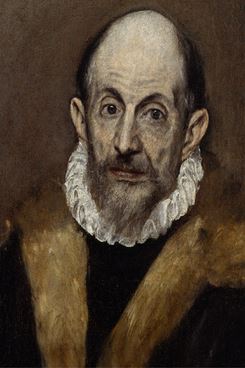
Visionary master of the Spanish Renaissance whose elongated figures and dramatic acid colors anticipated Expressionism.
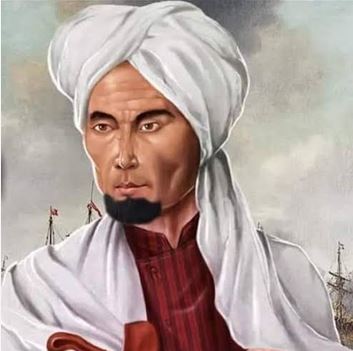
Formidable 16th-century southern Moroccan Sufi scholar, jurist, and social rebel whose religious writings condemned court corruption and who governed Marrakesh from 1610 to 1613.
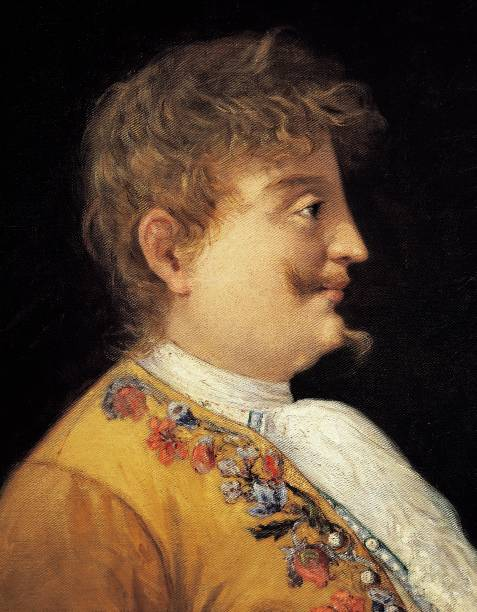
Italian Renaissance nobleman and composer whose radical, intensely chromatic madrigals and sacred responsories anticipated modern harmony by three centuries.
Venerated Mi'kmaq Grand Chief who welcomed French settlers to Port Royal in 1605, entering into the historic 1610 Concordat with the Holy See.
Distinguished scholar and judge of Taroudant who codified customary Berber tribal covenants within classical Maliki jurisprudence during the Saadian renaissance.
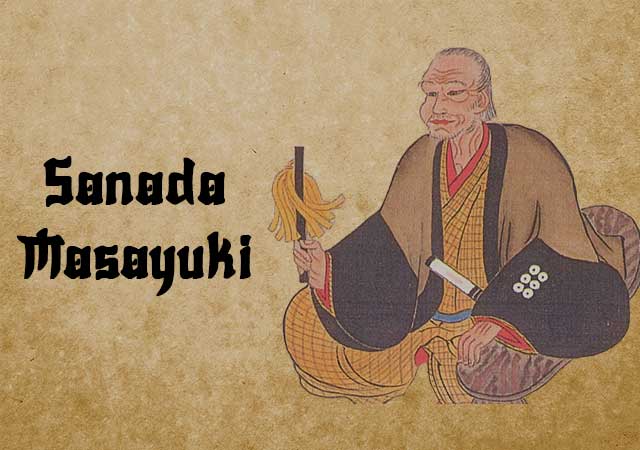
Fabled Japanese samurai warrior and general of Tokugawa Ieyasu, one of the 'Four Heavenly Kings of the Tokugawa', who fought in over fifty-seven battles without ever receiving a significant wound.
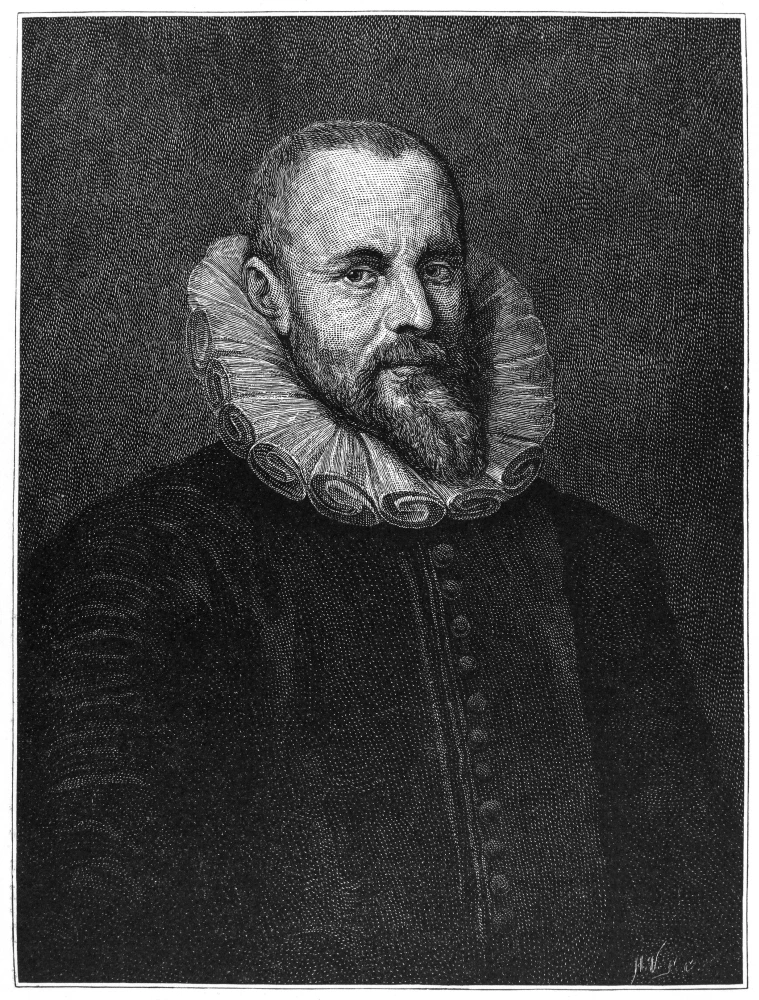
Antwerp humanist scholar and printer who inherited the Officina Plantiniana from his father-in-law Christophe Plantin, expanding the publishing empire and publishing the seminal works of Justus Lipsius.
Dey of Tunis from 1598 to 1610 who transformed the city into an autonomous commercial power and generously welcomed over 50,000 Morisco refugees expelled from Spain in 1609.
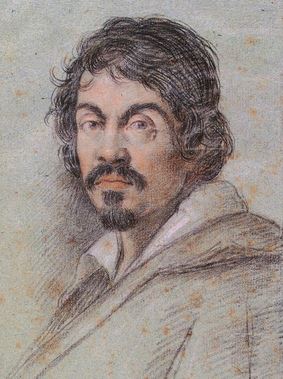
Revolutionary Italian Baroque painter who electrified Europe by casting dramatic spotlight beams through pitch-black shadows (tenebrism) and depicting saints and martyrs with unsparing, gritty plebeian realism.
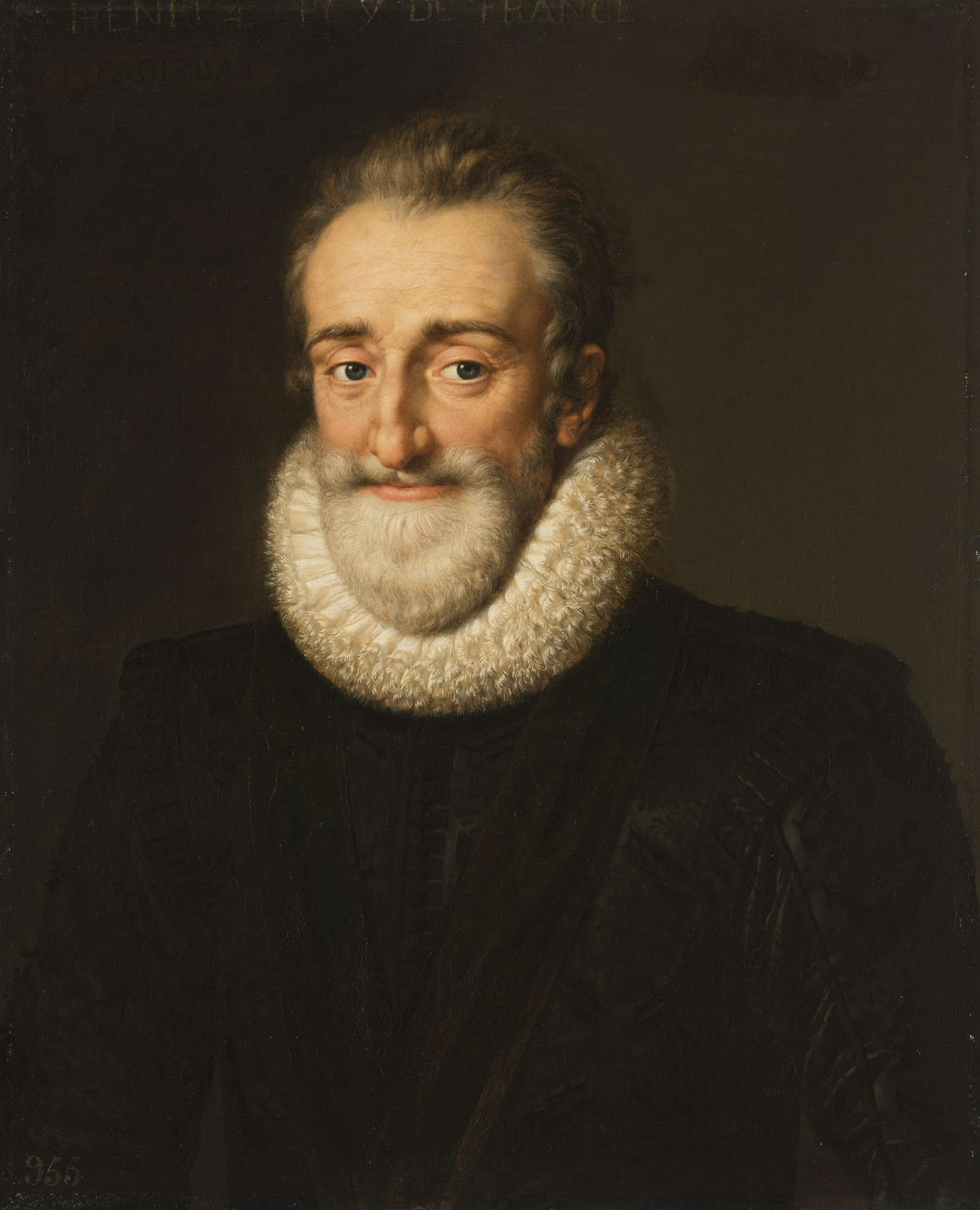
First Bourbon King of France who ended the Wars of Religion by issuing the Edict of Nantes and promised 'a chicken in every pot'.
Master Moroccan artisan and woodcarver who directed the execution of the intricate carved cedarwood ceilings and calligraphic stuccowork of the Saadian Tombs and El Badi Palace in Marrakech.
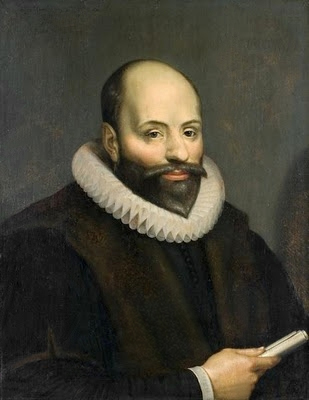
Dutch Reformed theologian and professor at Leiden University whose challenge to strict Calvinist predestination founded Arminianism, affirming human free will and conditional election.
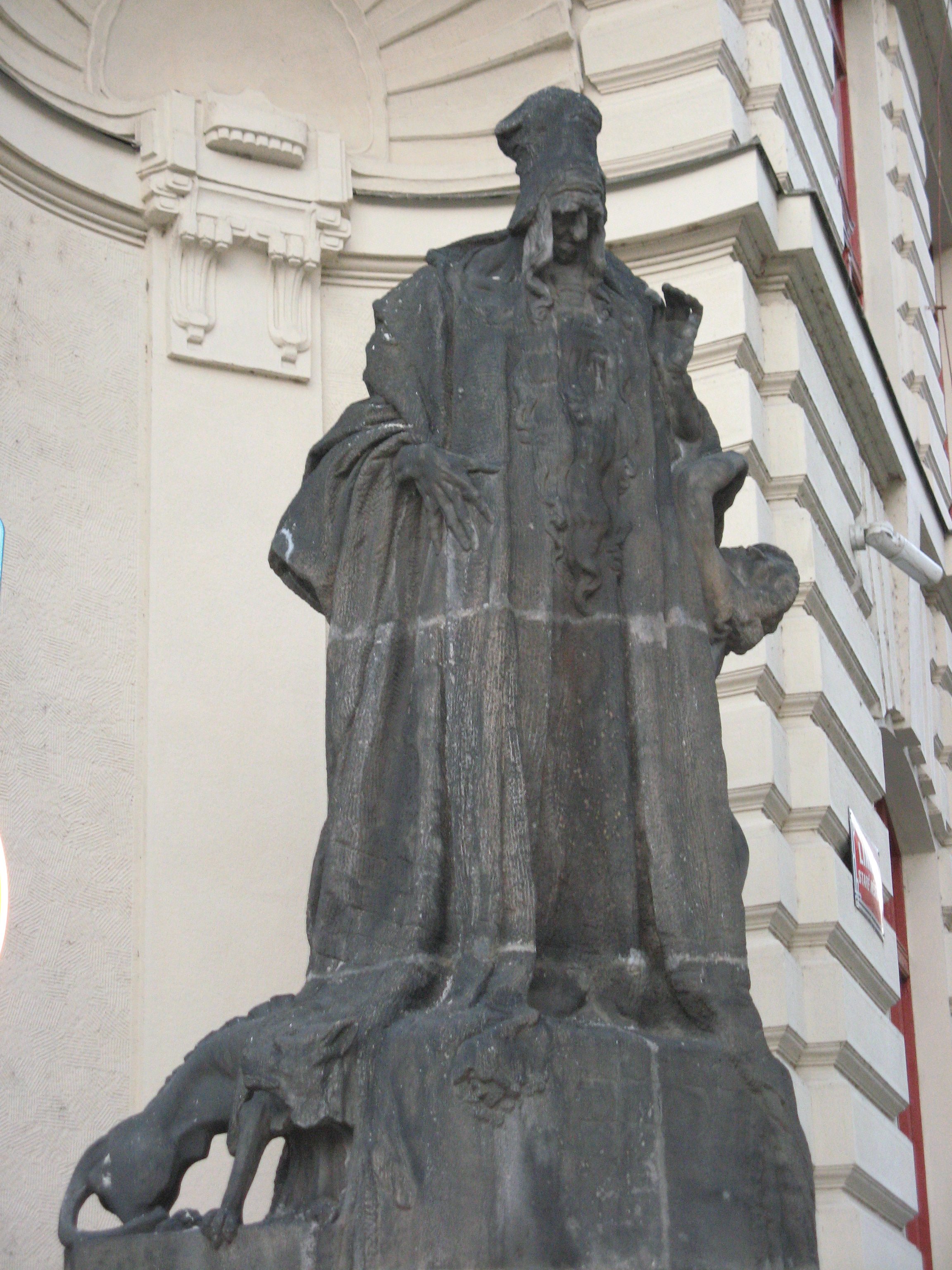
Towering Central European talmudist, philosopher, and mystic legendary for the creation of the Golem and celebrated for his profound dialectical philosophy of Torah and nature.