Paul-Émile Borduas
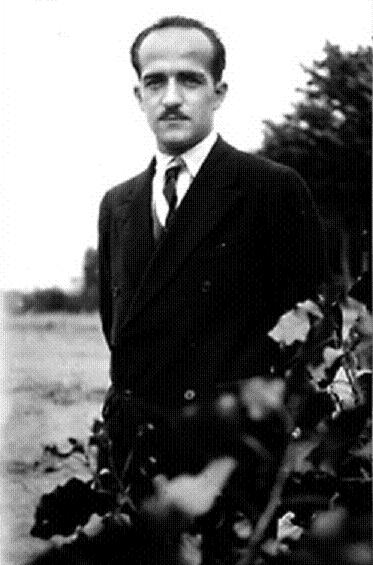
Revolutionary abstract painter who founded the Automatiste movement and drafted the 1948 Refus Global manifesto, which shattered Catholic authoritarianism in Quebec and triggered the Quiet Revolution.
Start typing to search worldwide archives and community tributes
Filterable archive covering centuries of intellectual, artistic, and moral contributions to the human story.
Revolutionary abstract painter who founded the Automatiste movement and drafted the 1948 Refus Global manifesto, which shattered Catholic authoritarianism in Quebec and triggered the Quiet Revolution.
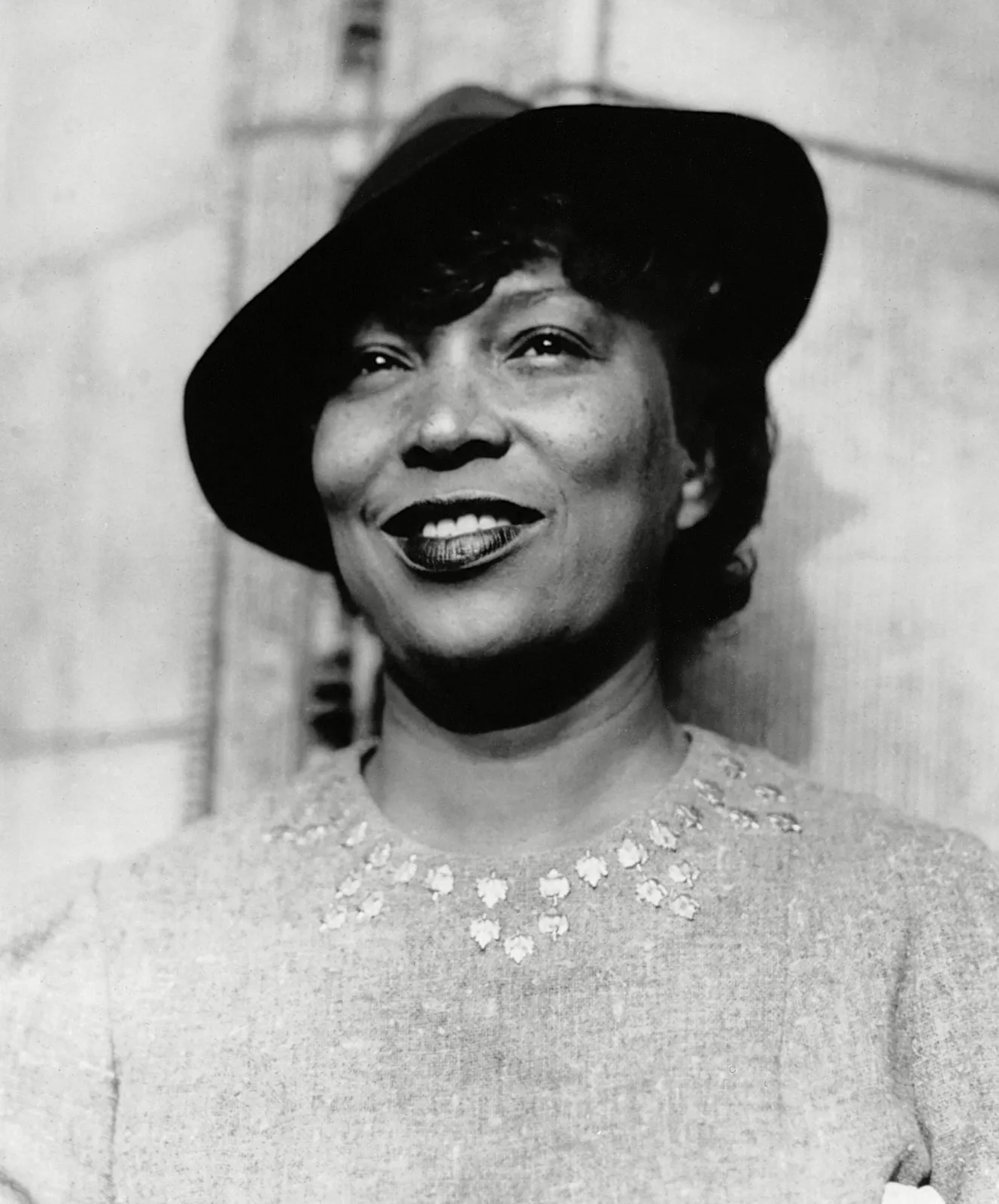
Harlem Renaissance author and anthropologist whose masterwork Their Eyes Were Watching God celebrated Southern Black folklore and female independence.
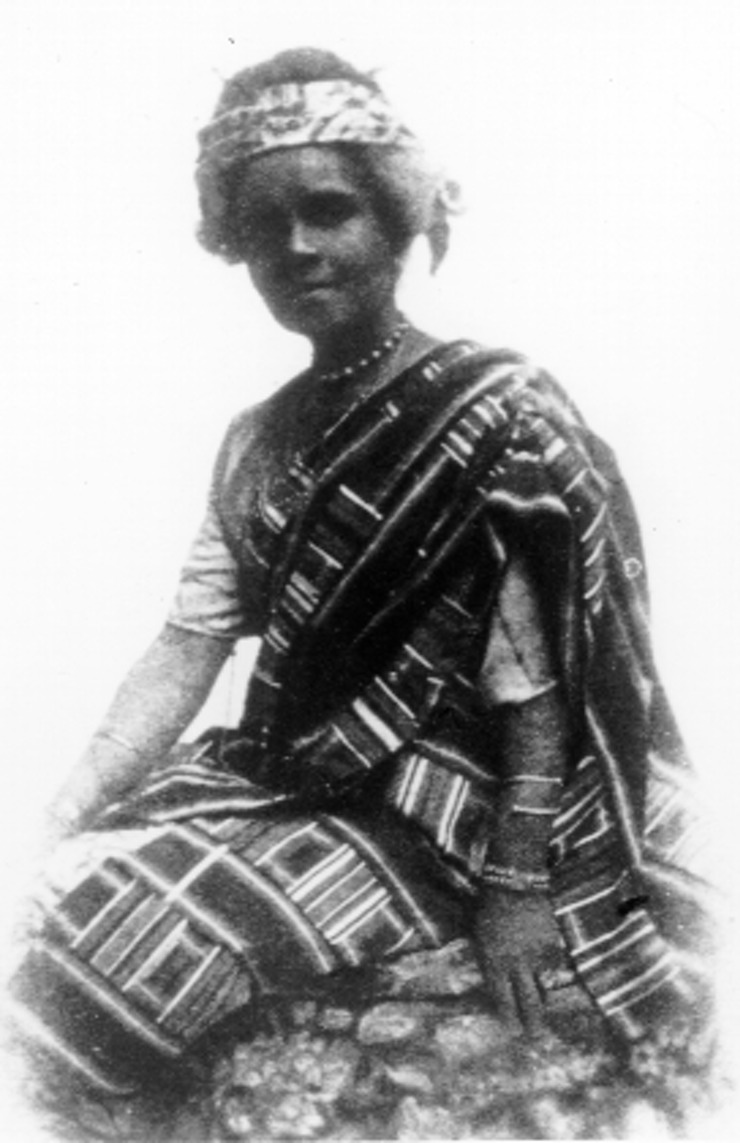
Sierra Leonean Victorian-era educator, feminist pioneer, and writer who founded the Girls' Vocational School in Freetown to instill racial pride and technical independence in African girls.
Revolutionary innovator hailed as the 'father of modern Persian poetry' whose 1922 poem 'Afsaneh' shattered classical prosody to create 'New Poetry'.
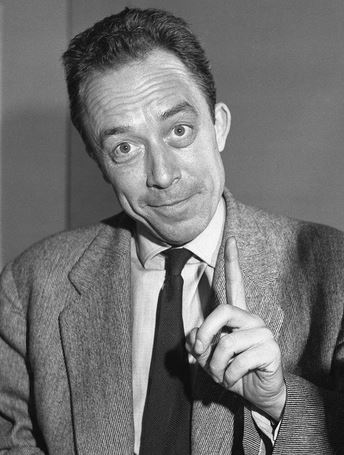
French-Algerian existentialist novelist and 1957 Nobel laureate whose philosophy of the Absurd and revolt—in The Stranger (L'Étranger), The Myth of Sisyphus, and The Plague—urged humanity to 'imagine Sisyphus happy' in defiant lucidity.
Foundational master of world silent cinema whose masterpiece 'The Phantom Carriage' (1921) revolutionized double-exposure cinematography and who starred in Bergman's 'Wild Strawberries'.
Quebec premier whose hundred-day premiership and slogan "Désormais" (Henceforth) modernized Quebec's political culture, opening the door to the Quiet Revolution.
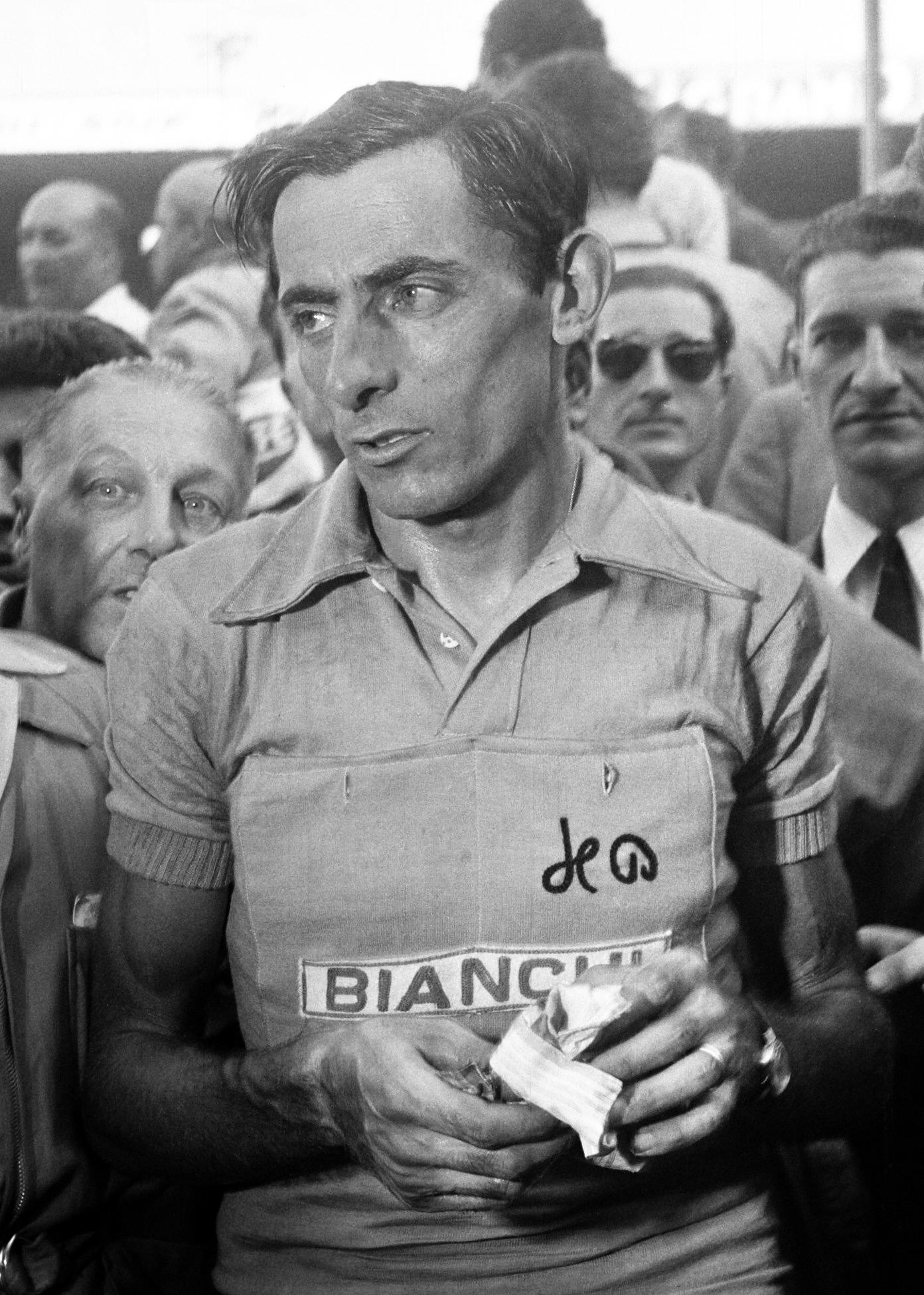
Italian racing cyclist heralded as 'Il Campionissimo', five-time Giro d'Italia and two-time Tour de France champion, revolutionary figure of cycling.
Revered Saharan scholar and judge of Timimoun who preserved thousands of centuries-old manuscripts in the red-mud 'Khizanat' libraries of the Gourara desert.
Master modernist painter celebrated for his fluid, luminous depictions of the opera, ballet dancers, circus performances, and the bustling maritime streets of Alexandria.
Pioneering folk vocalist who brought North Bengal's 'Bhawaiya' and riverine 'Bhatiyali' boatmen songs onto commercial gramophone records, establishing the foundation of recorded Bengali folk music.
Incandescent idol of French stage and cinema who embodied the post-war youth of France, icon of the Théâtre National Populaire (TNP) at Avignon in Le Cid and The Prince of Homburg, and dashing star of Fanfan la Tulipe.
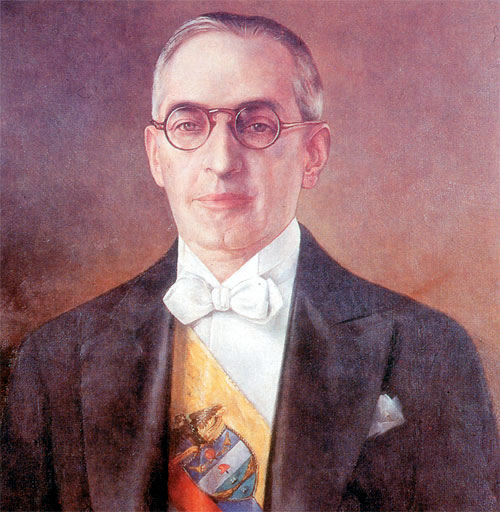
Transformative Liberal President whose 'Revolución en Marcha' (1934–1938) revolutionized Colombian labor rights, instituted agrarian land distribution, reformed taxes, and built the National University.
First great martyr of Equatorial Guinean independence, an agrarian leader who organized the 'Cruzados' resistance movement and was murdered by Spanish colonial authorities in 1959.
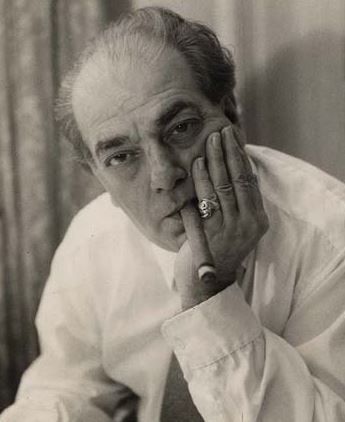
Preeminent Latin American classical composer who synthesized indigenous Brazilian folk traditions, urban choro rhythms, and Bachian counterpoint into over two thousand works, including the beloved Bachianas Brasileiras and Chôros.
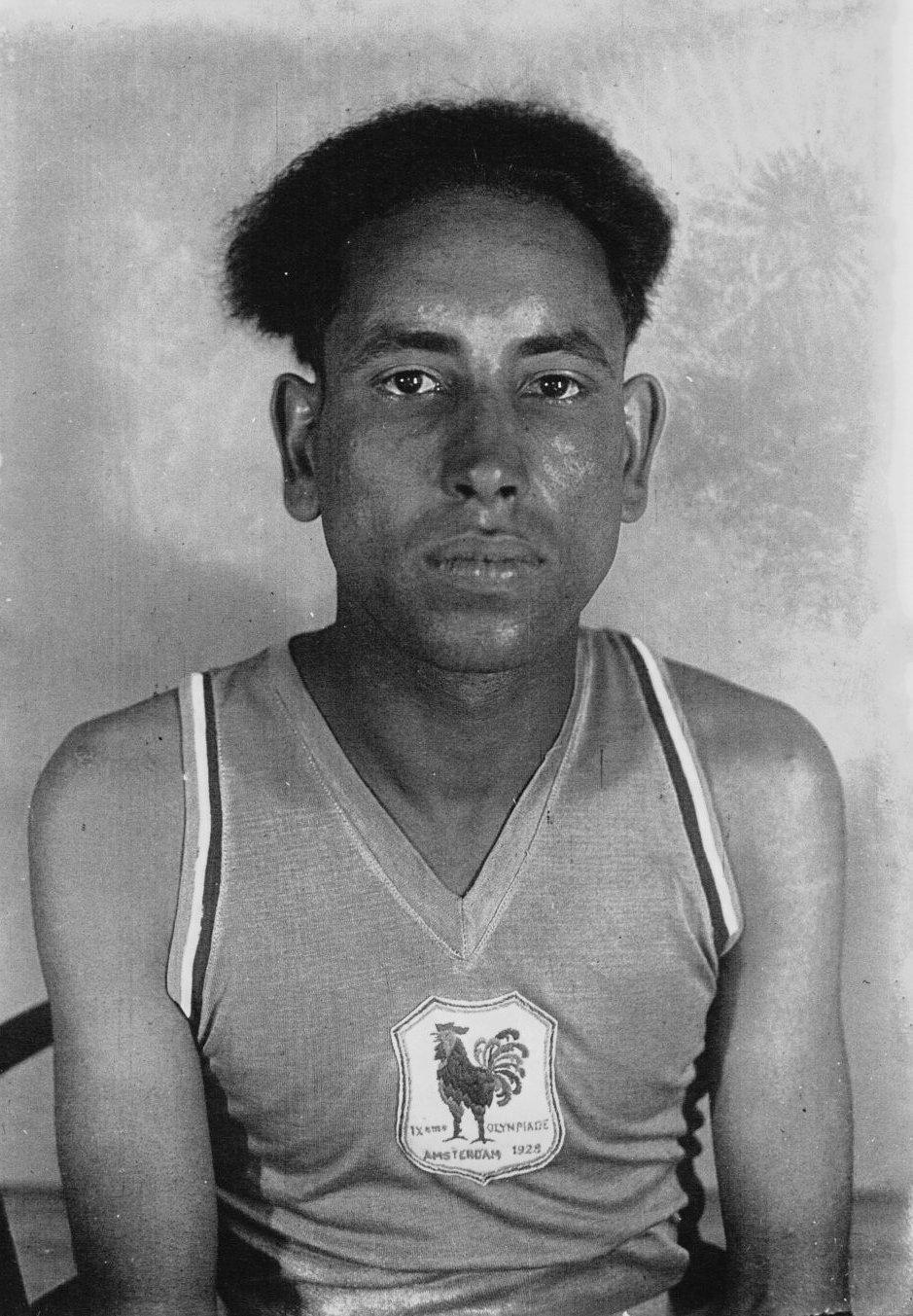
Pioneering Algerian distance runner who won the Olympic Marathon Gold Medal for France at the 1928 Amsterdam Olympic Games, making history as the first indigenous African Olympic gold medalist.
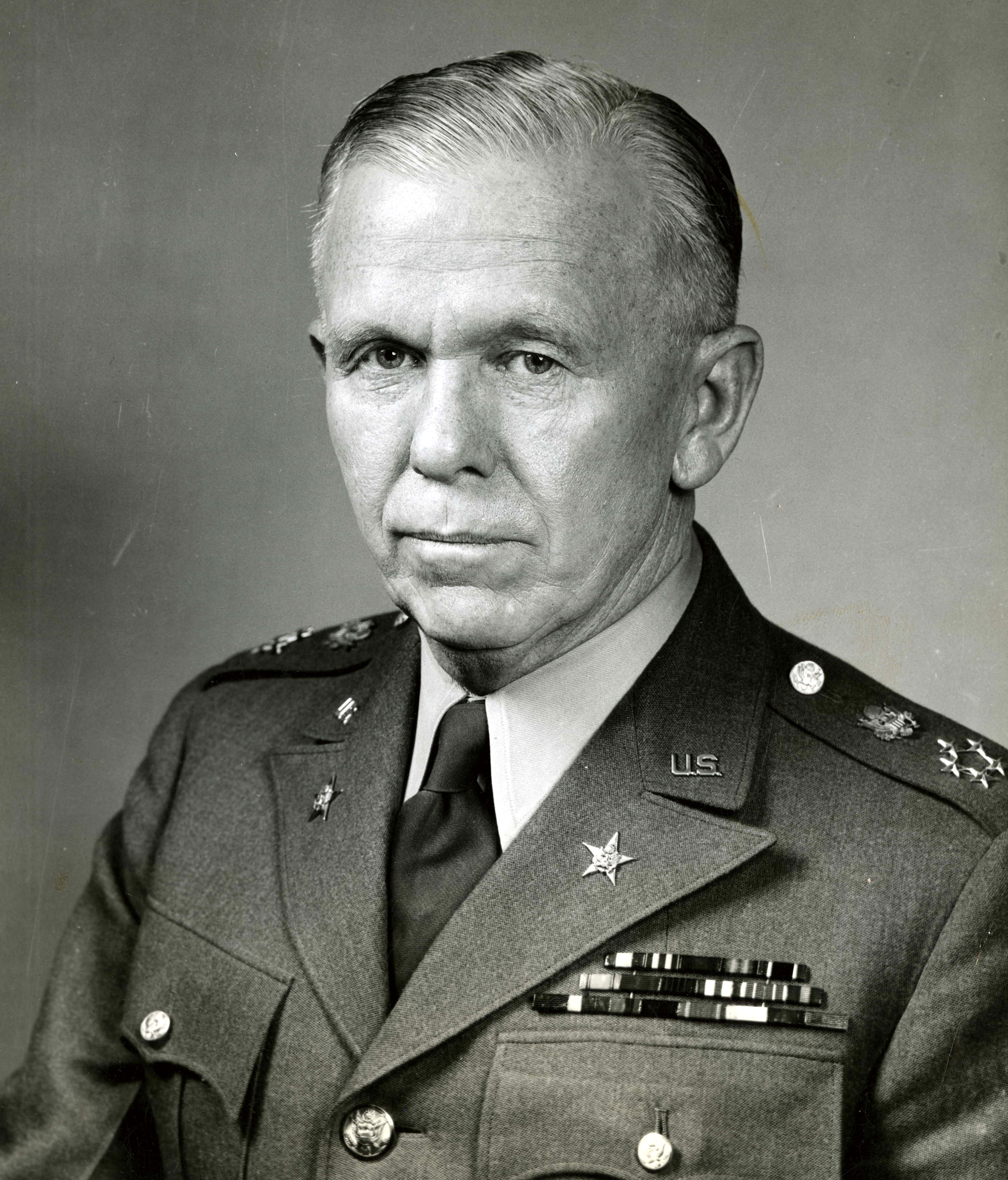
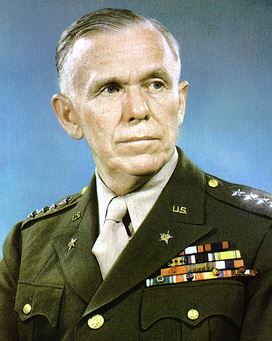
General of the Army hailed by Winston Churchill as the 'organizer of victory' in WWII, who expanded the US Army to 8.5 million men and created the Marshall Plan.
Orchestrated the greatest economic recovery initiative in modern history, preventing European economic collapse and communist subversion.