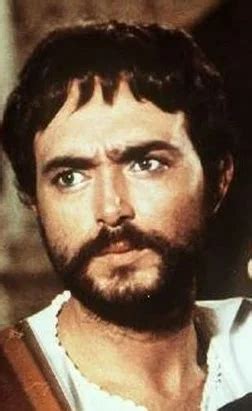
Ghassan Kanafani
Towering Palestinian novelist and cultural icon whose masterworks 'Men in the Sun' and 'Returning to Haifa' gave voice to Palestinian dispossession.
Start typing to search worldwide archives and community tributes
Filterable archive covering centuries of intellectual, artistic, and moral contributions to the human story.
Towering Palestinian novelist and cultural icon whose masterworks 'Men in the Sun' and 'Returning to Haifa' gave voice to Palestinian dispossession.
Second King of Jordan whose short reign (1951-1952) produced Jordan's landmark progressive 1952 Constitution establishing cabinet accountability.
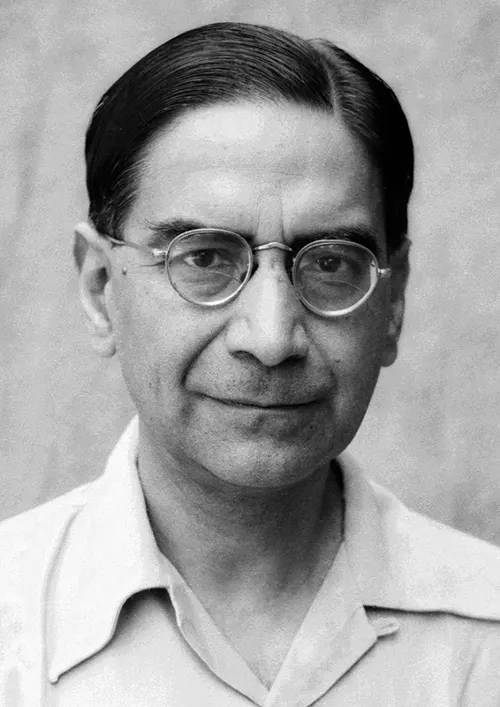
Indian scientist and applied statistician who introduced the Mahalanobis distance metric and founded the Indian Statistical Institute, serving as the architect of India's Second Five-Year Plan.
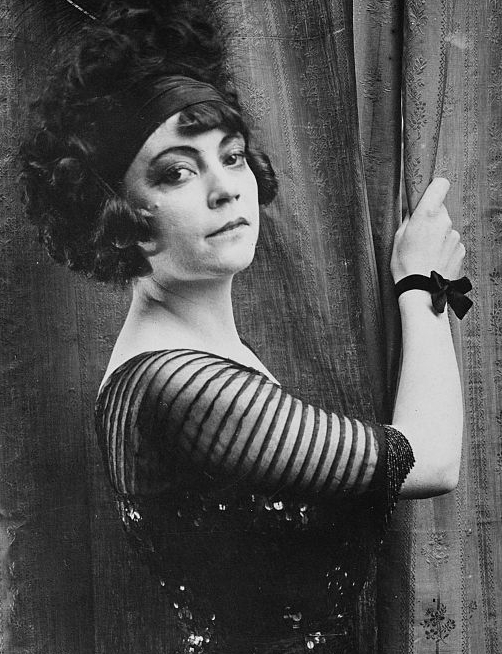
Colossal Danish screen legend known across Europe as 'Die Asta' who became cinema's first international female superstar, revolutionizing screen acting with subtle psychological naturalism.
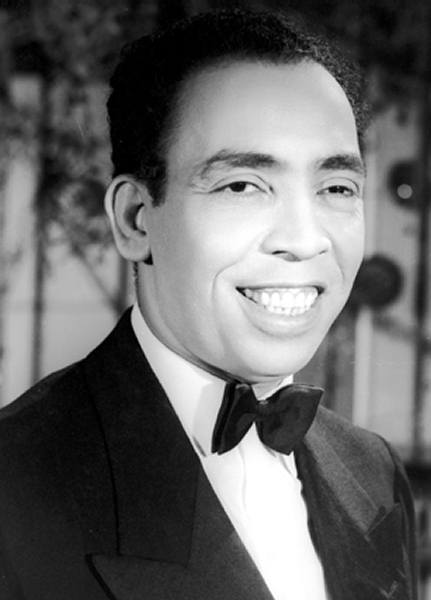
Undisputed monarch of Egyptian slapstick comedy and monologist whose unmistakable wide-mouthed facial expressions, physical humor, and dedicated film series dominated Arab cinema for three decades.
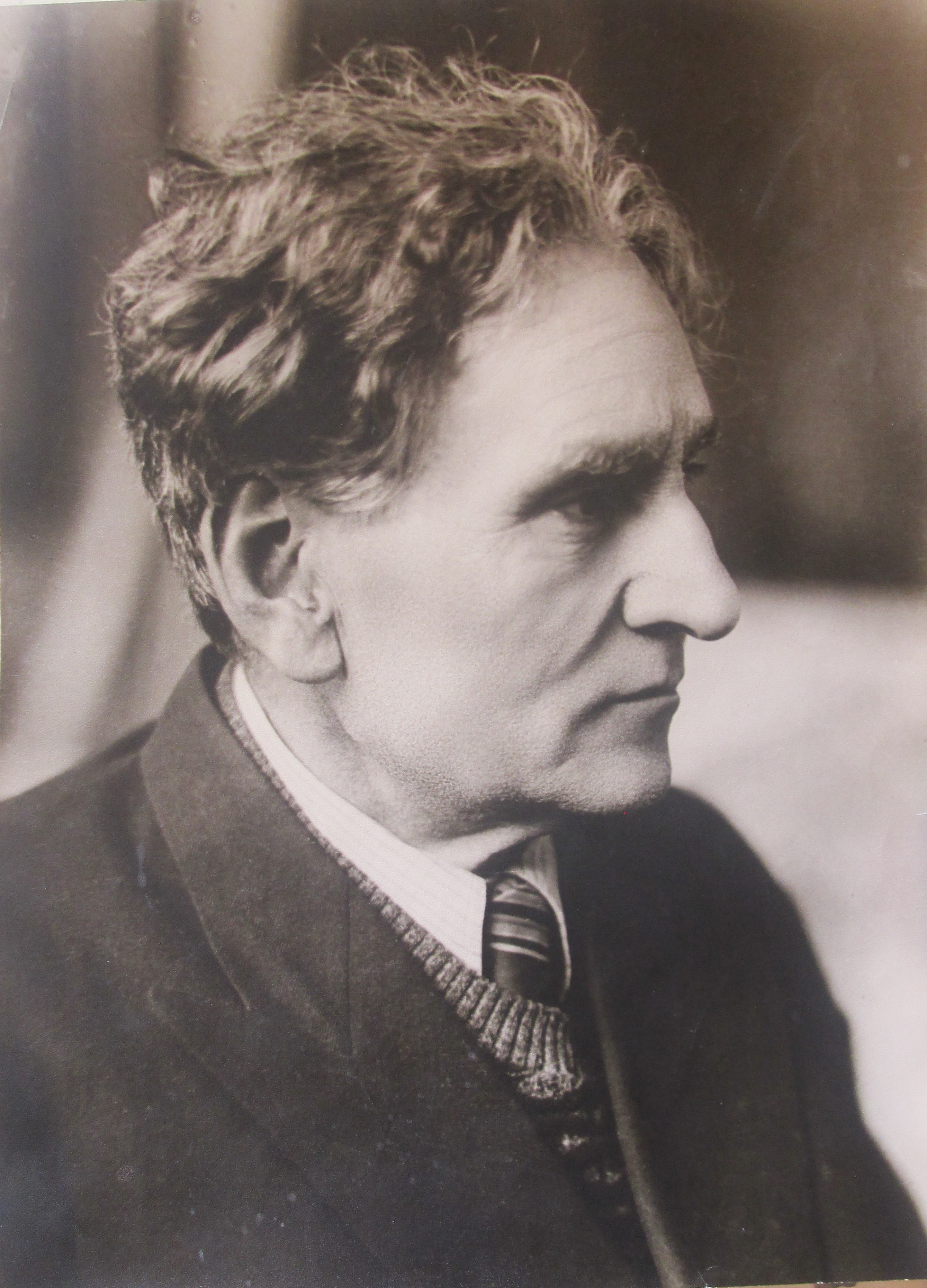
Master colorist and visual pioneer who founded modern Armenian national painting, renowned for his vibrant, luminous landscapes of Mount Ararat and sun-drenched Armenian valleys.
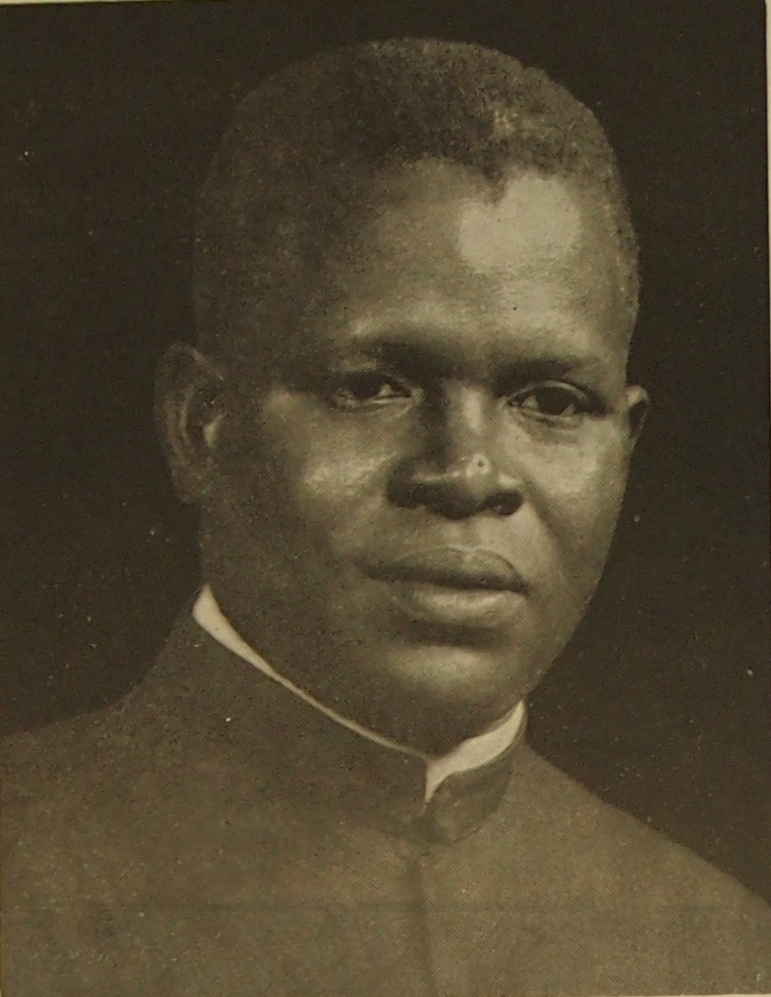
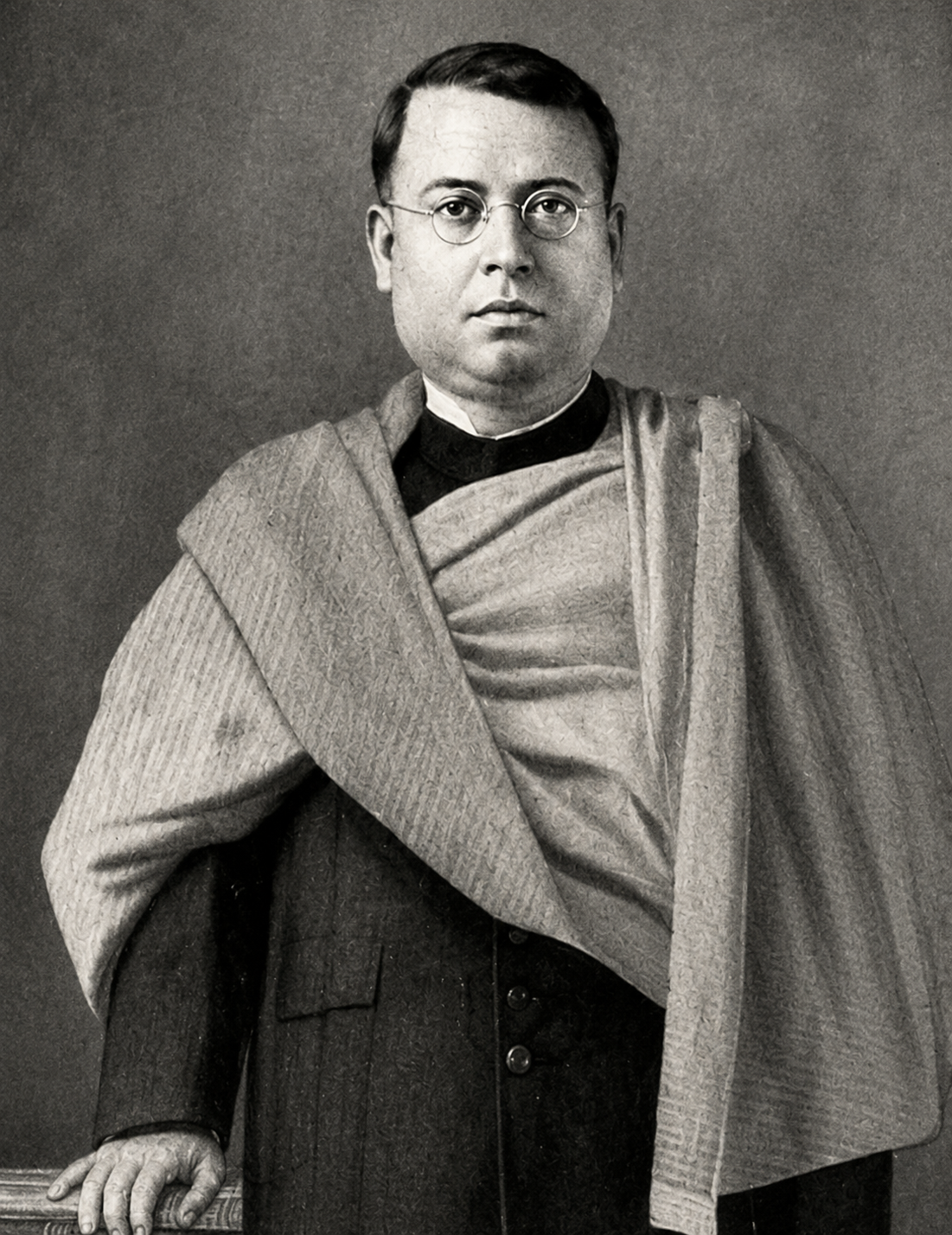
First President of the Republic of the Congo (Brazzaville) known as 'Abbรฉ Youlou', an ordained Roman Catholic priest who wore his soutane cassock in presidential office.
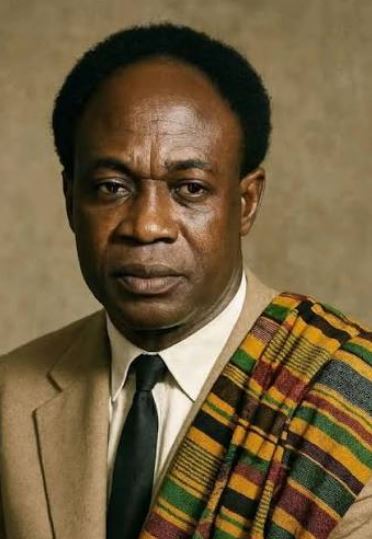
Pioneer of modern Sub-Saharan African independence whose charismatic vision ignited the decolonization wave across the African continent.
Indian painter who renounced Western academic oil painting to create a bold, indigenous modernist style rooted in rural Bengali Kalighat folk patua scrolls and earthen mineral pigments.
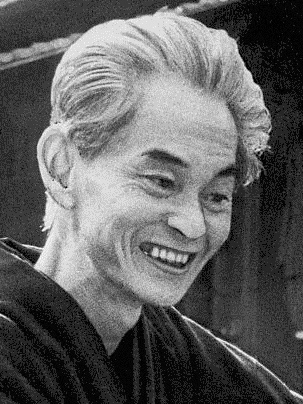
First Japanese writer to win the Nobel Prize in Literature (1968), master of subtle psychological nuance and traditional Japanese aesthetics in Snow Country and Thousand Cranes.
Beloved national master painter of Iceland whose mystical, expressive canvases captured the moss, lichen, and hidden spirits of volcanic lava fields, immortalized on the 2,000-krรณna banknote.
First President of the People's Republic of Zanzibar who led the 1964 Zanzibar Revolution toppling the Arab sultanate, signed the Articles of Union creating Tanzania, and redistributed land.
Principled Saskatchewan premier whose steadfast resolve implemented North America's first universal public medical care insurance in July 1962 despite a 23-day doctors' strike.
Mรฉdecin de santรฉ publique amรฉricain, directeur de la Fondation Rockefeller, qui vaccina des millions d'รชtres humains contre la variole et la peste en Asie.
Legendary Congolese singer and revolutionary troubadour whose immortal song 'Le Bรปcheron' (Aye Afrika) became a global anthem of African liberation.
Paul Grรผninger was a Swiss police commander in the Canton of St. Gallen who saved approximately 3,600 Jewish refugees fleeing Nazi Germany and Austria following the 1938 Anschluss. Defying strict Swiss federal orders to close the border, Grรผninger falsified entry dates and documents to grant refugees legal status, sacrificing his career, pension, and reputation in poverty before posthumous rehabilitation.
Scottish-Canadian cinema pioneer who coined the term "documentary" and drafted the National Film Act of 1939, founding the National Film Board of Canada.
Visionary giant who revolutionized modern Tunisian dramatic arts as director of the Tunis Municipal Troupe from 1958 to 1971, directing immortal adaptations of Hamlet, Oedipus Rex, and Caligula.